The Controversial Role in Lethal Injections
Before my tenure at ProPublica began in 2021, I spent a year investigating Carlo Musso, a Georgia prison physician. His role in lethal injections was rare and openly discussed. Upon his departure, I pursued inquiries about his successor through open records requests. Georgia’s legal framework obscures the identities of those involved with lethal injections, classifying this information as confidential. Many states, including Georgia, keep these details hidden, claiming the secrecy is necessary to shield individuals from harassment by death penalty opponents. Despite obstacles, legal intervention allowed access to some records.
New Insights from Released Records
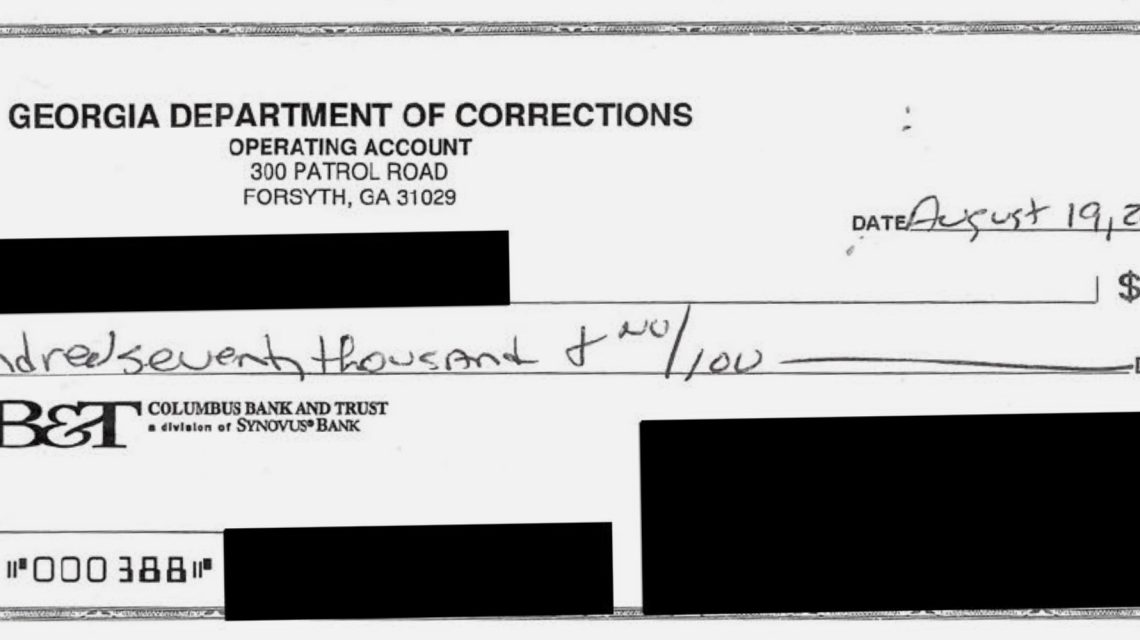
The data uncovered reveals significant insights into Georgia’s lethal injection practices. It indicates payments exceeding $1.1 million to contractors since the COVID-19 pandemic for involvement with the lethal injection procedures. Notably, these expenditures coincide with a solitary execution during this period. The records highlight a marked rise in Georgia’s spending on lethal injection processes, averaging over $150,000 annually over the past decade. This financial commitment far surpasses previous agreements prior to 2017.
Secrecy and Rising Costs
Legal experts argue that increased costs mirror the complexities correctional officials encounter when hiring assistance for lethal injections, which can result in severe pain for inmates. Deborah Denno, a law professor specializing in capital punishment, articulated that substantial payments reflect the problematic nature of the process.
Even with records in hand, Georgia Department of Corrections officials refrained from commenting on cost increments or secrecy. The state attorney general’s office, representing the department in litigation, similarly declined to provide statements. Previously, officials argued that anonymity of contractors is essential to prevent targeted harassment.
Implications of Secrecy Laws
Georgia’s lethal injection secrecy became prominent after substituting the electric chair with injections in the early 2000s. Activists pressured pharmaceutical companies to cease supplying drugs for executions, leading to a shortage. The state’s reaction involved procuring execution drugs from questionable sources, including an overseas wholesaler. However, these efforts faced setbacks when authorities confiscated supplies in 2011.
The state sought alternative solutions from compounding pharmacies, capable of custom drugs. Although practical, these pharmacies face minimal regulation and heightened risks of producing ineffective drugs. Legal and medical experts warned about potential unpredictable reactions stemming from compounding pharmacy drugs used in executions.
Legal and Fiscal Challenges
An absence of transparency in Georgia’s process generated legal battles. I pursued legal action for access to redacted documents via the Georgia Open Records Act. The state resisted, and its attorney general argued public interest would not benefit from disclosure. Eventually, released records highlighted the state’s protection measures for contractors and possible financial policy violations. Despite requests for comprehensive purchasing records, the department only furnished rudimentary documentation maintaining contractor anonymity.
Georgia’s practices are paralleled by other states incurring substantial expenditures for confidential contractors in lethal injections. High costs reflect mounting challenges, with entities like the American Civil Liberties Union discovering extensive federal spending on execution operations.