A school district in Georgia has removed Toni Morrison’s novel The Bluest Eye from its public school libraries. This decision follows concerns about its graphic depictions of child rape and incest. The Bluest Eye joins over 30 other books that Cobb County, Georgia’s second-largest school district, has removed since 2023 as part of efforts to eliminate sexually explicit material in K-12 media centers.
District’s Rationale
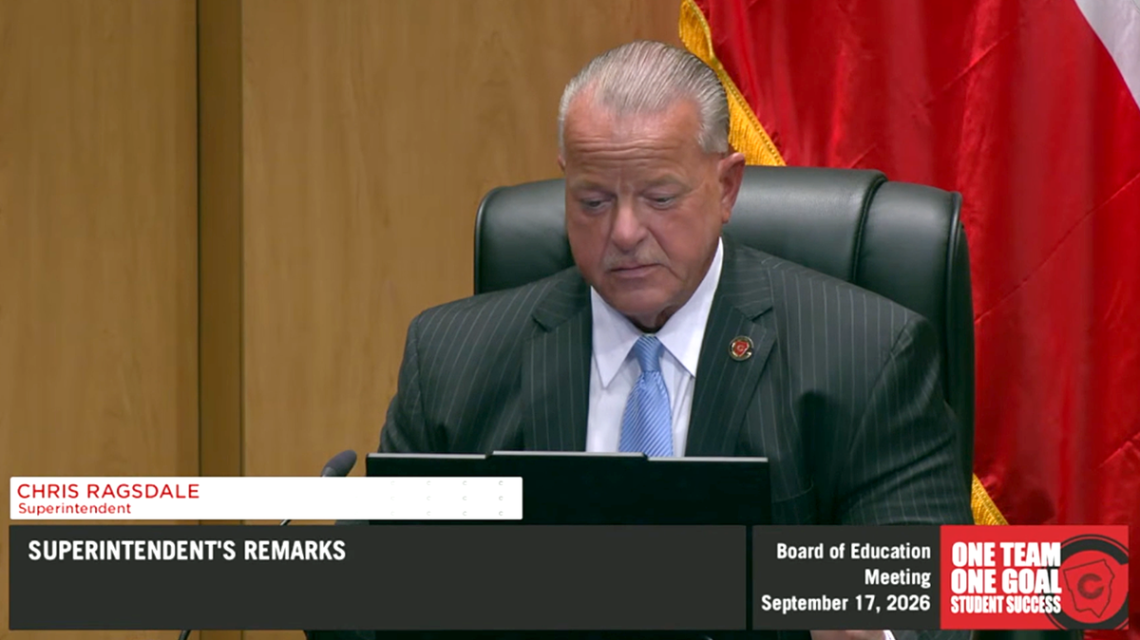
District leaders state that the removal aims to protect students and give parents control over what material their children access. Free-speech advocates, however, view this as censorship that restricts students’ literature access. Superintendent Chris Ragsdale explained the district’s approach: “We’re no more banning the book than we are banning rated-R movies. We are allowing parents to decide what their families should read.”
During a school board meeting, Ragsdale cited specific excerpts of the book that deal with sexual topics. He expressed concerns about students encountering content such as child incest and rape without parental awareness. He emphasized the district’s responsibility for the instruction of 100,000 students.
Additional Titles Affected
The district’s list of removed books also includes “A Court of Thorns and Roses” series, The Perks of Being a Wallflower, Me, Earl, and the Dying Girl, and Thirteen Reasons Why. The latter became a Netflix series focusing on a high school girl’s suicide.
Officials indicate that other works by Toni Morrison remain available in Cobb County schools. The review process for books involves the removal of those with sexually explicit passages.
Reviews and Responses
Ragsdale noted that award-winning status doesn’t automatically grant a book a place in school libraries. He stated that books with explicit material undergo a unique administrative review, differing from the standard procedure for parental challenges.
The superintendent countered claims of censorship: “Not a single classroom will show a rated-R movie during class. Similarly, books with explicit material should be a parental decision.”
Parental Support and Criticism
The parental advocacy group Moms for Liberty supported the decision, emphasizing that schools have the authority to decide which books to offer. Tina Descovich, the group’s CEO, remarked: “Schools don’t need to stock every book and already restrict materials for age-appropriateness.”
PEN America’s Freedom to Read Director, Kasey Meehan, criticized the decision. Meehan argued that removing books limits students’ access to important themes like consent and relationships. Meehan pointed out that decisions affecting book access impact every student, regardless of age or interest, undermining the expertise of educators and librarians.
Broader Implications
Concerns about broader censorship were highlighted by Meehan, who warned of the potential for such decisions to extend beyond one book. Meehan noted: “Censorship can expand to involve many titles, affecting diverse literature access for students.”
Madison Colombo covers breaking news for Fox News Digital, bringing an award-winning background in journalism to her reporting on daily developments.
 Mayor Zohran Mamdani Faces Backlash at Pro-Police Event
  Understanding School Shooting Preparedness Drills
  Preparing for Careers in the AI Age and Evaluating Colleges
  Heavy September Rain Hits Chicago, Causes Disruptions
  Nor’easter Threatens East Coast with Heavy Rain and Winds
  California’s Growing EV Adoption: Challenges and Benefits