
Promises and Cost Projections
President Donald Trump assured Americans that the White House ballroom would not cost taxpayers. Yet, internal contractor estimates reported by The Washington Post suggest taxpayers might foot half of a bill that grew to $600 million by March. Trump indicated that the Secret Service and military might handle security enhancements but didn’t specify their costs.
Timeline of Statements and Developments
June 6, 2025
Trump declared the near completion of inspecting the new ballroom site at the White House, offering it as a personal gift.
July 31, 2025
The White House announced the ballroom project officially, estimating a cost of $200 million. Press Secretary Karoline Leavitt emphasized that Trump and other donors would finance it. Later, Trump insisted no public money would be used.
October 20-23, 2025
The East Wing demolition began unexpectedly, contradicting Trump’s previous promise. Trump then increased the project’s cost estimate to $300 million, asserting it would be privately funded.
November 18, 2025
Trump reiterated no federal funds were utilized, attributing donations to private individuals.
December 16, 2025
He updated the project’s cost to $400 million, promising to cover any funding gaps with private donations.
February 18-26, 2026
Trump continued to promote the project as entirely funded by private donors. However, a lawsuit highlighted concerns over its legitimacy, which Judge Richard Leon dismissed, allowing construction to proceed.
March 31, 2026
Judge Leon ruled Trump needed Congressional approval for the project, halting the work except for its underground section.
April 3-16, 2026
The Justice Department filed an appeal, listing security-related accommodations funded privately. Despite the judge’s reiteration of his halt order, Trump emphasized the project as a non-taxpayer-funded gift.
April 25, 2026
Following a shooting at the White House correspondents’ dinner, Trump linked the incident to the need for the ballroom, claiming it would enhance security.
May 19-28, 2026
Trump presented the construction site and suggested that security aspects might receive Congressional funding. However, the ballroom itself remained positioned as a private gift.
Reports during this period indicated the expectation of taxpayer funding for the majority of the initial construction costs, though Trump continued to downplay this aspect in discussions and interviews.
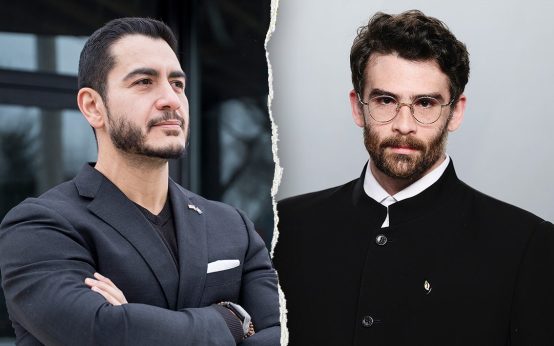 Criticism Arises Over Michigan Senate Nominee’s Association with Streamer
  Homeland Security Takes Action Against Voter Fraud
  Iowa Senate Election: Turek Leads in Polls Amid Economic Concerns
 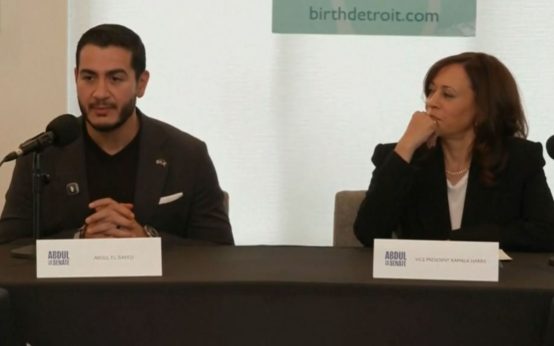 Kamala Harris Joins Abdul El-Sayed in Michigan Senate Campaign
  Public Confidence in the Supreme Court at Record Lows
  Federal Authorities Arrest California Lawmaker’s Aide for Visa Overstay