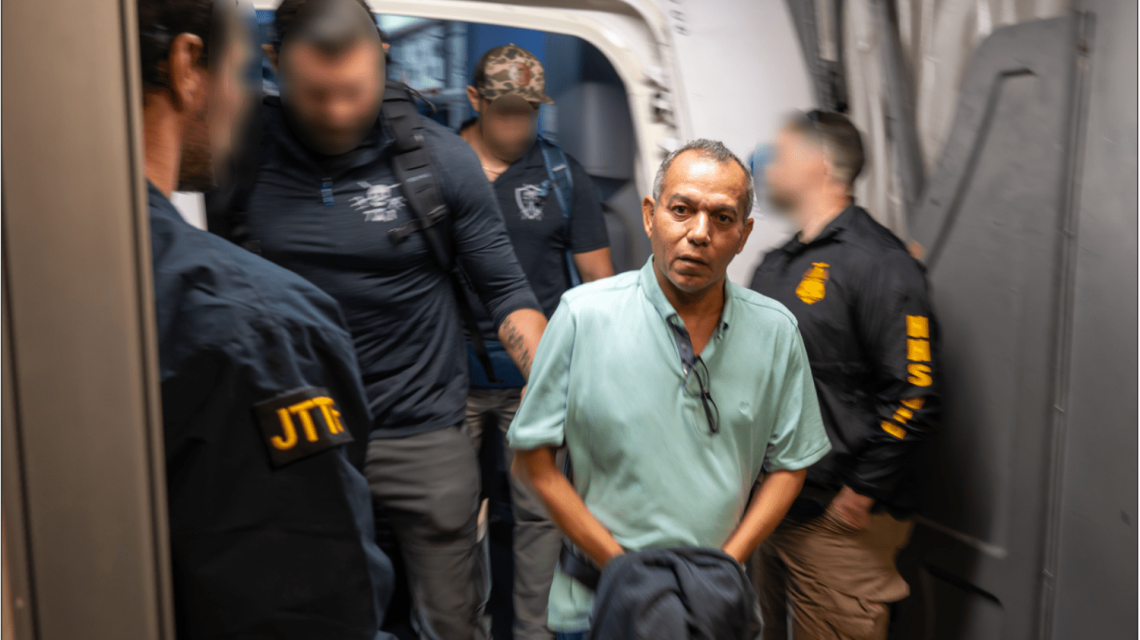
A fugitive accused of masterminding a $547 million Medicare fraud scheme has been captured after over three years evading authorities, according to the Department of Justice. Khalid Satary, 54, was apprehended in the Middle East on July 20. He has been returned to the United States to face charges for what prosecutors have labeled one of the largest healthcare fraud cases prosecuted by the Justice Department.
Federal officials assert that Satary owned and managed diagnostic testing laboratories that charged Medicare for unnecessary genetic tests between 2016 and 2019. Prosecutors allege the operation used telemarketers, patient recruiters, and telemedicine companies to collect test samples from elderly patients, resulting in over half a billion dollars billed to Medicare through this scheme.
What Prosecutors Allege
The indictment and court documents referenced by the Justice Department claim Satary owned several diagnostic testing labs across the United States. These labs allegedly profited from expensive genetic cancer screening tests reimbursed by Medicare. Authorities assert the scheme involved deceptive marketing, telemedicine services, and illegal kickbacks to secure referrals for unnecessary testing, which generated Medicare reimbursements ranging from $10,000 to $20,000 per sample.
The DOJ states that Satary’s connected labs billed Medicare over $547 million during three years, with millions paid in kickbacks and bribes to doctors and patient recruiters. In connection with the case, federal authorities have seized 16 bank accounts and restrained real estate assets linked to the defendant.
Flight From the United States
After his indictment in 2019, Satary was released on bond against the government’s objection, with conditions prohibiting him from working in the healthcare industry. Prosecutors claim he continued fraudulent genetic testing through Houston-area labs while on bond. A federal arrest warrant was issued in December 2022 after Satary violated his release conditions and missed a court hearing. He subsequently fled the United States, remaining overseas for over three years.
The Justice Department reported that regional partners in the Middle East apprehended Satary on July 20. When captured, he allegedly possessed a fake Mexican passport under an assumed name.
DOJ: ‘No Safe Haven for Fraudsters’
Acting Attorney General Todd Blanche announced the arrest, stating the defendant allegedly orchestrated a scheme that targeted elderly patients and cost taxpayers hundreds of millions of dollars. “This defendant allegedly orchestrated a massive fraud scheme that preyed on thousands of elderly patients, deceiving them into undergoing expensive, medically unnecessary tests and fraudulently billing the government for more than half a billion dollars,” Blanche said.
Assistant Attorney General Colin McDonald emphasized that the arrest shows those accused of significant fraud can still be pursued after leaving the country. “As today’s arrest shows, there is no safe haven for fraudsters who seek to exploit vulnerable Americans or our Nation’s critical healthcare programs,” McDonald said.
FBI Touts Success of New Most Wanted Fraudsters List
This arrest represents the latest capture associated with the FBI’s new Most Wanted Fraudsters initiative, launched June 4. FBI Director Kash Patel noted that Satary’s capture was the third from the list in about five weeks. “Continuing the historic run of success for this new initiative,” Patel stated. This effort is part of a broader initiative to target suspects accused of defrauding government benefit programs and U.S. taxpayers.
Charges and Potential Sentence
Satary faces charges of conspiracy to commit healthcare fraud and wire fraud, healthcare fraud, conspiracy to defraud the United States, and conspiracy to pay and receive illegal healthcare kickbacks and bribes. He made his initial court appearance on Tuesday upon his return to the U.S.
If convicted, Satary could face up to 20 years in prison for the conspiracy to commit wire fraud and money laundering charges, up to 10 years for the healthcare fraud-related charges, and up to five years for the conspiracy to defraud the United States charge.