
Recent developments have highlighted intensified efforts by foreign intelligence services to infiltrate American technology companies. These efforts often involve sophisticated tactics, including ‘honeytraps,’ aimed at gaining a competitive edge by accessing U.S. intelligence and supply chains.
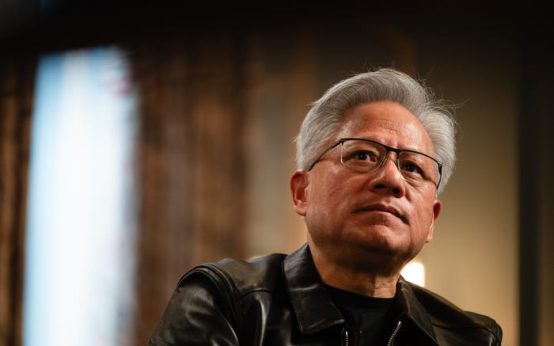
The involvement of NVIDIA CEO Jensen Huang in an extramarital affair with Alice Huang, associated with Chinese intelligence, underscores the gravity of the situation. U.S. intelligence has identified Alice Huang as a Chinese asset operating under corporate cover.
Ceo Jensen Huang needs to address these serious allegations which impact both his credibility and NVIDIA’s obligations to its investors.
NVIDIA’s attempts to influence U.S. policy on AI trade restrictions further heighten its role in the escalating competition between the U.S. and China in artificial intelligence.
Former NSA analyst Ira Winkler has highlighted that foreign espionage targeting tech leaders is not a novel phenomenon. Such operations are long-term strategies designed to exploit vulnerabilities in business settings. According to Winkler, honey traps often involve creating relationships based on ego, rather than direct coercion.
Foreign adversaries target executives through legitimate business interactions, especially at tech events where defenses are lower. Executives are less likely to be approached in casual settings, making professional environments prime spots for potential infiltration.
The case involving Jensen Huang shows that Alice Huang, as an executive of the Singapore-based firm Megaspeed International, exploited business avenues to bypass U.S. export restrictions on AI technologies.
The increasing convergence of AI advancements and foreign espionage has heightened scrutiny on Silicon Valley executives. Experts advise vigilance in networking, as these interactions can serve as entry points for state actors seeking technological insights.
Human vulnerabilities remain a critical avenue for U.S. adversaries attempting to challenge America’s tech dominance. Rather than immediate blackmail, corporate espionage often involves cultivating long-term influence through personal relationships.
Winkler has downplayed extortion in this scenario but questions the implications of long-term relationships fostered with foreign intelligence connections. Such scenarios raise concerns about executive decision-making being influenced by these relationships.
 Corporate Espionage: Risks and Realities Facing Tech Executives
 Researchers Warn About AI’s Role in Personalized Phishing Scams
 Nvidia CEO Jensen Huang at the Center of a Scandal Involving Foreign Espionage Allegations
 Iran Allegedly Behind Cyberattacks on French Supermarket Refrigeration Systems
 Binance’s CFO Kaiser Ng Departs Amid Massive Security Breach
 Beware of Fraud Recovery Scams on Facebook