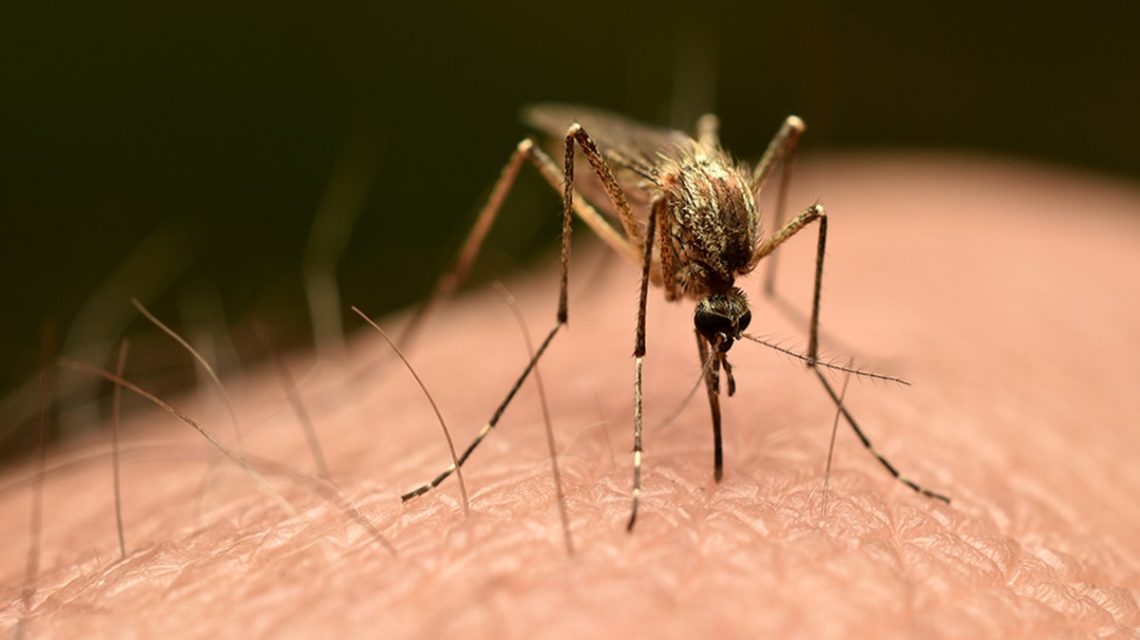
Florida’s mosquito-control agencies are ramping up activities like surveillance, inspections, and spraying. This comes as officials predict a rise in locally acquired dengue fever cases in Tampa Bay and statewide.
As of September 1, Florida reported 33 dengue cases in Tampa Bay and 41 across the state. Projections indicate further increases, according to Fox 13 Tampa Bay.
Locally acquired cases occur when people contract the illness in their home area, not while traveling abroad.
The Florida Mosquito Control Association (FMCA) identified 30 confirmed cases in Hillsborough County, seven in Miami-Dade, three in Pinellas, and one in Palm Beach.
Hillsborough and Pinellas counties are under mosquito-borne illness alerts issued by the Florida Department of Health.
Dengue is a viral illness spread by mosquitoes, causing fever, severe aches, nausea, rash, and rarely, life-threatening complications, per the Centers for Disease Control and Prevention (CDC).
The virus is common in tropical and subtropical areas, including Southeast Asia, the Western Pacific, Latin America, and Africa. In the continental U.S., locally acquired cases have occurred in Florida, California, and Texas.
Hawaii has seen previous outbreaks, and the virus is widespread in U.S. territories like Puerto Rico, the U.S. Virgin Islands, and American Samoa.
In May, the CDC reported 2024 as a record year for dengue cases in the U.S., with 3,798 cases, marking a 359% increase over the annual average from 2010 to 2023. Approximately 97% were travel-related, and 3% were locally acquired.
Florida topped the list with 1,044 dengue cases, or over a quarter of the U.S. total. Florida recorded 85 locally acquired cases across 10 counties, compared to California’s 18 and Texas’s two cases.
“Dengue does not stop at county lines,” Pinellas County Mosquito Control Director Alissa Berro told Fox 13. “The mosquitoes that transmit the virus generally stay within a small area, but people travel throughout the Tampa Bay area every day.”
Stopping the spread involves increased aerial and ground mosquito control efforts in active dengue zones, along with private property inspections for potential breeding sites.
FMCA advises residents to remove or cover standing water around homes. The mosquito that spreads dengue is a container breeder, meaning it lays eggs in places like buckets, planters, and other objects holding water.
The FMCA recommends the “three Ds” for protection: dress in long sleeves, light colors, and closed-toed shoes outdoors; defend with repellent containing DEET, picaridin, IR3535, or oil of lemon eucalyptus; dump standing water around the home.
Many infected people show no symptoms, and most recover in a week or two. However, dengue can escalate to a severe, life-threatening condition.
Warning signs of severe dengue can develop quickly after fever subsides. Symptoms may include severe stomach pain, repeated vomiting, unusual bleeding, difficulty breathing, extreme tiredness, and irritability. Immediate medical care is crucial for those experiencing such warning signs.
Teresa Mull is part of the Lifestyle team at Fox News Digital.
 Lymphatic Drainage and Ice Sculpting: Emerging Wellness Trends
  The Rising Trend of GLP-1 Medications Among College Students
  The Challenges and Opportunities of Testosterone Therapy for Menopausal Women
  Concerns Rise Over NIPSCO Permit In Jasper County
  Long-Term Health Impacts of 9/11 and the Continuing Response
  Mental Health Challenges for Women with Type 2 Diabetes