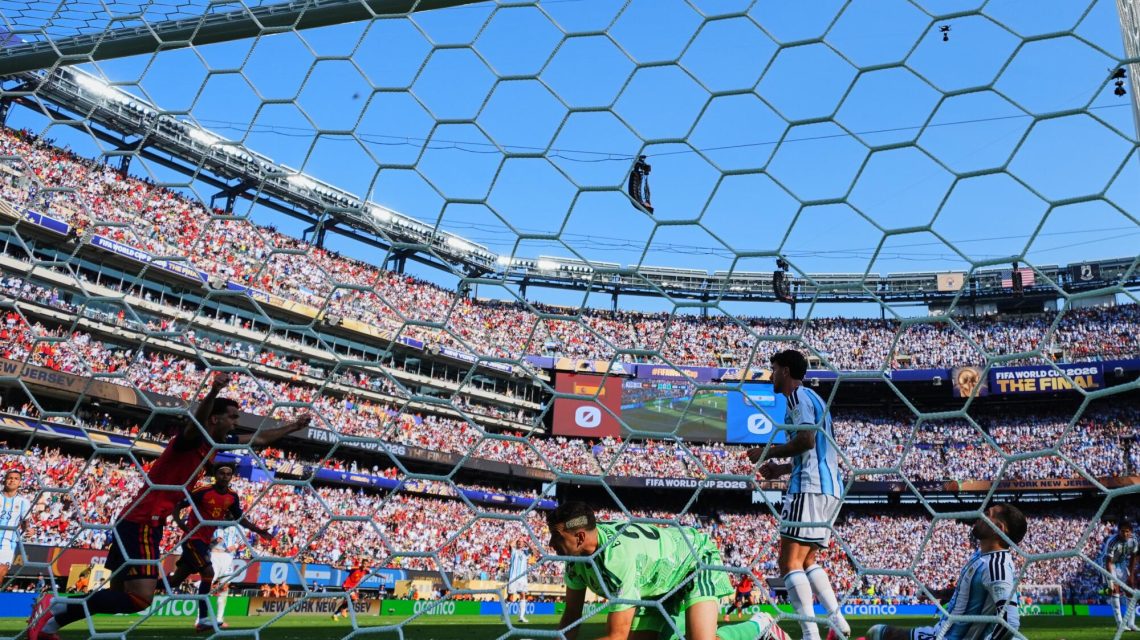
The FIFA World Cup 2023 culminated in East Rutherford, N.J., with Spain emerging victorious over Argentina in a tense match that ended 1-0 in extra time. FIFA’s president, Gianni Infantino, expressed his admiration for the tournament, emphasizing its unprecedented scale and impact during a reception at Trump Tower before the final match.
Infantino declared, “By all means this World Cup has exceeded all expectations. This has not just been the greatest FIFA World Cup of all time. It is the greatest human social and cultural event that mankind has ever witnessed.”
The tournament’s success is not only a testament to global sportsmanship but also FIFA’s organizational capabilities. Attendance surpassed 6.8 million, with an average of over 65,000 fans per game. In addition, the cumulative TV audience exceeded 5 billion globally, contributing to Spain’s win over Argentina becoming the most-watched sporting event in history.
Revenue over the World Cup’s cycle is anticipated to reach $13 billion, further bolstering Infantino’s position ahead of FIFA’s presidential election next year.
Prices for tickets to the final soared, with one ticket selling at $32,502, making it one of the most expensive sporting events in U.S. history.
Memorable Matches and Surprises
Inglewood’s SoFi Stadium hosted several games, including key group-stage matches for the U.S. team. The logistics of hosting the tournament across three countries — the U.S., Mexico, and Canada — proved manageable, with minor disruptions due to weather.
The World Cup saw several unexpected performances, including Cape Verde drawing with Spain and Norway reaching the quarterfinals behind star striker Erling Haaland. Canada and Egypt both achieved their first wins in World Cup history, with Egypt further advancing alongside other African teams in the knockout rounds.
Argentina’s Lionel Messi demonstrated his prowess and achieved new records, despite losing out on the Golden Ball award in the final.
Controversies and Political Ramifications
This World Cup was notably political, with tensions evident between host country U.S. and Iran. Visa issues forced Iran to relocate its base camp to Tijuana and affected their mobility during the tournament.
The tournament also showcased technological controversies with the use of VAR affecting critical matches like those involving Iran and Egypt. Critiques arose regarding the system’s removal of traditional judgment from refereeing decisions.
An unusual incident involved President Trump intervening to overturn a suspension issued to U.S. player Folarin Balogun, affecting the dynamic in subsequent matches.
Perceptions and Future Implications
FIFA’s organizational impact and political maneuvering during the tournament offer insight into possible future scenarios. Speculations arise that Morocco could emulate similar exclusions in the upcoming World Cup due to geopolitical issues.
Despite these complexities, Infantino retains significant support from FIFA’s member associations, securing his bid for reelection.
The World Cup demonstrated that, alongside sports achievements, political and technological elements can deeply impact its execution and global perception.
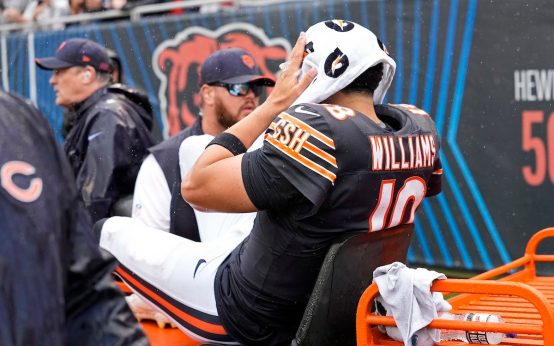 Chicago Bears Struggle After Caleb Williams’ Injury
  Jayden Daniels Suffers Elbow Injury; Marcus Mariota Set to Start
  The Cost of Challenging Beijing
  Significant Events in Chicago History on September 21
 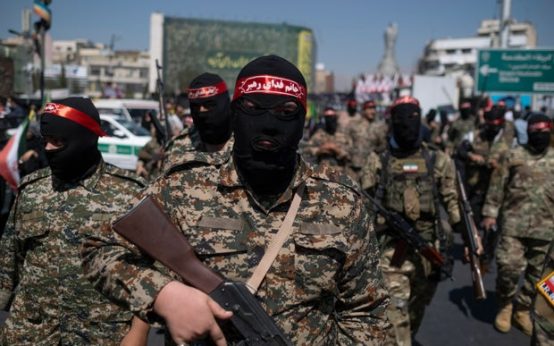 Tensions Escalate in Iran Conflict as Global Leaders Weigh Options
  Patriots Rookie Gabe Jacas Shines Against Aaron Rodgers