
A federal judge has decided not to block President Donald Trump’s executive order that aims to create a federal voter list and restrict mail voting. This move opens the door for possible changes in the administration of American elections, occurring just before the upcoming midterm elections.
U.S. District Judge Carl Nichols, appointed by Trump in Washington, ruled late Wednesday against a request by Democrats and civil rights groups. The groups argued that Trump’s order would probably be deemed unconstitutional, asserting that setting election rules is a power held by the states and Congress, not the president. Nichols agreed with the Trump administration’s stance, stating it was too early to obstruct the order since it has not yet been implemented.
The Court recognizes that the Postal Service may ultimately issue a final rule impacting Plaintiffs or their members, or that the Government may develop State Citizenship Lists that omit individuals due to specific flaws, Nichols wrote. Plaintiffs may renew their motions if and when those future actions occur. Until then, however, Plaintiffs cannot show that preliminary injunctive relief is warranted.
This legal dispute moves next to Boston, where voting rights groups have a separate lawsuit attempting to temporarily block the executive order in federal court. The Trump administration has not yet formally released lists of eligible voters. Those who initially sought a temporary halt remain prepared to act if the administration proceeds in that direction.
Juan Proaño, chief executive officer of the League of United Latin American Citizens, one of the organizations requesting the stay from Nichols, stated, We are ready to resume the fight if and when the administration takes those next steps.
Trump issued the order in March after a voting overhaul bill he supported was stalled in Congress. The order directed the federal government to create a list of eligible voters and instructed the U.S. Postal Service to deliver mail ballots only to those on the list. Election officials expressed concern that this action could prompt abuse and lead to chaos.
Following his 2020 election loss to Democrat Joe Biden, Trump has unfoundedly claimed that mail voting is fraught with fraud. He initiated a federal investigation into the 2020 vote, despite repeated audits and inquiries, including those run by Republicans, confirming that there was no widespread fraud. Trump has also voiced desires to control election administration in Democratic areas.
The Democrats and civil rights groups stressed the urgency of Nichols issuing a restraining order amid primary season, as states prepare for the fall midterm elections.
This executive order marks Trump’s second attempt to overhaul elections and voting. An earlier order from his second term, which sought to require proof of citizenship for voter registration, among other changes, was blocked by multiple federal judges.
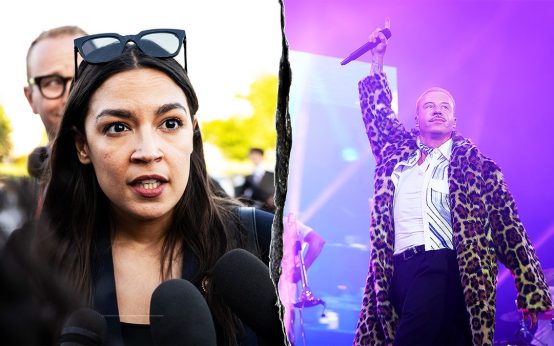 Rep. Alexandria Ocasio-Cortez Defends Macklemore Amid Tour Controversy
  Influence Concerns Surround California Political Donors
 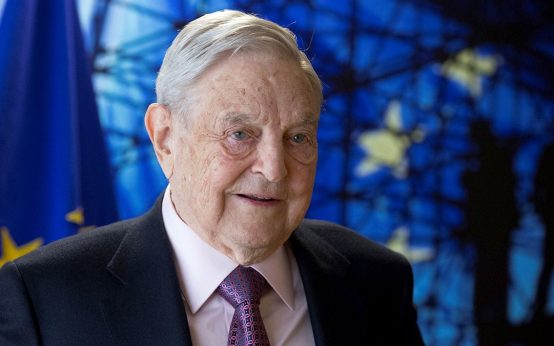 Michigan Senate Race Sees Influences from Soros-Linked Funding
 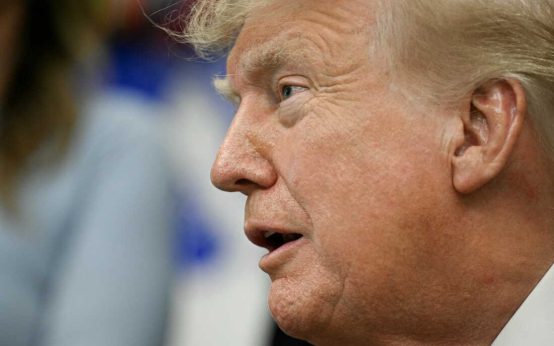 Trump Seeks Diplomatic Success at the U.N. Amid Challenges
 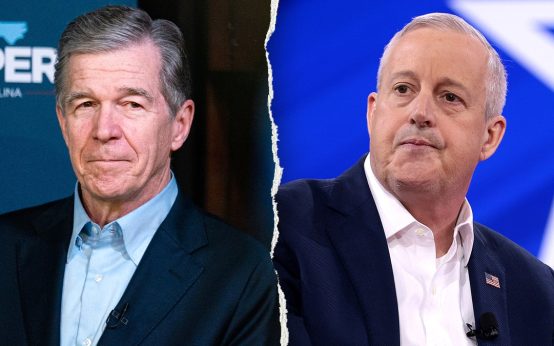 North Carolina Senate Race Influenced by Abortion Policy Messaging
  Trump Pressures Republicans on Filibuster Threat