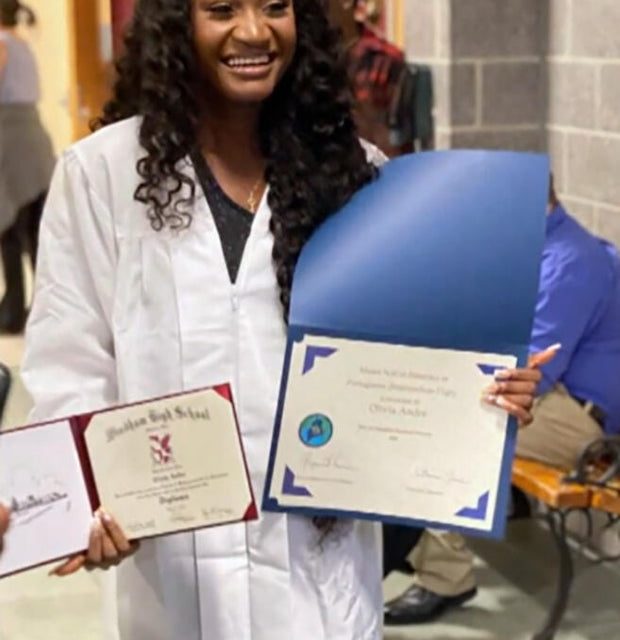
Joel Andre, a 17-year-old soccer enthusiast, immigrated from the Democratic Republic of Congo, now residing near Portland, Maine. Joel and his sister Estafania shift their focus from schoolwork to the World Cup, providing a much-needed break for their family. “Every time I’m doing something, I always think about Olivia,” Joel expresses, referring to their 19-year-old sister.
The siblings, along with their mother Carine and Olivia, were detained in November at the South Texas Family Residential Center in Dilley, Texas. Joel describes Dilley as challenging for children, criticizing the quality of food and water. Released in March, Joel, Estafania, and Carine left Olivia behind due to her age. The family hopes for a future reunion.
Fleeing Congo, Carine, an activist, sought asylum after facing threats. Elora Mukherjee, director of the Immigrants Rights Clinic at Columbia University, explains that Carine and her children risked their lives had they stayed in Congo. Vetted upon arrival in 2022, they awaited their asylum hearing after being deemed non-threatening, complying with immigration requirements. Despite this, a judge ordered their deportation in February 2025.
Attempting entry into Canada, they were sent back to the U.S. and detained again in Dilley. Mukherjee, who has visited Dilley, shares reports of inadequate drinking water and poor living conditions from detainees. Sworn testimonies support these claims, intensified by experiences of over 6,300 children detained under President Trump’s second term.
Congressman Joaquin Castro criticizes the detention of children with no criminal records, proposing the closure of Dilley. He argues the conditions are intended to deter asylum seekers. Originally opened in 2014 during President Obama’s term, Dilley was closed by President Biden but reopened by President Trump in 2025 under CoreCivic, a for-profit company.
Joel and his family’s detention for nearly four months violates the Flores Settlement, limiting child detention to 20 days. While the White House challenges the Flores Settlement in court, Mukherjee believes awareness could prompt action against reported abuses in Dilley.
Joel’s family received news of Olivia’s release after more than five months detained, culminating in an emotional reunion. However, Castro emphasizes their rare outcome amidst prevalent injustice.
“To understand what’s happening at Dilley, we must see beyond the walls,” says Castro, advocating for transparency.
The Department of Homeland Security disputes reports of poor conditions at Dilley, citing compliance with federal standards. CoreCivic similarly denies allegations, asserting adequate care and diet for detainees. Despite criticisms, they maintain adherence to regulations since Obama-era policies enacting family detention centers under federal authority.