
AquaBounty Technologies, a biotech firm, declared its intentions to cultivate genetically engineered Atlantic salmon in Ohio, attracting incentives from enthusiastic local and state officials. However, the company soon halted construction and began auctioning off ‘new’ and ‘unused’ equipment. Now, JobsOhio, the state’s private economic development organization, seeks the return of $1 million from AquaBounty. This request was made according to a filing with the Securities and Exchange Commission.
As of the end of September, AquaBounty reported it had dwindled to only three employees and $122,255 in available cash. The company had promoted a vision where its salmon would grow in indoor freshwater farms, potentially contributing to global food supply. Unveiled in 2021, the Ohio site was intended as its inaugural large-scale production facility. With promises of creating 112 jobs and boosting local resources, it was heralded as a major investment in rural Williams County. Yet, AquaBounty, which hadn’t recorded profits during its 30 years in operation, encountered regulatory hurdles and environmentalist opposition.
Locals, including those from Williams County Alliance, expressed skepticism about the venture. Pioneer Mayor Ed Kidston faced scrutiny for his involvement, having purchased and subsequently sold the desired land to AquaBounty at a significant markup. Despite being untested, AquaBounty received funding from local and state support, with the $1 million grant from JobsOhio arriving in August 2021, shortly after the plan’s announcement. Sherry Fleming from the Williams County Alliance questioned the state’s eagerness to support this industry, highlighting AquaBounty’s lack of production experience despite its genetic engineering capabilities.
“Why the state was so eager to promote this industry is really puzzling,” said Sherry Fleming of the Williams County Alliance.
ProPublica reported that AquaBounty’s interaction with JobsOhio remains under discussion concerning the repayment demand. Their filing acknowledged that “there can be no assurance that JobsOhio will agree to any payment schedule or other accommodation.” Legal actions could escalate costs and divert management’s focus.
JobsOhio, operating independently but funded by the state, stipulates criteria for specialized grants including job creation, payroll, and fixed-asset investments. AquaBounty’s grant came with expectations of $222 million in capital investment and a payroll exceeding $5.4 million by 2026, maintaining commitments until 2028. Yet, within two years, construction had ceased, and equipment was sold off in 2024 and 2025. Remaining assets included the unsold equipment, land, and unfinished building in Pioneer.
Matt Englehart, a JobsOhio spokesperson, emphasized transparency in their operations while acknowledging limited disclosures have sparked criticism in Ohio. According to him, when firms fail to meet metric commitments, JobsOhio collaborates with them to help clear hurdles. If all approaches fail, they may “claw back” funds for future projects benefiting Ohioans.
Englehart refrained from commenting on potential litigation, but stressed that when agreements like AquaBounty’s are breached, JobsOhio may refer the issue to collections. This response aligns with keeping funds accessible for future economic investments. Kristan Wong Karinen, from Good Jobs First, pointed out that clawbacks like this are uncommon, with renegotiation being a more typical response. However, in AquaBounty’s situation, with no requirements met, JobsOhio likely feels compelled to take back the funding.
 Understanding Tax-Advantaged Retirement Accounts and Retirement Distribution Rules
 Assessing Risks in Technology Infrastructure
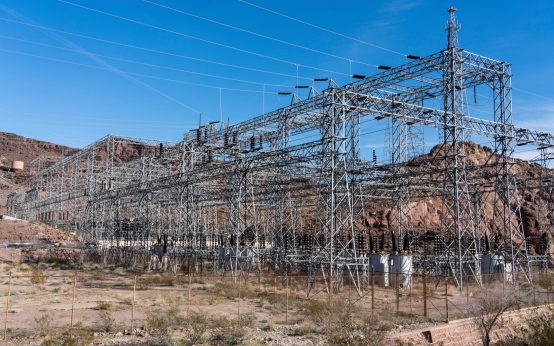 Challenges Loom for America’s Power Grid: Analyzing the Equipment Shortfall Crisis
 Handling Identity Theft: Steps for Recovery
 Amazon Enlists NYC Customers Against City Council Bill
 The Controversy Surrounding Jensen Huang and Nvidia