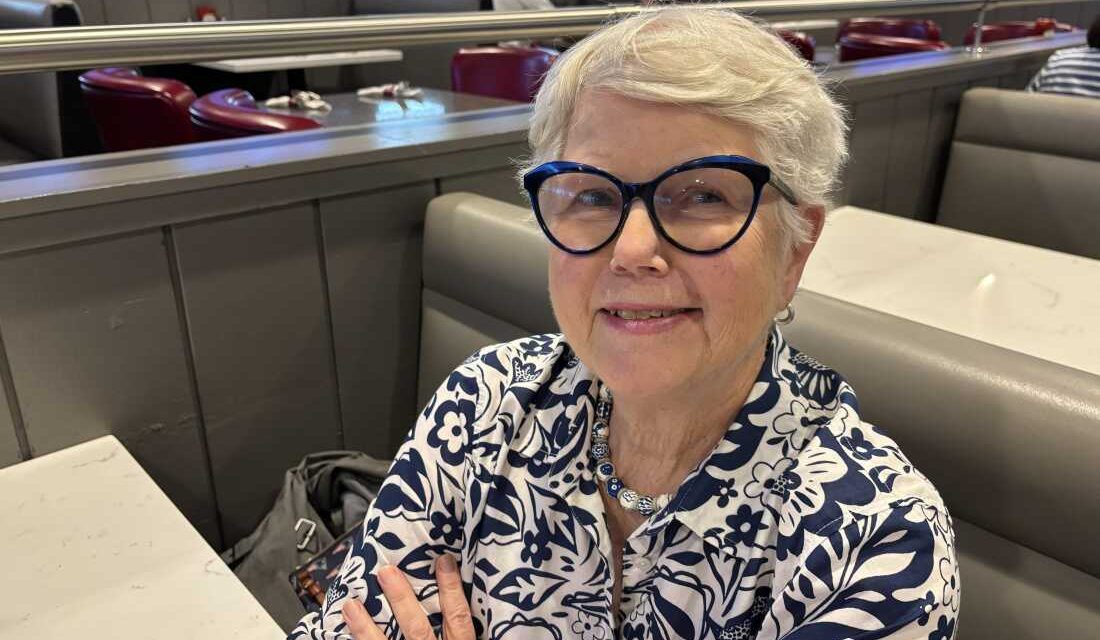
Connie Franciosi, an 80-year-old participant in a recent clinical trial, has seen promising results from an mRNA vaccine paired with the immunotherapy drug Keytruda. Diagnosed with melanoma in 2020, she faced a high risk of recurrence after her tumor’s removal. The trial aimed to investigate the vaccine’s potential in preventing melanoma recurrence.
Dr. Janice Mehnert, a melanoma specialist at NYU Langone Health, provided insights into this unique study. The trial, involving 157 patients from the U.S. and Australia, tested whether mRNA technology, recognized for its role in COVID-19 vaccines, could personalize cancer treatment. Mehnert highlighted the trial’s personalized approach, tailoring the immunotherapy to individual patient tumors. After five years, 68.8% of patients who received the combination therapy stayed cancer-free, compared to 49.1% with Keytruda alone.
The study’s results are encouraging, with a 49% reduction in recurrence risk for patients receiving the combination therapy. Furthermore, 92% of these patients were alive at the five-year mark, compared to 71% who only had Keytruda. Mehnert emphasized the trial’s significance, as predicting melanoma’s return is challenging.
Dr. Sarah Arron, a dermatologist not involved in the research, praised the potential of mRNA vaccines. She noted the difference from the COVID vaccine; each cancer vaccine adapts to the patient’s tumor, enhancing the immunotherapy’s effectiveness.
How the Combination Works
The immune system’s T cells naturally target and destroy threats like cancer. However, cancer cells can hide behind a ‘shield’ that disguises them. Keytruda works by removing this shield, allowing T cells to detect the cancer. The mRNA vaccine then boosts this effect. By identifying unique molecular fingerprints, or neoantigens, from a tumor, scientists create a custom vaccine. Once injected, the vaccine trains T cells to attack the cancer.
Side effects of the treatment were mild, including chills and minor pain. The trial’s results suggest potential for broader mRNA application in other cancers, such as lung cancer.
The Next Steps
Dr. David Berman, Moderna’s chief development officer, highlighted the study’s positive outcomes. The vaccine, developed by Moderna and Merck, shows promise. A Phase 3 trial with nearly 1,000 patients is ongoing, with results expected soon. The goal is to seek FDA approval, marking a potential advance in melanoma treatment.
For Franciosi, the trial has been life-changing. Cancer-free, she recently celebrated her 80th birthday. Her life includes gardening, participating in library activities, and enjoying golf. “I have a very satisfying life,” she says, summing up her experience.
 Artist Speaks Out on Rare Condition Impacting Her Career
  Mindfulness: Manage Stress by Embracing the Present
  Missouri’s Abortion Policy: Conflicting Amendments and Voter Decisions
  The Impact of Extended Job Searches on Mental Health
  Philanthropic Shift Towards Supporting Women in Midlife
  Measles Exposure in Philadelphia Raises Health Concerns