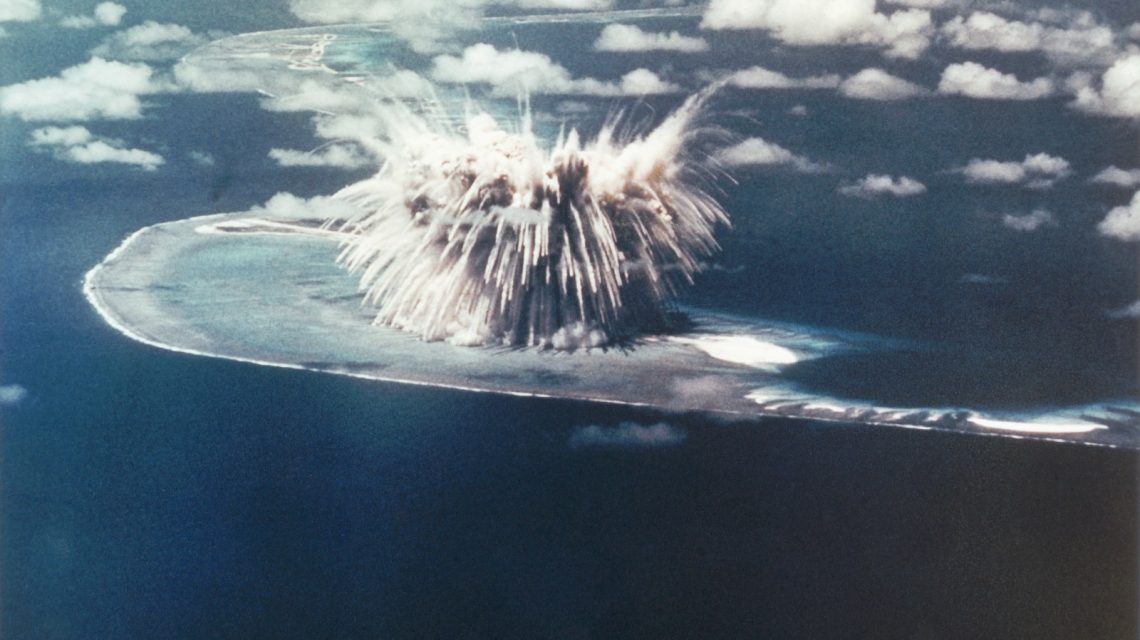
Veterans involved in Cold War-era nuclear cleanup operations may soon qualify for a single federal payment of up to $150,000. This opportunity arises from the Radiation Exposure Reauthorization Act of 2026, a new legislative proposal. If enacted, this act would widen the scope of compensation for Americans exposed to radiation due to the U.S. nuclear weapons program.
Proposed Changes to RECA
The act aims to broaden eligibility under the Radiation Exposure Compensation Act (RECA). It would include veterans who participated in cleanup missions at Enewetak Atoll in the Marshall Islands, Palomares in Spain, and Thule in Greenland. These locations experienced nuclear accidents or weapons testing that left radioactive contamination. Representative James Moylan of Guam sponsors the bill, which seeks to align RECA eligibility with the realities of U.S. atomic weapons testing.
Why This Matters
The affected veterans faced dangerous radiation levels during cleanups but have largely been excluded from federal compensation provided to other atomic veterans. Many have spent years coping with diseases such as cancer, heart issues, and bone disorders, potentially linked to these missions.
If approved, the proposal would also double the maximum RECA payment to $150,000 from the existing $75,000. Drew Powers, founder of Powers Financial Group, emphasized the importance of recognizing these veterans for benefits in light of past oversights.
Highlights of the Legislation
- Veterans from Enewetak Atoll, Palomares, and Thule would qualify for RECA benefits.
- One-time compensation payments would increase to $150,000.
- Additional diseases would be eligible for compensation.
- The compensation filing deadline would extend to December 31, 2042.
Veterans Who Could Qualify
The bill targets those involved in major cleanup operations:
Enewetak Atoll
Between 1948 and 1958, 43 U.S. nuclear tests occurred here, including the first hydrogen bomb detonation. Cleanup missions began in the late 1970s to manage radioactive debris and toxic waste.
Palomares, Spain
After a 1966 hydrogen bomb incident released radioactive materials, service members were deployed to the Spanish town.
Thule, Greenland
Cleanup crews addressed a 1968 crash of a B-52 bomber armed with nuclear weapons.
Previously, the PACT Act recognized veterans from these sites for presumed radiation exposure regarding VA disability claims. Yet, they haven’t been included in RECA compensation coverage. Michael Ryan, founder of MichaelRyanMoney.com, highlighted the bill’s role in simplifying the claim process for atomic veterans.
Potential Impact on Eligible Veterans
The estimated number of eligible veterans is small. According to Keith Keifer, national commander of the National Association of Atomic Veterans, under 6,000 veterans served at these three cleanup sites. Only a few hundred are believed to be alive today.
Kevin Thompson, CEO of 9i Capital Group, believes the bill might face obstacles due to the contentious legislative environment amid ongoing debates over other veterans’ benefits like the Take Care of America’s Veterans Act.
Next Steps
Moylan’s office anticipates introducing the bill in Congress soon. Sponsors aim to build bipartisan support. If passed, it will extend the RECA program, which has compensated over 41,000 claimants with $2.6 billion since inception.
Despite the potential benefits, as Powers noted, passing the legislation will be challenging, given the intense debate over funding for veterans’ benefits.
 The Cost of Challenging Beijing
  Analyzing Midterm Elections and Party Dynamics
  Allan Lichtman’s Framework for Assessing Presidential Greatness
  Florida Senate Race Tightens as Recent Polls Show Dead Heat
  Ethics Complaint Targets Colorado Representative Lauren Boebert
  Ken Paxton’s Campaign Funding and Polls