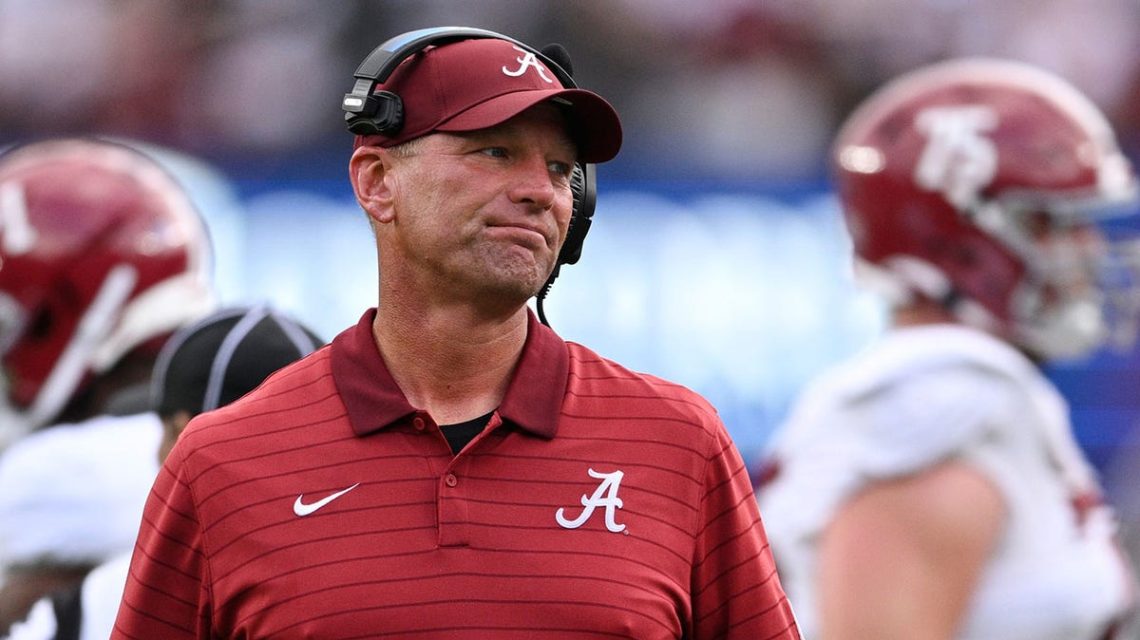
ESPN’s relationship with the Southeastern Conference (SEC) raises questions about network bias in college football. Since becoming the primary broadcaster for the SEC, ESPN has been accused of favoring the conference. This appears to promote SEC dominance in the sport.
SEC teams often hold prominent positions in the polls. This allows ESPN to highlight high-stakes games between ranked teams. Increased representation in the College Football Playoff is beneficial for networks in terms of ratings and potential advertising revenue, influencing fan perceptions and possibly the playoff selection process.
Criticism from Within
Indiana’s coach, Curt Cignetti, criticized the SEC’s preferential treatment. Brady Quinn, a former quarterback from Notre Dame, previously echoed similar sentiments. He argued that after Alabama suffered a significant loss to Georgia, the team still reached the playoffs due to ESPN’s influence.
ESPN personalities like Kirk Herbstreit have also been inconsistent. Herbstreit criticized Indiana after a loss but remained silent on Alabama’s poor performance in the Rose Bowl. These examples highlight the perceived SEC favoritism within ESPN’s coverage.
Internal Promotion
ESPN has a range of SEC advocates, including Paul Finebaum and radio host Peter Burns. Burns recently misrepresented Big Ten scheduling by claiming no Big Ten team faces five top-25 teams. In fact, seven Big Ten teams do. His mistake calls into question above-board advocacy for the SEC.
Ohio State, Michigan, USC, Nebraska, Minnesota, Washington, and Purdue each face at least five top-25 teams.
In contrast, SEC supporters often cite preseason polls to argue for superior conference strength, though such rankings can be volatile and misleading.
Broadcast Influence
ESPN’s substantial influence over College Football Playoff debates, combined with inaccuracies in reporting and reliance on preseason polls, feeds into frustrations from other conferences. Critics argue these elements skew perceptions and rankings unjustly in favor of the SEC.
The SEC Network’s role is to promote the conference. Yet, the broader issue is ESPN’s perception across the college football landscape. Both the SEC and other conferences face challenges and maintain competitive schedules. At the season’s end, it’s the quality of games that ultimately carries weight.
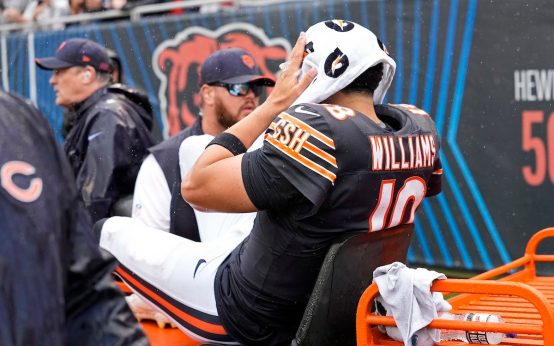 Chicago Bears Struggle After Caleb Williams’ Injury
  Jayden Daniels Suffers Elbow Injury; Marcus Mariota Set to Start
  Significant Events in Chicago History on September 21
  Patriots Rookie Gabe Jacas Shines Against Aaron Rodgers
 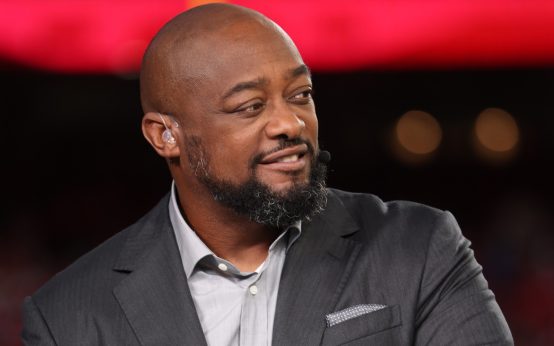 Pittsburgh Steelers Face Offensive Struggles in Post-Tomlin Era
 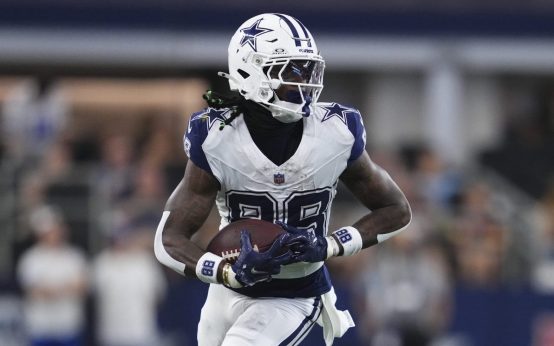 CeeDee Lamb Leads Dallas Cowboys to Victory Over Washington Commanders