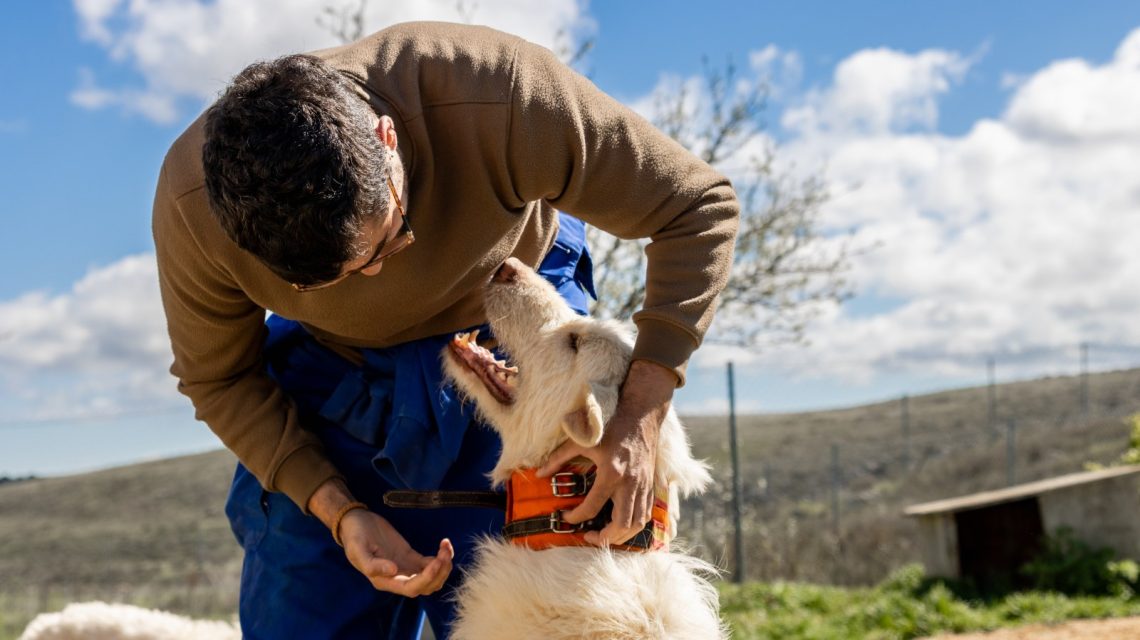
New research indicates that human lifestyles significantly affect their dogs’ gut microbiome. The study, published in mSystems, analyzed the gut microbiome of over 250 dogs from Nepal, Thailand, the UAE, and the United States. Researchers looked at dogs living with people who had varied lifestyles, including foraging, farming, pastoralist, urban, and industrialized environments. They found that shared environments and daily habits impact the bacterial types in dogs’ digestive systems.
Aashish R. Jha, a co-author of the study and assistant professor at New York University Abu Dhabi, shared insights with Newsweek. He emphasized the importance of diet and environmental factors. Dogs’ diets, time spent indoors or outdoors, interactions with animals, and exposure to environments influence their microbial exposure.
For instance, dogs in foraging communities might eat household-prepared foods and interact with livestock and soil. In contrast, pets in industrialized areas often eat commercial diets and live in controlled settings.
While the study observed factors influencing the microbiome, it did not identify which single factor is most significant. The dog gut microbiome, a complex mix of microorganisms like bacteria, viruses, and fungi, does more than aid digestion. A balanced microbiome supports the immune system and stress regulation. An imbalanced microbiome may lead to issues like diarrhea and skin conditions.
Researchers warn against treating the microbiome of industrially housed dogs as the standard of health. Jha noted that differences in dogs’ microbiomes often reflect their diets and lifestyles rather than health disparities.
We should exercise caution in considering industrialized dogs’ microbiomes as the universal standard of a healthy dog microbiome.
Dogs in industrialized settings have markedly different microbiomes than those outdoors or in farming communities. The study didn’t find a significant drop in microbial diversity with industrialization but noted shifts in bacterial structures and functions. The implications of these changes for dog health remain unclear.
One unexpected result was that industrialization affects human and dog gut microbiomes differently. Despite shared environments and food systems for millennia, bacterial responses to lifestyle changes varied significantly between the two species.
Geographic location also influences the gut microbiome. Factors like country, weather, and temperature contribute to differences. The study suggests lifestyle factors negatively affecting human gut health might impact dogs similarly. Jha advised caution in applying human gut microbiome findings to dogs directly.
This means a healthy gut microbiome for humans isn’t necessarily the same for dogs.
Though the study didn’t determine how microbial differences affect nutritional or medical needs, Dr. Ambika Vaid-Sidhu, an integrative veterinarian, stressed the ongoing need for research in this field. In practice, dogs with less outdoor time and processed diets often face digestive issues. Vaid-Sidhu advises focusing on whole ingredients, encouraging outdoor interaction, and gradual dietary changes for a healthy gut microbiome.
 Researchers Develop Vaccine for Multiple Food Allergies
 Hormone Contamination Prompts Toothpaste and Mouthwash Recall
 Christina Applegate Discusses Possible Link Between Breast Implants and Misdiagnosed MS
 French Protests Prompt Calls to Examine Tear Gas Impact on Women’s Health
 Transgender Doctor’s Medical Practice Halted After Allegations
 Navigating the Holidays with GLP-1 Medications