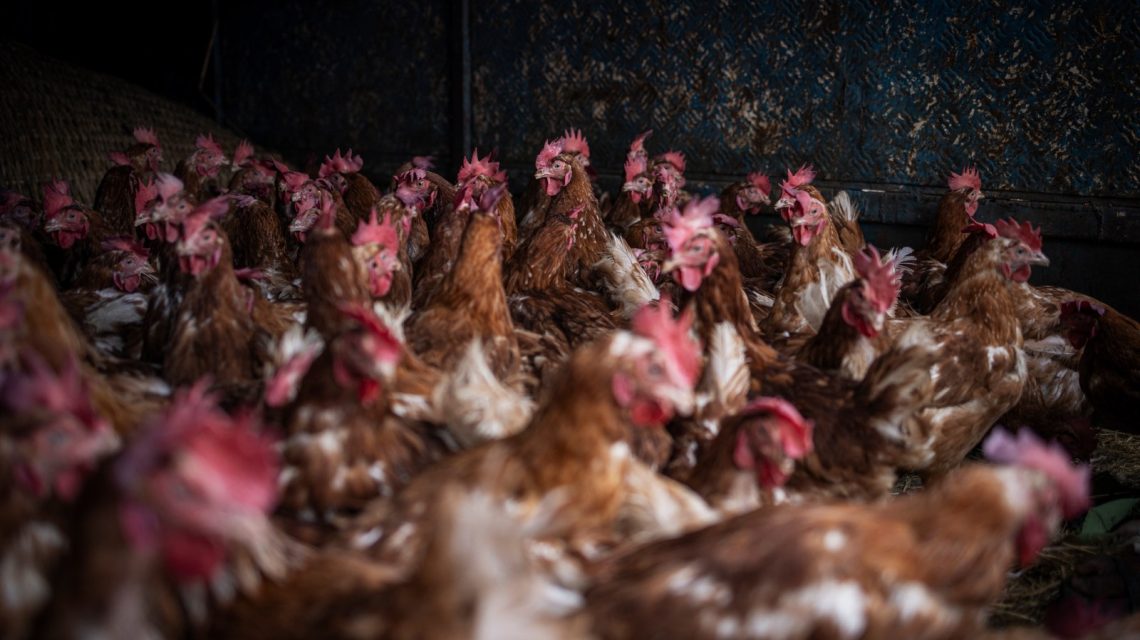
The Egg Hub Initiative: A Multifaceted Approach
Kalkidan Nigussie plays a pivotal role in assisting small-scale farmers throughout Africa in poultry farming. Since its beginnings in Malawi during 2018, the Egg Hub program under Nigussie’s leadership has empowered around 190 farmers. These farmers have collectively produced at least 15 million eggs in Malawi and Ethiopia. Plans are underway to further extend this initiative into Rwanda and Senegal.
“It’s very rewarding. Seeing that progression firsthand makes the work very meaningful,” Nigussie stated from Malawi, overseeing the initiative on behalf of Sight and Life, a prominent Swiss think-tank.
The program offers training and resources, including quality feed, a minimum of 500 birds, and interest-free loans to participating farmers. Notably, half of these farmers are women with some level of experience in hen farming.
The Nutritional Impact
Eggs are recognized for their nutrient density and cost-effectiveness as a protein source. Such attributes support addressing nutrition deficits in regions like Africa, where over half the population grapples with moderate to severe food insecurity, according to United Nations statistics. By 2025, approximately 67 percent of Africans are projected to lack access to a nutritious diet.
Furthermore, conflicts across the Middle East, reductions in global aid, and severe weather phenomena—including El Niño—are likely to aggravate hunger and food insecurity. Vulnerable areas like sub-Saharan Africa could be disproportionately affected, warned a European Commission report from September.
By 2030, projections estimate that hunger could impact up to 520 million people, more than half of whom would reside in Africa.
Sustainable Solutions Beyond Immediate Relief
Strategies focused on fostering community resilience to climate-related challenges like drought and inflation due to conflicts are crucial in building sustainable futures, according to Sufia Askari, managing director of Sight and Life.
“You can provide food, and that’s a quick solution. But that’s not sustainable. Turning an existing solution into lasting change cannot happen overnight,” Askari shared with Newsweek.
The foundation collaborates with local officials and U.N. organizations, aiming to broaden the Malawi program to 63 farms from the current 12. Recruitment of poultry farmers is already underway in Senegal and Rwanda.
Transformative Impact on Livelihoods
The program equips farmers with skills to rear chickens that can produce up to 300 eggs annually, a drastic improvement from the typical 40 eggs output. Nigussie highlighted how this has significantly boosted livelihoods and food security in participating villages. Egg consumption, especially among women and children in Malawi, has increased. Concurrently, egg prices have decreased, leading farmers to triple their incomes.
A firsthand account from a farmer illustrates this transformation: Formerly struggling for survival, she now operates a successful business, repaying her loan, completing multiple production cycles, and doubling her income. Such success stories underscore the program’s impact.
“What really stays with me is seeing farmers successfully repay the financing, support their households, and then start reinvesting, building additional sheds for another flock, or even buying small vehicles to transport their eggs,” Nigussie expressed with pride.
By providing farmers with necessary resources and support, the Egg Hub program demonstrates how empowering local communities can lead to sustainable changes, ultimately reducing food insecurity across Africa.
 President Trump Highlights Greenland’s Role in New Resource Exploration Program
  Pope Leo XIV Diagnosed with Lung Cancer Following Surgery
  Greta Thunberg Joins Student Protests in France Amid Education Reform Demands
  ABC News Faces Backlash Over Trump Family Report
  Pope Leo XIV Undergoes Lung Surgery
  U.S. Missile Developments and Hypersonic Weapons