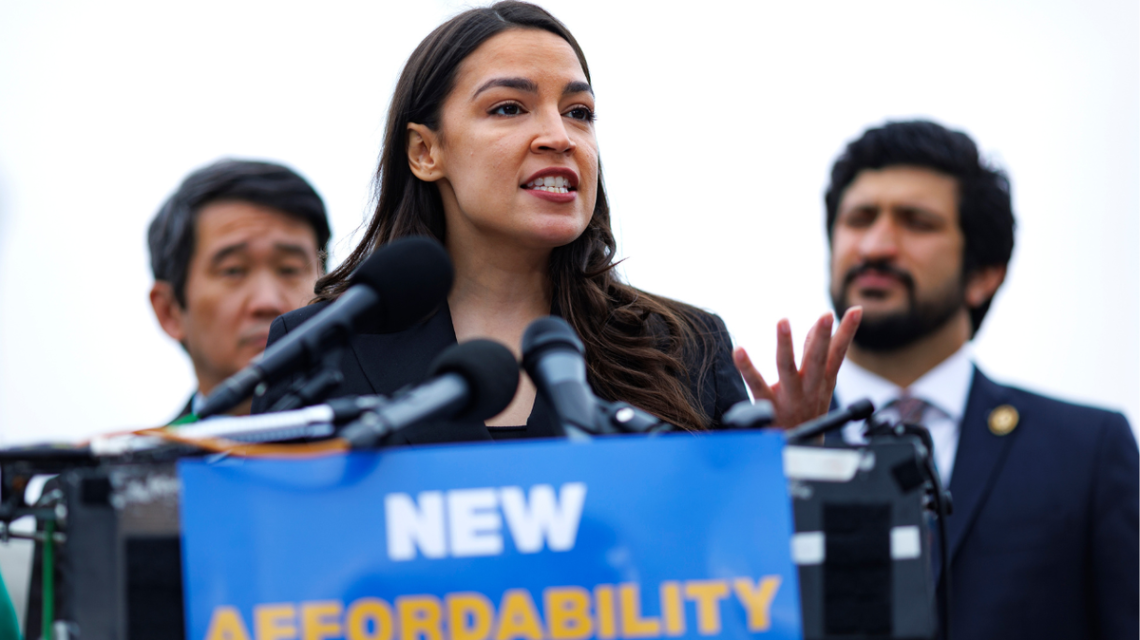
The push to raise the federal minimum wage to $25 per hour could lead to millions of job losses, especially in Sun Belt states with growing populations, according to an economist. The proposed legislation, supported by progressive Congress members, aims to implement this change by 2031 for large employers and 2038 for smaller ones. It also plans to remove the federal tip credit, raising tipped employees’ wages to $25 per hour.
Rebekah Paxton from the conservative Employment Policies Institute (EPI) described the proposal as a significant “job killer.” EPI predicts a potential loss of over 5 million jobs nationwide, with states like Texas, Pennsylvania, Georgia, North Carolina, and Florida facing the most significant impacts.
“These states currently follow the federal $7.25 minimum wage,” Paxton explained. “Raising it to $25 would more than triple the wage, drastically increasing labor costs for businesses.” She noted some businesses might try to compensate with higher prices, but this strategy often doesn’t work. The report indicates that almost five million jobs could be lost, with the restaurant and hospitality sector, including 1.2 million tipped workers, being highly affected.
There is ongoing pressure from left-leaning activists for a $25 minimum wage amid a national affordability crisis. Conservative groups argue that such wage hikes could increase inflation and impact entry-level hiring. One Fair Wage, part of a coalition advocating for higher wages, stated that raising wages is crucial as living costs climb.
Saru Jayaraman from One Fair Wage shared that many voters, irrespective of political affiliation, support a $25 wage, focusing on the ability to provide for families over political concerns.
In places like California and New York, local initiatives aim to increase minimum wages to $30 for major employers by the end of the decade. Proponents like Rep. Alexandria Ocasio-Cortez, along with other progressive proposals, support these efforts.
While advocates argue wage increases are essential to offset living costs, free-market economists caution that quick government interventions can lead to inflation and hinder job growth. In contrast, research from the Economic Policy Institute and UC Berkeley suggests carefully phased wage increases can boost incomes broadly with minimal employment impact.
 Trump’s Use of Taxpayer Dollars for Political Advertising Sparks Controversy
  Reforming the Jones Act: Evidence for Change
  J. Dennis Hastert’s Legacy and Controversies
  Growing Support for White Nationalism Among Young White Men in the U.S.
  Erratic Policy Shifts Before Midterms Reflect Tensions in Trump Administration
  Spanish Prime Minister Calls for Snap Elections Amid Rising Protests