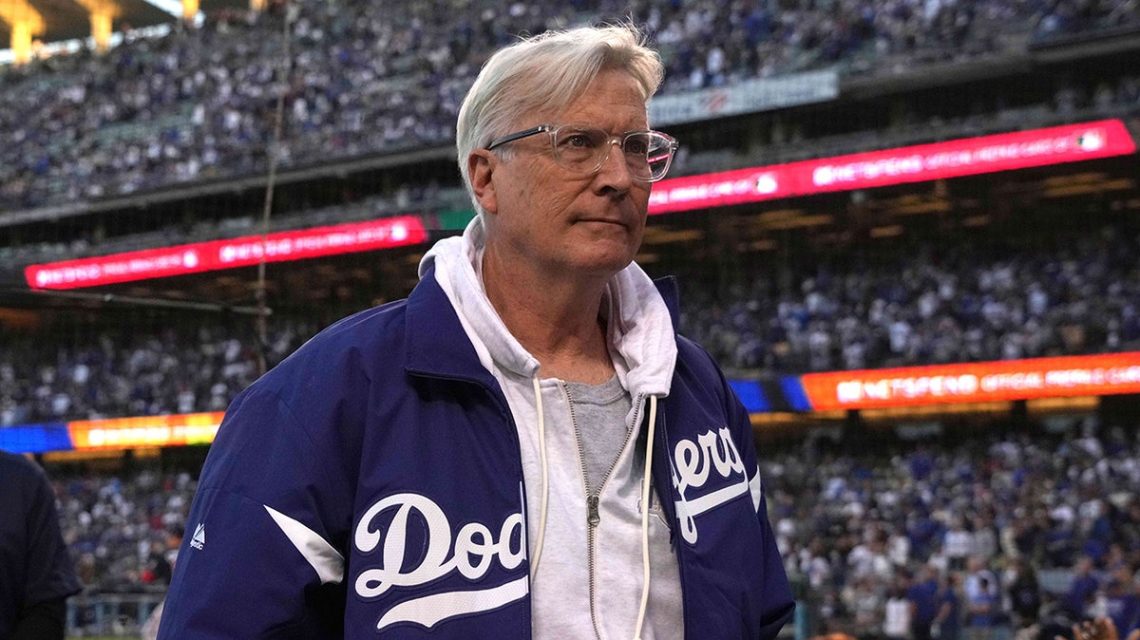
The recent uproar surrounding the Los Angeles Dodgers stemmed from claims suggesting the team’s financial backing relied on fraudulent activities. These claims were found to be false. Misunderstandings about the team’s revenue sources and ownership contributed to the controversy. Despite this, accusations triggered a backlash from baseball fans, who often express animosity toward the Dodgers’ wealth and success.
Jeff Passan, an ESPN reporter, faced harassment from fans pushing for him to comment on these misunderstandings. The origin of the unrest traced back to an investigation involving Mark Walter, the Dodgers’ largest stakeholder. Reports indicate that certain company investments were mishandled, with loans given to businesses under Walter’s control not adequately disclosed to investors. Federal regulations permit such loans, but allegations suggest these dealings surpassed typical scales.
Los Angeles Dodgers chairman Mark Walter is under scrutiny for allegedly improper handling of insurance investments, affecting businesses he controls.
Loans totaling at least $16 billion are under review. Dodgers President Stan Kasten addressed the situation, clarifying that these events bear little relevance to team operations. Speculations arose about Walter potentially selling the team, but Kasten vehemently denied any sales intentions, emphasizing the team’s ongoing commitment to winning.
The comparison to Walter’s sale of the Lakers was dismissed as a unique, unrelated instance. Kasten reiterated Walter’s focus on success, assuring fans and media alike that the Dodgers remain unaffected by the investigation.
Speculation over a loan from Delaware Life to Dodgers Tickets LLC, both linked to Walter, further fueled misunderstanding. However, the $4.1 million loan represents a minuscule portion of the team’s finances and has been repaid. Allegations suggesting fraudulently funded payroll were also questioned, given that a significant portion of revenue is devoted to player compensation.
The Dodgers’ TV deal drew attention due to its exclusion from revenue sharing, but the implications on total revenue are minor. The team’s robust financial standing, underscored by the scale of the television market and fan loyalty, continues to support its success.
Shohei Ohtani’s involvement, including a unique contract structure, aligns with industry practices. His presence has boosted revenue through increased fan engagement and corporate sponsorships. The Dodgers’ structural and financial strategies reflect their market advantages and judicious management rather than fraudulent practices.
Competitors such as the Mets and Yankees have struggled to replicate LA’s success, highlighting the Dodgers’ effective organization beyond mere spending. Despite contentious narratives, the evidence favors Kasten’s assurances of organizational integrity.
 Travis Kelce Sparks Excitement at Arrowhead Stadium
  Dallas Cowboys Defeat Washington Commanders Amid Player Injury
  Chicago Cubs’ Alex Bregman Suffers Facial Injury from Foul Ball
 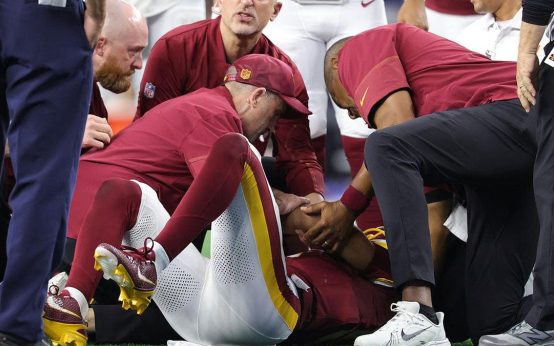 Washington Commanders Face Major Setback as QB Jayden Daniels Suffers Elbow Injury
 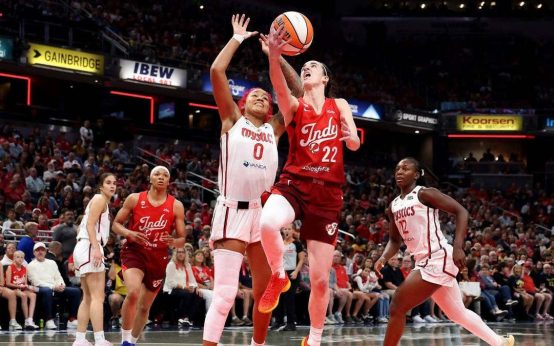 Indiana Fever’s Struggles Against Washington Mystics
 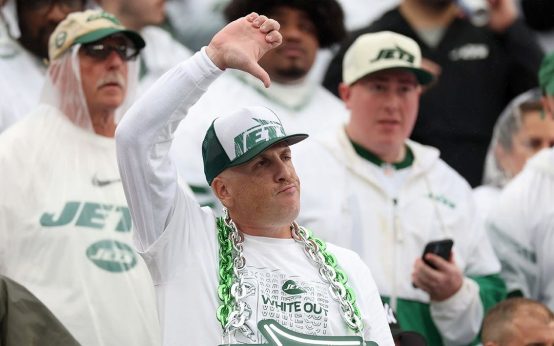 New York Jets Fall to Green Bay Packers After Fourth-Quarter Collapse