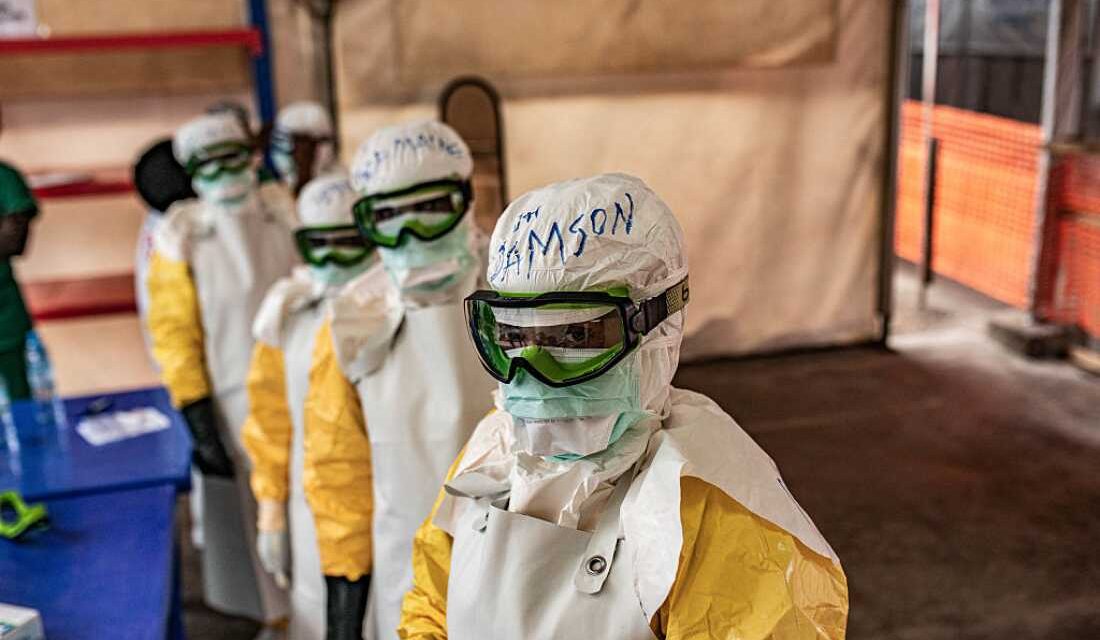
Health workers wearing protective gear are actively working at an Ebola treatment center in Monigi, Democratic Republic of Congo, as of June 2, 2026. The Ebola outbreak in Africa is poised to reach alarming levels with projections indicating up to 20,000 cases and at least 4,000 deaths within the next three months alone. This data comes from analyses conducted by the U.S. Centers for Disease Control and Prevention (CDC), which show the potential severity of the current outbreak.
The Democratic Republic of Congo and Uganda are urgently attempting to control the widespread outbreak, prompting the World Health Organization to declare an international health emergency. CDC has emphasized the need for large-scale and immediate public health interventions to limit disease spread. Jason Asher from the CDC’s Center for Forecasting and Outbreak Analytics noted, “If only 20% of cases enter isolation within two days of symptom onset, more than 20,000 cases are projected in two out of three of our scenarios.” This ominous figure could be reached within just three months, risking an outbreak even larger than the one seen in West Africa from 2014 to 2016.
The situation on the ground presents challenges, including active conflict and healthcare access issues. Isolation is deemed crucial to reducing virus transmission, and international efforts must focus on increasing isolation rates to control the outbreak.
If quick actions lead to 70% of cases isolating within two days of symptom onset, there’s a high probability—94%—of keeping the outbreak below 10,000 cases in the coming three months, according to CDC’s data.
Jennifer Nuzzo from the Pandemic Center at Brown University School of Public Health pointed out the dangerous trajectory of the outbreak and the need for intensified efforts to halt it at its source.
While the risk to the United States remains low, according to a CDC analysis, preparedness remains crucial. Ebola is less transmissible than diseases like COVID or influenza, and the U.S. has robust systems for quick identification and isolation of potential cases.
“The domestic risk remains low for the general US population,” stated Satish Pillai, the CDC Ebola response incident manager. Travel restrictions may only be necessary for trips to the Democratic Republic of Congo or Uganda.
Satish Pillai highlighted the importance of taking action promptly: “We’ve responded to Ebola outbreaks before. We know how to end this. Our goal is control, containment, and ending the outbreaks in DRC and Uganda.” The agency is committed to these efforts daily.
Anthony Banbury, a former U.N. official, stressed in an opinion piece for The Washington Post the need for a coordinated international response. Without significant changes in how the global community tackles the crisis, the Ebola outbreak may become uncontrollable.
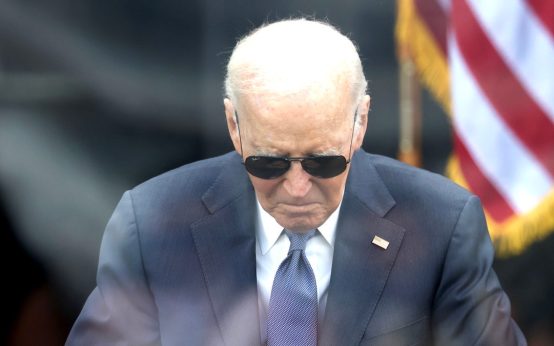 Joe Biden’s Prostate Cancer Progression and Current Healthcare Insights
 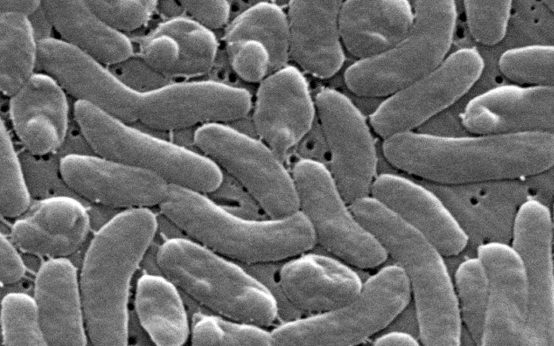 Vibrio Vulnificus: A Deadly Threat in Coastal Waters
  The Journey of Annelise Camp: A Family’s Battle and Tragic Loss
  Understanding N95 Respirators: What You Need to Know
  Ethan Suplee’s Journey to Sustainable Weight Management
  MaineHealth Board Votes to Close Maternity Unit at Lincoln Hospital