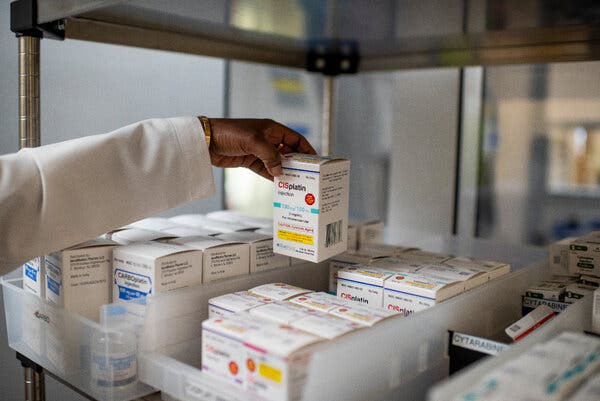
Doctors treating cancer patients nationwide are grappling with a shortage of crucial generic chemotherapy drugs. This situation raises fears of widespread rationing.
The shortages arise from manufacturing issues, shipping delays, and some companies choosing to cease production. The Food and Drug Administration has highlighted these challenges.
These older medicines are difficult to produce in sterile plants and command low prices in the United States. Despite this, they are among the most effective treatments available for certain cancers, especially when more targeted options are unavailable. This includes some breast, lung, and head and neck cancers.
In particular, the injection ifosfamide, used to treat sarcomas, lymphomas, and testicular cancers, faces significant shortages. Doctors are now meeting to determine who can receive the drug.
“There are some individuals who won’t be able to receive this drug, even if it is the best option for them, which puts pharmacists, doctors, patients, and families in a horrific situation,”
stated Dr. Andrew Shuman, a head and neck cancer surgeon and professor at the University of Michigan. He has testified to Congress regarding previous drug shortages.
In Michigan, where Dr. Shuman practices, some doctors are prioritizing scarce doses for patients most likely to benefit. This often means preference for younger patients who may achieve a full recovery.
 Insulin Cost Legislation Push
  The Impact of Private Equity Ownership on Hospitals
  Impact of Private Equity on Healthcare Access
 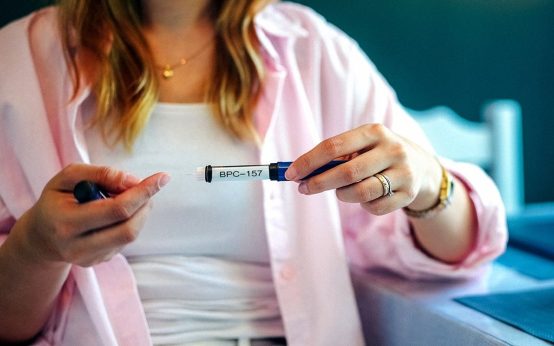 The Potential of Peptides in Healthy Aging and Metabolic Health
  Greek Couple’s Journey to Parenthood Amid IVF Age Limits
 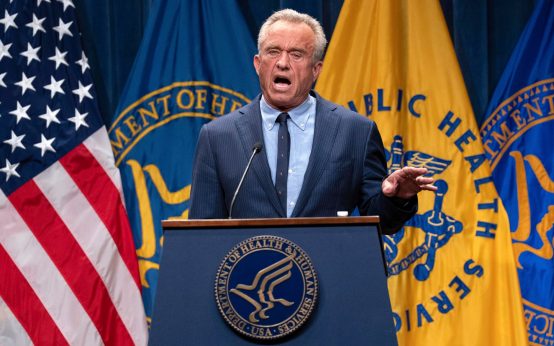 The Controversy Surrounding the National Vaccine Injury Compensation Program