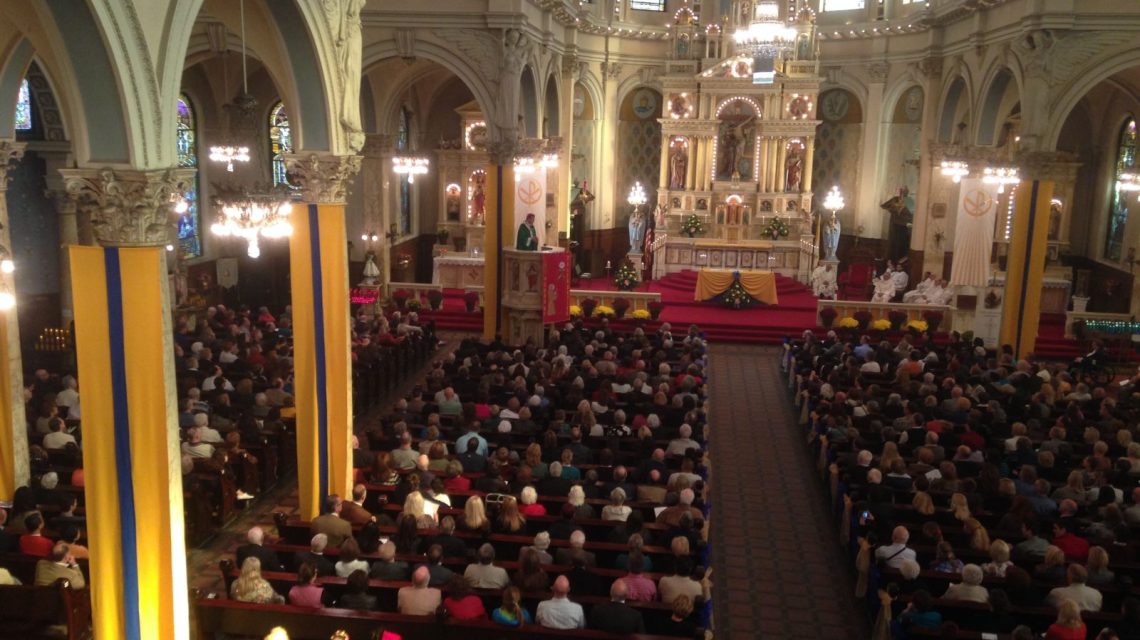
Detroit Archdiocese Faces Parochial Changes
Michigan’s largest Catholic archdiocese is contemplating suspending weekend Mass at up to 90 parishes due to dwindling congregations, a shortage of priests, and rising financial pressures in the Detroit area. Last week, the Archdiocese of Detroit added 32 parishes to its list where masses might be eliminated, supplementing the 58 previously considered in earlier plans.
These proposals are part of a two-year reorganization process aimed at adapting to shifting demographics and declining involvement in parish life. Archdiocesan records highlight a 40 percent drop in Mass attendance since 2011, with worshippers reduced from 231,076 to 139,088 in 2024, even as Detroit’s population grew by nearly 100,000 during the same timeline.
Broader Challenges for the Catholic Church
These shifts mirror the larger issues confronting the Catholic Church, including aging congregations and fewer clergy, amidst a declining trend in religious affiliation nationwide. More Americans identify as non-religious, leading to reduced membership in organized faiths across the country.
A comparable decision occurred in Iowa, where the Archdiocese of Dubuque also announced the cessation of weekend masses at 84 parishes, driven by clergy shortages and declining attendance, as reported by Eternal Word Television Network.
Details of the Detroit Plans
The Archdiocese of Detroit has conducted more than 400 parish listening sessions to develop these plans, according to Archbishop Edward J. Weisenburger. In a video address, he described the effort as “deeply layered,” encouraging feedback online from the public.
The new models encompass areas of metro Detroit and counties such as Wayne, Oakland, and Macomb. While several versions of the plans exist, finalization has not occurred. New pastorates will be revealed in April 2027, with implementation scheduled for July 1.
Archbishop Weisenburger acknowledged the challenging nature of these decisions but expressed hope for a shared vision of vibrant faith communities, flourishing priests, and sustainable parishes.
Reasons Behind Parish Closures
The Archdiocese cited population changes and shifting religious affiliations as factors leaving them with surplus church buildings compared to current Catholic population needs. Data reveal a decline from a historic high of 1.5 million Catholics to around 900,000 today.
The archdiocese reports Mass attendance shrinking by about 4 percent annually, predicting that a third of current attendees might stop coming within the next decade. In 2024, only 29 percent of pews were occupied.
Long-term diminishment in sacramental participation has occurred as well. Infant baptisms have decreased by 60–70 percent from their peak, while marriages have fallen by 40–50 percent. Funerals now exceed every other sacrament, numbering around 6,000 annually, and outstripping baptisms, marriages, and confirmations individually. This reflects an aging Catholic demographic and a strengthening decline in new participants.
Leadership challenges also persist. The archdiocese encounters a declining priesthood, with many pastors burdened with multiple administrative tasks, limiting their ministerial focus. Most active priests are currently older than 50, and projections suggest fewer than 165 priests will be serving parish ministry by 2029.
Optimism Amid Restructuring
Church authorities suggest restructuring to address trends by consolidating resources and forming parish structures adaptable for upcoming decades. In his announcement letter, Archbishop Weisenburger remarked: “While our commitment to Christ and his Church urges us to face these hurdles, we can approach this period with optimism and seek opportunities.”
He posited that God might be encouraging the archdiocese to reimagine parish life with creativity and renewed faith.