
After a sweeping victory in Congress on a message of addressing high costs, Democrats now face the challenge of delivering results while President Trump remains in office. The task is complex, involving decisions on priorities and strategies that could test the party’s unity.
Challenges Ahead
Key Democratic leaders have outlined plans to address several issues. House Democratic Leader Hakeem Jeffries emphasized withdrawing from the Iran conflict, removing Trump-imposed tariffs, reversing cuts to Medicaid, and extending Affordable Care Act tax credits. Senate Democratic Leader Chuck Schumer mentioned similar goals in a meeting with colleagues, with a focus on the first 100 days of the upcoming Congress.
Sen. Chris Van Hollen, challenging Schumer for leadership, has advocated using government funding expiration as leverage to end Trump’s Iran military involvement. This approach echoes a previous shutdown over healthcare subsidies, which, while unsuccessful in extending them, showed Democratic resolve and dented Trump’s approval ratings.
Strategic Decisions
Top Democratic appropriators are contemplating this approach, though a prolonged shutdown might overshadow other priorities. Although they concur on objectives like undoing SNAP and Medicaid cuts and reversing some tax cuts, the method—individual bills or broader packages—remains undecided. The goal is to increase political costs for Trump’s anticipated vetoes.
Interviews with a dozen Democrats revealed strong support for repealing tariffs that hike consumer prices and advocating an ethics bill prohibiting stock trading by government officials. Achieving these goals would need Trump’s cooperation, which some Democrats view as an opportunity to adopt progressive policies for political gains.
Bipartisan Efforts
Sen.-elect James Talarico expressed a willingness to work with Trump, suggesting collaboration could enhance his presidential legacy. Sen.-elect Abdul El-Sayed proposed ‘Medicare For All’ to Trump, hoping for bipartisan support on universal healthcare similar to initiatives by Sen. Bernie Sanders.
Even immigration, a historically divisive topic, presents potential collaborative opportunities. Previous discussions on pathways to citizenship stalled, partly due to opposing influences, but Democrats like Sen. Michael Bennet see promise in revisiting bipartisan immigration reform.
The Way Forward
While optimism exists, Democrats recognize the likelihood of vetoed bills. The party’s approach involves identifying areas for bipartisan work to benefit the public, such as reducing costs and improving wages. Sen. Ruben Gallego supported trying bipartisan efforts before shifting focus to strategic legislation and messaging.
One major topic under discussion is raising the federal minimum wage, untouched since 2009. However, the party remains undecided on the new target amount, with Jeffries acknowledging ongoing discussions among leaders.
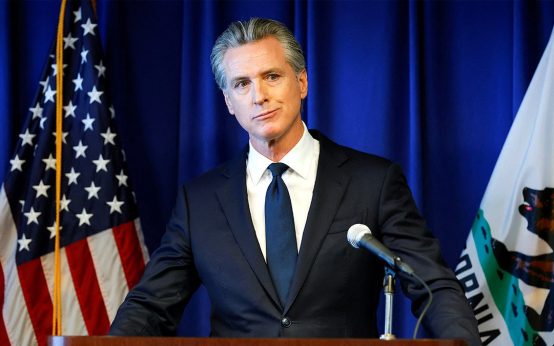 Controversy Surrounds Governor Newsom’s Death Sentence Commutation Plan
 Jewish Activist Criticizes Event Cancellation at CUNY School
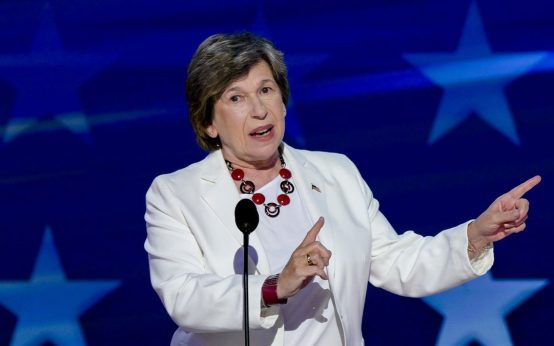 Debate on School Choice in Texas Elections
 Amy Klobuchar Takes On Governorship with Promises for Minnesota’s Growth
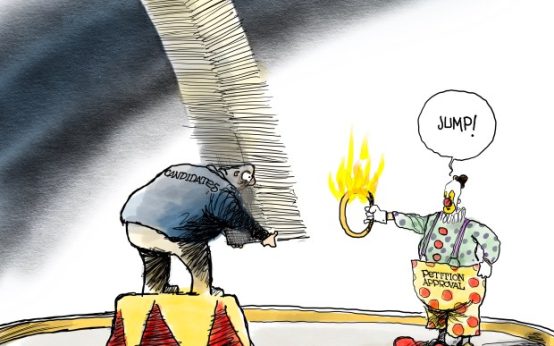 Challenges of Signature Requirements for Political Candidates in Illinois
 Debate Rekindled Over Gray Wolves and Livestock Losses