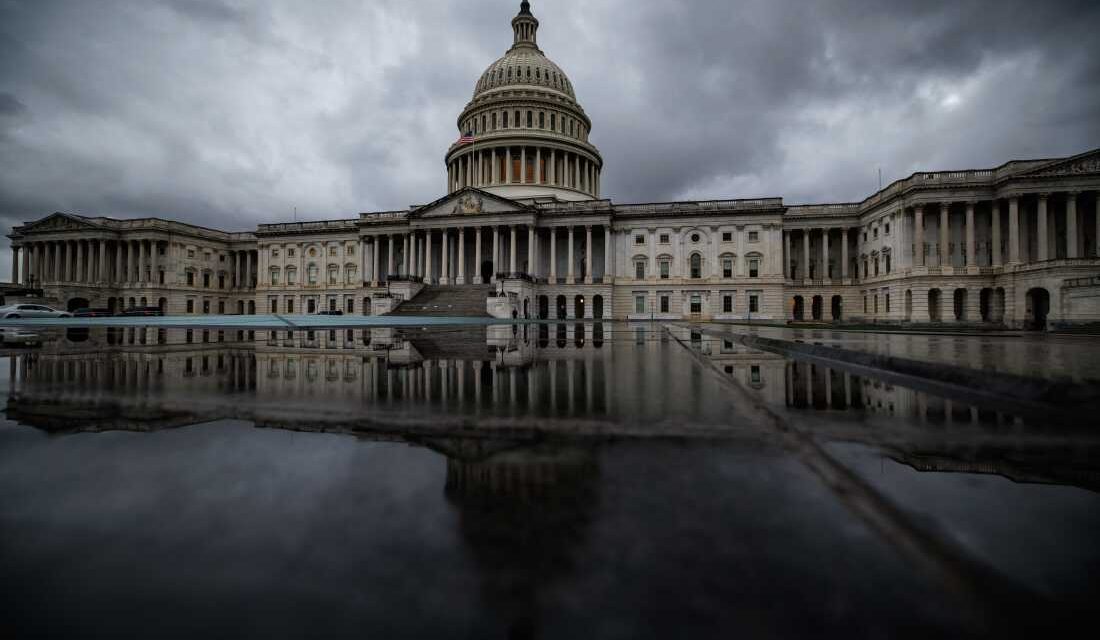
The U.S. Capitol in Washington, D.C. represents the focus of significant political dynamics as the Democratic Party aims to flip the Senate. Despite months into the primaries, uncertainty surrounds their chances of success. The equation for Democrats is straightforward: they must gain four seats to overcome Republican control, bolstered by a Republican vice president’s tie-breaking vote. While Republicans maintain optimism about holding a slim majority, historical voting patterns and a challenging political climate suggest possible Democratic gains of one to three seats.
Notably, neither party has easily captured Senate races in states that align with the opposing party’s presidential candidate victories. Factors such as President Trump’s low approval ratings and tensions with Iran, alongside nationwide economic dissatisfaction, may alter voter sentiments.
Democratic primaries exhibit trends like the emergence of socialist and younger outsider candidates. Republicans argue these Democrats, perceived as supporting heavy tax burdens, will alienate the centrist, commonsense voter base.
“Here’s the landscape, ranked from most to least likely to flip.”
Political experts, such as those from the Cook Political Report, provide race ratings (e.g., Toss-Up, Lean), backed by campaign operatives’ analyses.
Tier 1 – Most Likely to Flip
North Carolina (R-Open) LEAN D: North Carolina’s open seat offers Democrats a prime opportunity. With Republican Sen. Thom Tillis retiring, a contest has emerged between former Democratic Gov. Roy Cooper and Michael Whatley, Republican National Committee chairman and Trump ally. Cooper, with broad name recognition, leads polls and fundraising. Yet, Republicans emphasize Whatley’s fundraising potential and favorable voter registration.
Democrats eye breaking a nearly two-decade Senate win drought in North Carolina, last achieved in 2008.
Tier 2 – The Toss-Ups
Alaska (R-Sullivan) TOSS UP:
The presence of Dan J. Sullivan, a retired teacher sharing a name with Republican Sen. Dan S. Sullivan, complicates the race under Alaska’s election system. Both candidates could appear on the November ballot, confusing voters. Democrats pin hopes on Mary Peltola, Alaska’s first Native Congress member in 2022, focusing on affordability. Republicans trust Alaska’s conservative tilt will prevail, pointing to Peltola’s 2024 House race defeat.
Primary: Aug. 18.
Maine (R-Collins) TOSS-UP:
In Maine, Troy Jackson replaces Democratic candidate Graham Platner, who suspended his campaign amid denied allegations. Jackson, a former state Senate President, faces Republican Sen. Susan Collins. Collins, known for winning support in Democrat-favored areas, faces challenges in the state that Trump lost in 2024. The Democrats face a slim path to the Senate without retaining Maine.
Michigan (D-Open) TOSS-UP:
The Michigan race showcases a centrist vs. progressive conflict between Rep. Haley Stevens and Abdul El-Sayed, advocating for Medicare for All and ICE abolition. Stevens, backed by Governor Gretchen Whitmer and Senate Minority Leader Chuck Schumer, outspends El-Sayed significantly. The election’s outcome hinges on Stevens’ or El-Sayed’s prospects against Republican Mike Rogers, who narrowly lost to Sen. Elissa Slotkin in 2024.
Primary: Aug. 4.
Ohio (R-Husted) TOSS-UP:
Former Sen. Sherrod Brown reenters the race against Republican Sen. Jon Husted, who fills Vice President Vance’s vacated seat. Brown’s campaign emphasizes economic issues resonating with voters. Though he’d previously lost against Bernie Moreno, Democrats remain optimistic, considering Ohio’s pro-Trump voting pattern in recent elections and discontent with Vice President Kamala Harris’ run.
Brown must overcome past narrow losses while Husted benefits from an electorate leaning Republican.
Tier 3 – Potential Progressive Win
Minnesota (D-Open) LIKELY D: Democrats intend to hold Minnesota’s seat despite internal struggles. Lt. Gov. Peggy Flanagan leads against centrist Angie Craig. Flanagan secures the Democratic-Farmer-Labor Party’s endorsement despite Craig’s greater fundraising success. Among Republicans, Michele Tafoya garners national support, but the state hasn’t seen a Republican statewide victory since 2006.
Primary: Aug. 11.
Tier 4 – The Reaches
Georgia (D-Ossoff) LEAN D:
Sen. Jon Ossoff aims to defend his seat in pivotal Georgia against Republican Rep. Mike Collins, a Trump-endorsed immigration reform advocate. Ossoff focuses on the general election while Collins battles primary challenges. However, Republicans highlight the midterm electorate’s natural Republican lean, necessitating Ossoff’s full Democratic base support.
New Hampshire (D-Open) LEAN D:
As Sen. Jeanne Shaheen retires, New Hampshire Democrats support Rep. Chris Pappas, while Republicans back John Sununu, a political heavyweight. Despite Republican optimism over independent voter registration, Trump’s disapproval rating poses challenges. Republican Gov. Kelly Ayotte aids Sununu.
Primary: Sept. 8.
Iowa (R-Open) LEAN R:
The departure of Sen. Joni Ernst amid economic tensions and agricultural issues puts Iowa in play. Democratic contender Josh Turek and Republican Ashley Hinson vie for the seat. Turek, known for Paralympics success, aims to secure Democrats a win last achieved in 2008. Iowa’s Republican shift post-Obama could favor Hinson, a former anchor.
Tier 5 – The Real Maybe
Texas (R-Cornyn) LEAN R: Attorney General Ken Paxton replaces Sen. John Cornyn, setting a high-stakes race with Democrat James Talarico. Despite scandals, Paxton’s popularity endures with Trump’s backing. Democrats perceive Talarico as key, yet Texas’ steadfast Republican identity poses challenges rooted in Trump’s consistent state victories.
 A Mother’s Tragic Journey Under Abortion Ban
  U.S. Strategic Goals Remain Unmet Amid Prolonged Conflict
  The Impact of Arts and Closure on Democracy
 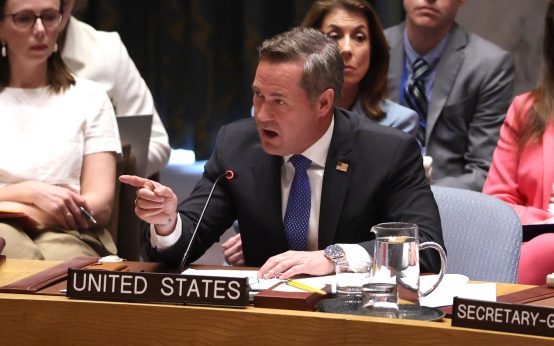 U.S. Ambassador Comments on Iran War Duration Amid Political Concerns
  US-China Relations Under Scrutiny: Expert Warns of Escalating Tensions
  No Timeline for End of Iran Conflict