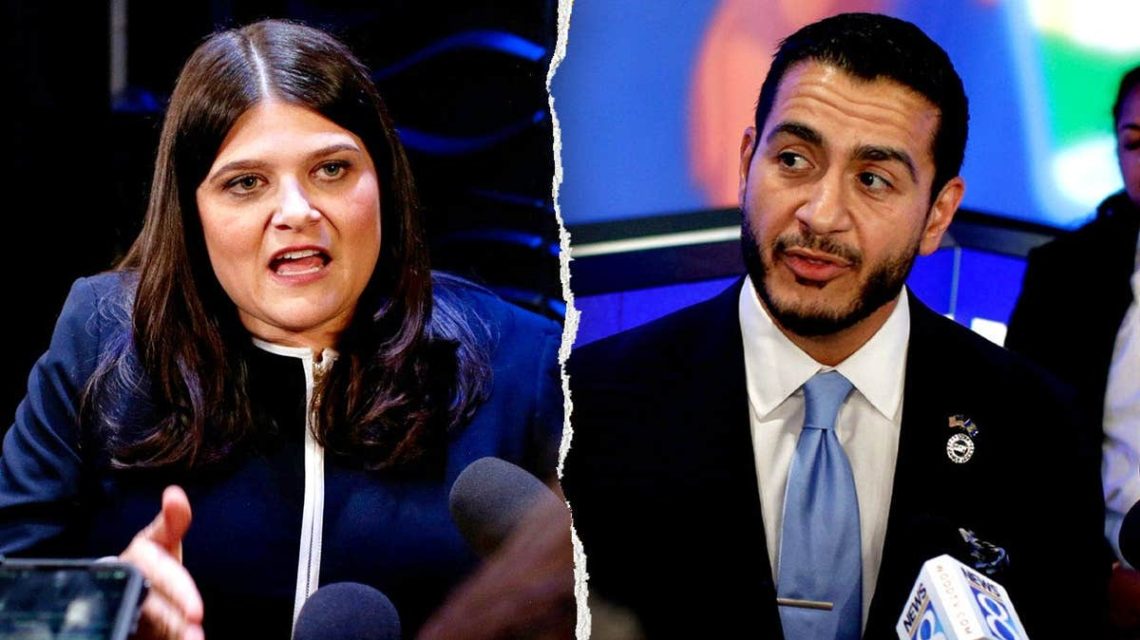
The Democratic Party’s internal conflict came to the forefront during a heated Senate debate in Michigan. With the primary seven days away, candidates used the opportunity to present their arguments on who can best represent Michigan and defeat Republican Mike Rogers in the general election.
The Debate Stage Showdown
El-Sayed, a candidate aligned with the progressive faction, did not back down from his controversial “ogre on a pike” comment. While clarifying it was directed at Sen. John Fetterman, not Stevens, he refused to apologize. El-Sayed criticized both pro-Israel and corporate spending supporting Stevens. He rejected being labeled as a ‘socialist,’ describing himself as a capitalist who understands the system.
On the other hand, Stevens questioned El-Sayed’s transparency regarding his tax returns and outside income. She portrayed his rhetoric and ambitions as potential general-election risks. Stevens seeks to portray herself as a reliable candidate who could face off against Rogers for the Senate seat.
Support from Party Leaders
Retiring Sen. Gary Peters endorsed Haley Stevens, showing the establishment’s preference over progressive rival Abdul El-Sayed. This decision by party leaders indicates their aim to prevent El-Sayed from securing the nomination.
Controversial Remarks and Campaign Tactics
“I was referring to a guy named John Fetterman,” El-Sayed explained. He expressed dissatisfaction with Fetterman’s change in values after being elected.
Stevens appreciated El-Sayed’s clarification, saying, “Thank you for clarifying that you didn’t call me an ogre.” El-Sayed’s comment stemmed from a Zoom meeting where he discussed how his victory could influence the Democratic Party’s direction.
Rep. Hillary Scholten criticized the remark as a threat, and Neera Tanden linked it to accusations of sexism in the race. The debate extended to campaign financing, with El-Sayed emphasizing outside spending supporting Stevens, which included more than $46 million linked to AIPAC.
Funding and Policy Differences
El-Sayed argued that the significant AIPAC support exposed a fundamental difference between the candidates. He suggested the funding would align Stevens with specific policy decisions, including her recent votes related to Israel.
Stevens, however, defended her position and pointed out that both campaigns benefitted from outside groups’ support. She accused El-Sayed of gaining from a super PAC indirectly funded by his father-in-law.
Financial Transparency in Question
Stevens pressed El-Sayed regarding unreleased tax returns and claimed he earned substantial income aside from his campaign. Stevens questioned the transparency concerning El-Sayed’s sources of income and how Republicans might use this information against him in the general election.
El-Sayed responded by highlighting his compliance with financial disclosure requirements but dismissed the demand for full tax returns as a smokescreen. He questioned the financing behind Stevens’ campaign support.
Opposing Views on Senate Procedures
El-Sayed targeted the Senate filibuster as an obstacle to legislative progress, calling it anti-democratic. He argued that removing it could pave the way for significant Democratic initiatives, such as the PRO Act and Medicare for All.
Debate over ICE
Immigration policies featured prominently in the debate. Stevens labeled ICE a “rogue agency,” advocating for redirecting its funds to local communities. El-Sayed, more critical, described ICE as “tyrannical” and called for its abolition.
El-Sayed suggested that a new agency could enforce immigration laws without ICE’s paramilitary presence. Stevens countered that his stance was more about rhetoric than creating practical solutions, emphasizing her legislative efforts to reform ICE.
 The Impact of Arts and Closure on Democracy
 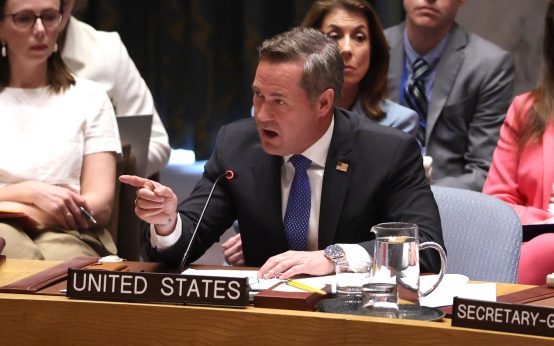 U.S. Ambassador Comments on Iran War Duration Amid Political Concerns
 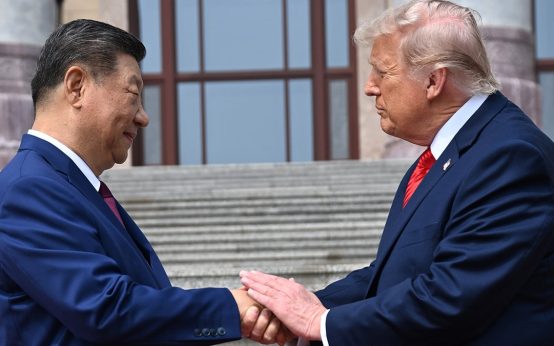 US-China Relations Under Scrutiny: Expert Warns of Escalating Tensions
  No Timeline for End of Iran Conflict
 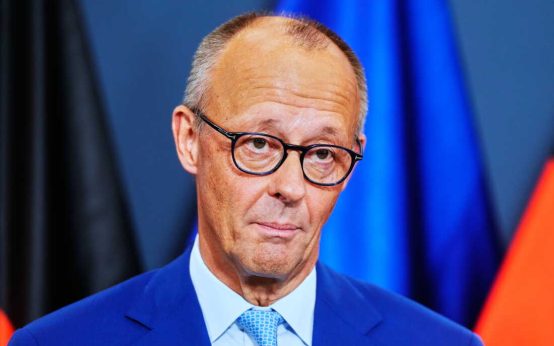 German Chancellor Merz Vows to Pursue Reforms Despite Election Setbacks
 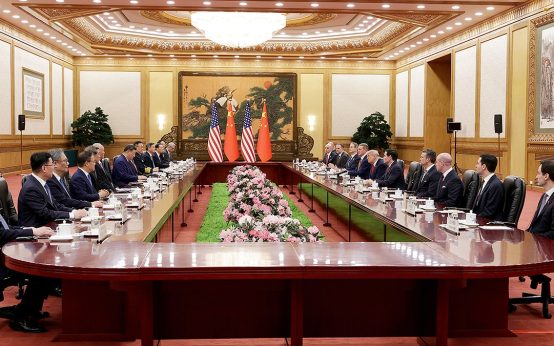 The Technology Rivalry: Trump’s Meeting with Xi and the AI Ecosystem Clash