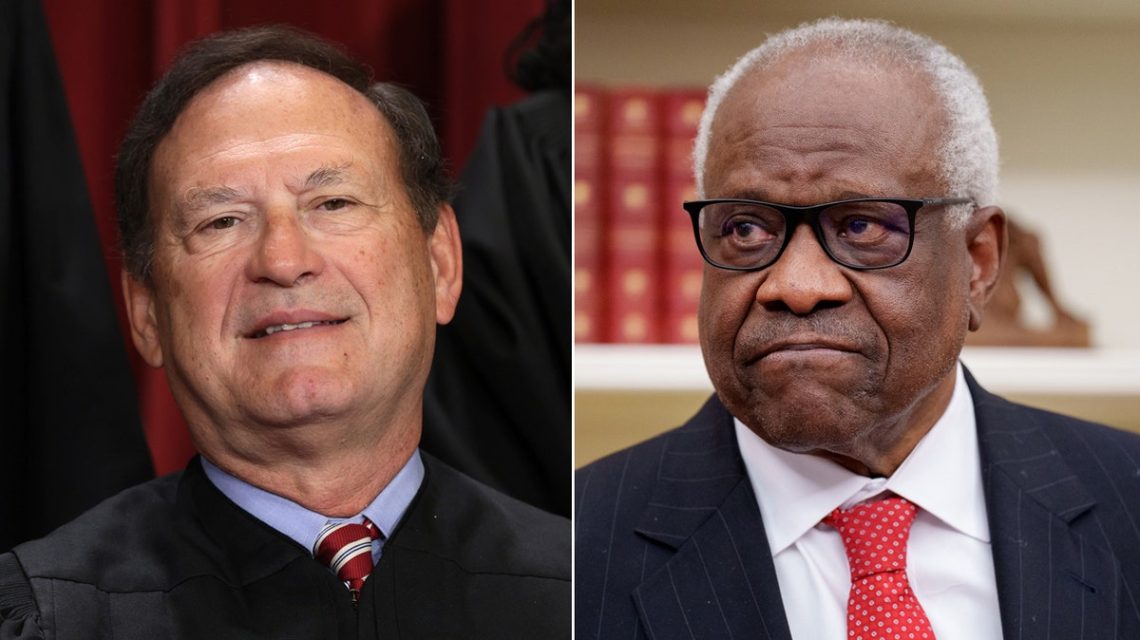
The 2026 midterm election results have shifted control of Congress, signaling potential discord with President Donald Trump. The Democratic surge not only affects legislative dynamics but also poses a threat to the current balance of the Supreme Court.
Democrats, enjoying legislative power, may challenge fundamental American institutions. Among proposed reforms, expanding the Supreme Court stands out as a significant threat to limited government and natural rights.
Democratic Surge in Midterms
The Democrats’ victory surpasses predictions. They gained control of the House during a midterm election, a common occurrence in a president’s second term. Yet, the extent of the rejection of President Trump and the Republican agenda was unforeseen. With 24 races pending, Democrats secured 254 seats, surpassing the required 218 for a majority, leaving Republicans with 157 seats.
In the Senate, Democrats flipped seven seats, achieving a 54-44 majority. Democratic challengers lead in two other races. Surprising wins in Republican areas like Kansas, Texas, and South Carolina highlight this shift.
Impact on the Supreme Court
Conservatives fear a Democratic Senate threatens their Supreme Court majority. Justices Roberts, Thomas, and Alito were appointed by Presidents Bush and Trump, forming part of a 6-3 majority favoring originalist constitutional interpretations. This majority overturned Roe v. Wade, supported Second Amendment rights, and ended racial preferences in government programs.
With Senate control changing, the retirement of conservative justices is unlikely before 2028. Justices Thomas and Alito are 78 and 76, respectively, near the average retirement age of 79.8. Their departure could see Democrats blocking successor appointments, as Sen. Mitch McConnell did in 2016.
“If Justices Thomas or Alito retire soon, Democrats may hesitate to confirm successors.”
Long-term Political Landscape
The political landscape suggests Democrats might win the 2028 presidential election. Historically, the incumbent party loses post a president’s second term, with few exceptions, like Martin Van Buren and George H.W. Bush. Trump’s unpopularity further complicates a Republican successor’s chances.
Even with a Republican president post-2028, a Democratic Senate could hinder the appointment of originalist justices. Short-term strategies involve nominating a young originalist during the lame-duck session, but Justice Alito has publicly dismissed retirement rumors.
Threat of Court-Expansion
Focus on justices’ ages diverts from a larger threat: a potential court-expansion by a Democratic government. Many Democrats advocate “reform” by increasing the Supreme Court’s size to at least 13 justices. Congressional members have proposed legislation to this effect. Key figures like former Vice President Kamala Harris support this idea.
Democratic control of Congress sets the stage for court-packing, with potential vetoes from President Trump. However, real action might await a Democratic president post-2028. A government trifecta could push court-packing bills through both houses, altering the Supreme Court’s structure significantly.
“Court-packing undermines judicial independence and endangers natural rights.”
The Supreme Court could become a political battleground for both parties, eroding federal judicial independence and threatening rights against majority tyranny.
John Yoo is a legal scholar at the University of California, Berkeley, and a senior fellow at various institutes.
 Controversy Surrounds Governor Newsom’s Death Sentence Commutation Plan
 Jewish Activist Criticizes Event Cancellation at CUNY School
 Debate on School Choice in Texas Elections
 Amy Klobuchar Takes On Governorship with Promises for Minnesota’s Growth
 Challenges of Signature Requirements for Political Candidates in Illinois
 Debate Rekindled Over Gray Wolves and Livestock Losses