The murder trial of Lindsay Clancy continued on Tuesday in Massachusetts, marking the 15th day of testimony. The trial can be viewed live via CBS News Boston or on YouTube during court sessions.
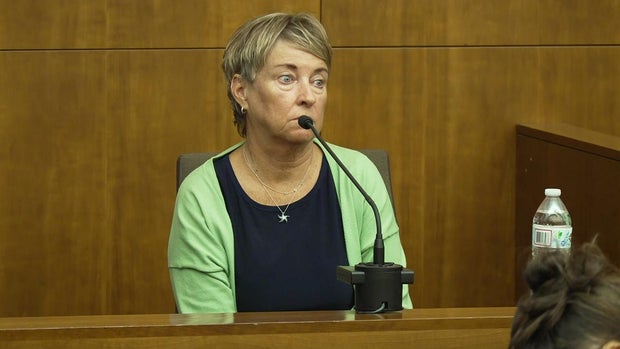
Following the prosecution’s presentation of 72 witnesses, the defense began its case. One of their first witnesses was Clancy’s mother, Paula Musgrove, followed by Patrick Clancy’s mother, Susan Clancy.
Testimony of Susan Clancy
Susan Clancy, Lindsay’s ex-mother-in-law, testified in support of Lindsay. She described her former daughter-in-law as nurturing and loving. Susan highlighted Lindsay’s struggles with insomnia, anxiety, and sadness, which Lindsay disclosed in November.
As a nurse, Susan connected Lindsay with colleagues running a postpartum support program. Defense Attorney Kevin Reddington questioned Susan about Lindsay’s commitment to recovery. Susan confirmed that Lindsay actively sought help.
Susan Clancy described Lindsay: “She was very nurturing, very loving. She loved her children, all of them. Very much.”
During cross-examination, Susan mentioned offering to assist with the children, but the family preferred to keep them in their own beds. She also addressed the numerous medications Lindsay was taking, noting the confusion they caused.
Prosecutor Shanan Buckingham questioned Susan about a Christmas event attended by the family. A specific question about murder as a sin was struck from the record by Judge William Sullivan.
Charges and Defense
Lindsay Clancy, 36, faces charges of first-degree murder for the deaths of her three children, Cora (5), Dawson (3), and Callan (8 months), in January 2023. Although Lindsay admits to the killings, she has pleaded not guilty, attributing her actions to postpartum psychosis and medication overuse.
The prosecution, led by Jennifer Sprague and Shanan Buckingham, argues Lindsay planned the deaths and staged a suicide attempt, resulting in paralysis. If convicted, Lindsay faces life imprisonment without parole. However, if found not criminally responsible, she will be committed to a psychiatric hospital.
If facing emotional distress or a crisis, contact the 988 Suicide & Crisis Lifeline at 988. Support is also accessible through the National Alliance on Mental Illness HelpLine at 1-800-950-NAMI (6264).