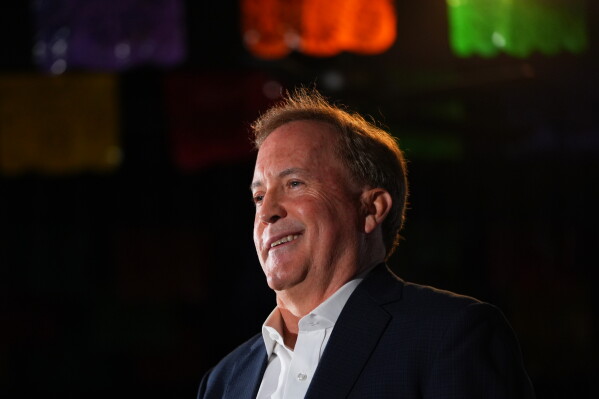
Colin Allred, after three terms in the U.S. House and two unsuccessful Senate campaigns, comments on voter suspicions about Congressional stock trading and wealth accumulation. He actively criticizes Rep. Julie Johnson in the Democratic runoff for a Dallas-area House seat, leveraging anger over congressional stock trades.
Johnson defends her stock trades, saying they were managed by a financial advisor. She accuses Allred of self-interest, highlighting the increase in his wealth during his Congressional tenure. Allred, however, claims his assets are in a blind trust and attributes the increase to his wife’s income from her law firm position.
This political rivalry exemplifies the Democratic Party’s broader debates on the influence of money in politics. Accusations of self-dealing have permeated Democratic primaries, especially as candidates look to differentiate themselves amid concurrent criticisms of personal wealth.
Democrats aim to refine their anti-corruption stance against Trump, focusing on proposals to overhaul Washington if successful in midterms. Some organizations track stock trading and corporate donations involving Congress members, promoting a pledge against stock trading and corporate donations. Despite anti-corruption pledges from numerous candidates, Congressional stock trading remains legal, with legislation stalled due to divisiveness and loopholes.
The Democratic primaries highlight anti-corruption messages. In Utah, State Sen. Nate Blouin criticizes rival Ben McAdams for equity in a local firm, though McAdams defends his past contract earnings. Blouin returns corporate donations due to the perception that such contributions influence votes.
Similar disputes arise in New York, where Brad Lander accuses Rep. Dan Goldman of using personal wealth to match campaign contributions. Goldman insists his assets are in a blind trust and denies ties to corporate PAC money, focusing on voter representation.
The California primaries reflect these themes. Rep. Brad Sherman faces criticism despite supporting a stock ban and holding inherited stocks. Opponent Jake Levine doesn’t disclose his stock portfolio, fueling debate over transparency.
Meanwhile, in California, Scott Wiener targets opponent Saikat Chakrabarti, questioning his wealth and stock trading history. Chakrabarti counters with intentions to place his assets in a blind trust, criticizing Wiener’s PAC support.
These disputes underscore a broader dialogue on political integrity and transparency, highlighting partisan struggles with perceived corruption and the influence of wealth in campaign strategies.
 The David Network’s Role in Conservative Campus Engagement
  Congress Faces Conditions on Sean Duffy’s Modernization Proposal
  ISMA Survey Reveals Increased Cynicism Among Harris Supporters
  Tense Debate Unfolds in Michigan U.S. Senate Race
  Heated Michigan Senate Debate Highlights Divisive Issues
  Jack Smith Testifies Before Senate Judiciary Committee Over Trump Investigations