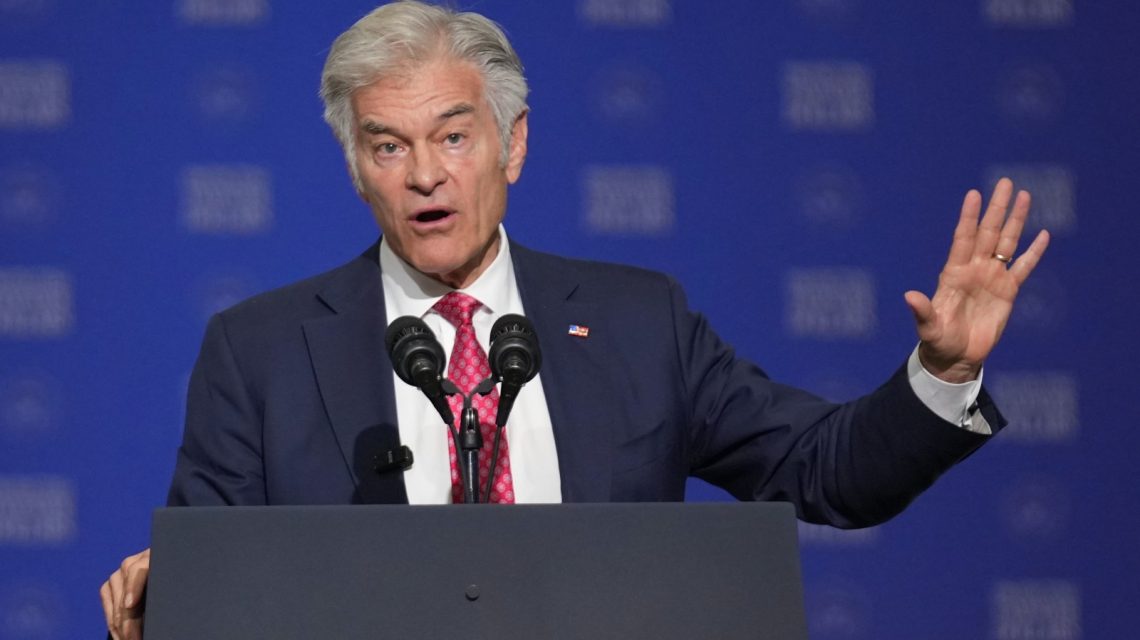
Dr. Mehmet Oz’s Response to Vaccine Concerns
Dr. Mehmet Oz, the administrator of the Centers for Medicare and Medicaid Services, addressed the controversy surrounding the measles, mumps, and rubella (MMR) vaccine on CBS News’ Face the Nation. His remarks responded to President Donald Trump’s recent executive order aimed at altering vaccine recommendations.
Oz emphasized that the MMR vaccine is not lethal, contradicting Trump’s claim that combining the shots could be harmful. He noted that while countries like Japan offer separate measles and rubella vaccines, the combined MMR vaccine remains effective and safe worldwide.
Public Health Context and Concerns
The discussion comes as vaccination rates decline across the U.S. Federal health authorities stress the importance of maintaining high immunization coverage, with the Centers for Disease Control and Prevention (CDC) highlighting that only 92 percent of U.S. kindergarteners received the MMR vaccine last year. This figure is below the 95 percent needed for herd immunity.
Currently, the U.S. faces its highest number of measles cases in over three decades, with 2,777 confirmed cases nationwide by August 20, according to the CDC. Amid this resurgence, experts maintain that the MMR vaccine is safe and superior to separate shots, with no proven link to autism, despite Trump’s suggestions.
Trump’s Executive Order on Vaccine Scheduling
The executive order directs the Department of Health and Human Services to separate the MMR vaccine into three individual shots when manufacturing becomes feasible. It also proposes spacing out all childhood vaccines in separate appointments.
This order raises concerns among public health groups, as evidence does not support the new guidance during a measles outbreak. Senator Bill Cassidy criticized the order, fearing it could worsen vaccine hesitancy and delay protection for children.
Availability of Individual MMR Shots
Currently, single-antigen MMR vaccines are not available in the U.S., with no plans for production announced by manufacturers. The CDC’s vaccine schedule has not changed, recommending combined MMR shots at specific age intervals. State health departments advise following existing CDC guidelines due to the ongoing measles outbreak and the proven efficacy of the MMR vaccine.
The response from health officials underscores the ongoing debate surrounding vaccine policies and their implications on public health.
 Understanding School Shooting Preparedness Drills
  Federal Relief Funds Used for Anti-Racism Training in Albuquerque Schools
  Concerns Over Food Safety and Its Impact on Families
  Concerns Rise Over NIPSCO Permit In Jasper County
  Debate on Integrating Race into BMI Guidelines Among Doctors
  Hunger Crisis Deepens in Chicago, Reveals Latest Report