Recently, discussions have emerged around the ideal indoor temperature settings for air conditioners as the U.S. Department of Energy’s guidance on the topic seems to have been removed. This advisory recommended maintaining indoor temperatures between 75 and 78 degrees Fahrenheit during the summer months. The disappearance of the webpage follows urging by New York City Mayor Zohran Mamdani for residents to adopt similar thermostat settings to ease pressure on the city’s power grid.
Contents of the Missing DOE Page
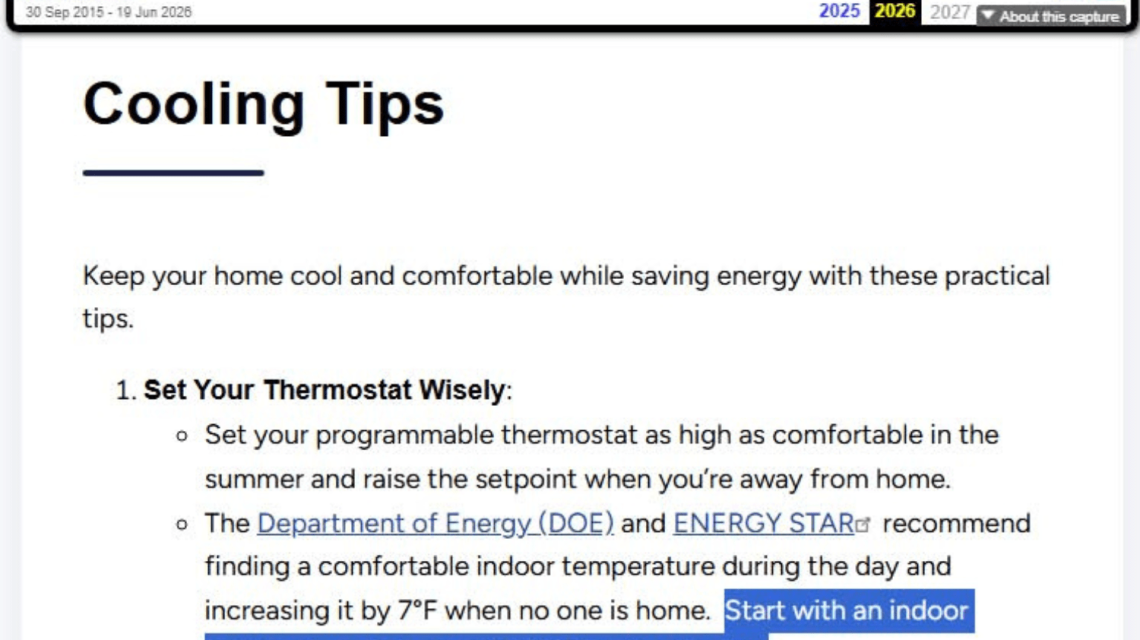
The now-unavailable page was part of the Energy Saver guidance provided by the Department of Energy. The document offered strategies for conserving energy while ensuring home comfort during hot weather. According to archived pages, it advised residents to set thermostats ‘as high as comfortable’ during summer. It also recommended increasing the temperature by 7°F when no one was home.
This advisory accompanied other energy-saving tips such as improving home weatherization, using window coverings, maintaining air conditioners, and installing programmable thermostats.
Significance of the Timing
The removal of the page has gained notice because it coincides closely with Mayor Mamdani’s call for New Yorkers to set air conditioners at 78 degrees during a period of severe heat. The National Weather Service cited a ‘significant and dangerous heat wave’ impacting vast areas of the country.
Mamdani’s statement reinforced the importance of energy conservation, saying, ‘Set your AC to 78 degrees, turn off lights/electronics you’re not using, and unplug what you can.’ This was part of a larger effort to stabilize the power grid in the city, with both public and private sectors being urged to comply with similar energy-saving measures.
Political Reactions
The recommended temperature settings sparked criticism from conservative lawmakers. Senator Rand Paul and others labeled the advice as ‘socialism’ or ‘communism,’ taking to social media to voice their disapproval. On the other hand, records indicate that similar energy-saving appeals have been made in states like Texas, irrespective of political ideology.
Extreme Heat Warnings Across the States
The conversation on optimal thermostat settings occurs as many areas face an intense heat wave. Extreme Heat Warnings have been issued for 26 states and Washington, D.C., with some regions anticipating heat index levels reaching 115 degrees. Major cities like New York, Philadelphia, and Boston have reported record-high temperatures along with disruptions in power and public services.
While it’s unclear whether Mamdani’s comments influenced the removal of the Department of Energy page, the historical guidance aligns with the temperature range he suggested. Questions remain about the intention behind the page’s removal and whether the department plans to update its cooling guidelines.
 Impact of El Niño on Global Food Prices and Agricultural Commodities
  Pacific Hurricanes Pose Flood Risk to Southern California
  Potential Agreement on Permitting Reform
 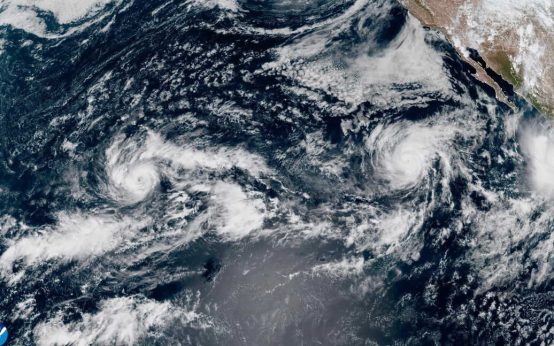 Hurricane Season: Divergent Trends in the Atlantic and Pacific Oceans
 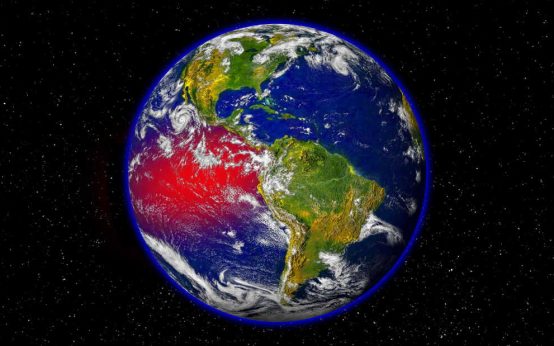 Understanding the Impact of a ‘Super’ El Niño
 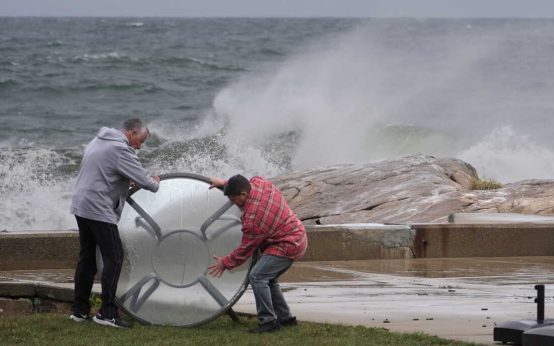 Nor’easter Hits Mid-Atlantic and New England; Hurricane Nolo Advances on Hawaii