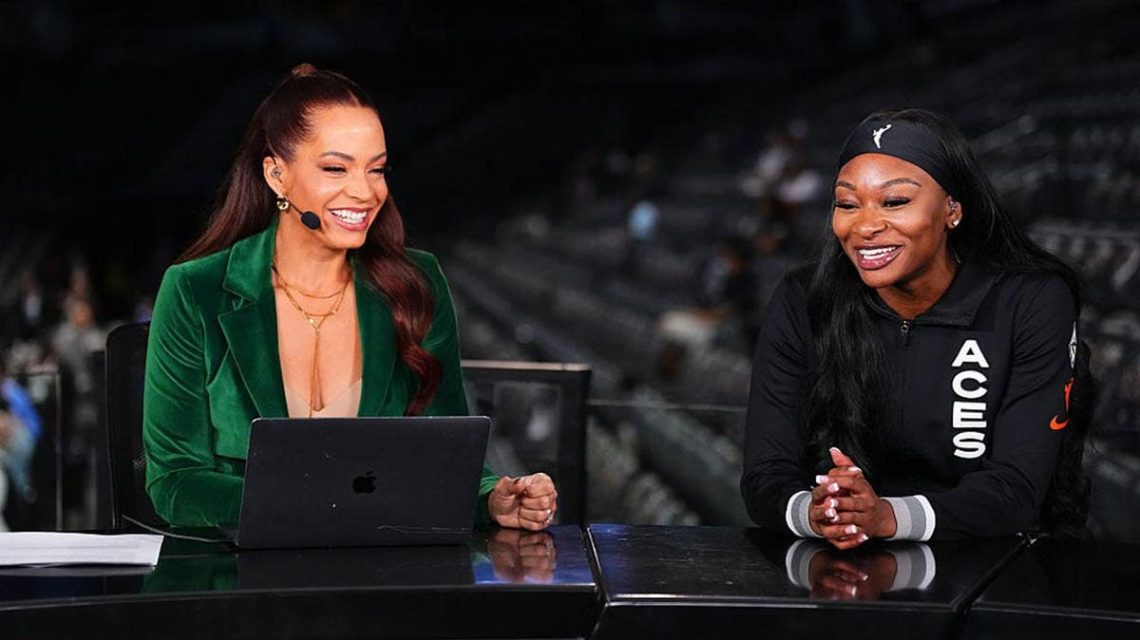
Former ESPN anchor Elle Duncan criticized the conversation around the WNBA, calling it "toxic as hell." She claimed that Black women are often the targets in such discussions. Duncan expressed her views during a talk with Front Office Sports, saying, “It feels like open season to dunk on Black women because we do not have protection. Because no one cares. Because we are low-hanging fruit.” She added that Black women, outside of transgender individuals, are among the most marginalized groups.
Duncan accused "opportunists" of exploiting Caitlin Clark to undermine Black and queer women. According to her, this approach allows people to elevate one individual while diminishing everyone else. She felt this was a common strategy used against marginalized communities.
Elle Duncan has a history with ESPN, where she was hired after a DUI arrest in 2013. During her tenure, she made several political statements on the network. She reportedly influenced decisions behind the scenes, such as the removal of Sage Steele from a social justice special due to Steele’s perceived “Blackness.” Duncan also used her platform to protest legislation, including a call for a moment of silence in response to Florida’s "Don’t Say Gay" bill and expressing her disapproval of the Supreme Court’s decision on abortion rights. Despite her outspoken nature, ESPN did not discipline her, which Duncan interprets as a form of protection.
Duncan’s career progression has continued as she currently anchors sports coverage for Netflix. Critics argue that her statements on the protection of Black women do not align with her personal experiences of advancement within major media organizations.
The WNBA, with its majority Black representation, has had its share of controversies. Instances involving players like A’ja Wilson and DiJonai Carrington highlight this complexity. Wilson charged at a fan but faced no suspension, and Carrington avoided discipline after a physical altercation. When Black women criticize the WNBA, the media often extends them the benefit of the doubt, contrary to Duncan’s claims. ESPN’s WNBA show is led by a panel composed entirely of Black women, which some say applies different standards to players like Clark compared to Black athletes.
Caitlin Clark, a White player from Iowa, brought unprecedented fame to the WNBA. Her popularity sparked discussions about race and privilege, particularly among Black players and media figures. Duncan’s approach to discussing Clark wasn’t neutral; rather, she touched on issues of supposed racism linked to Clark’s followers. Duncan’s comments about Clark have continued since she joined Netflix.
There was an incident where Duncan suggested Clark was partly responsible for a controversial column connecting Clark’s silence with potential risks to Black women. This framing of Clark’s success through the lens of privilege and race undeniably fueled divisions. Critics argue that Duncan and other media figures are responsible for the very discourse they now attempt to condemn.
Duncan and others have been instrumental in defining the toxic narrative around the WNBA, contributing more to its controversies than the subjects of their criticism, like Clark and her fans. They have portrayed themselves as victims, while also being active participants. As discussions about the WNBA continue, the focus often shifts to race and privilege, overshadowing what could be positive advancements in women’s sports.
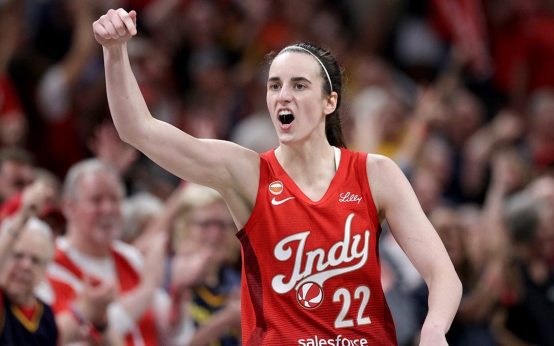 Caitlin Clark Boosts WNBA Viewership in 2026 Season
 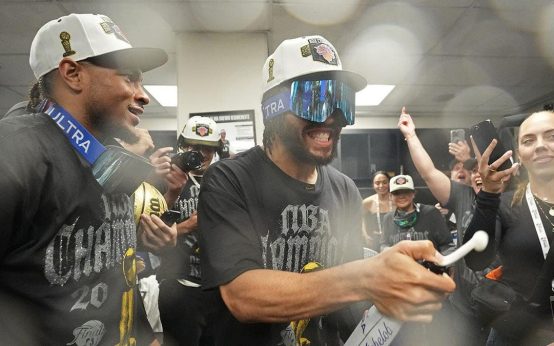 NBA Season Preview: Championship Predictions and Betting Insights
 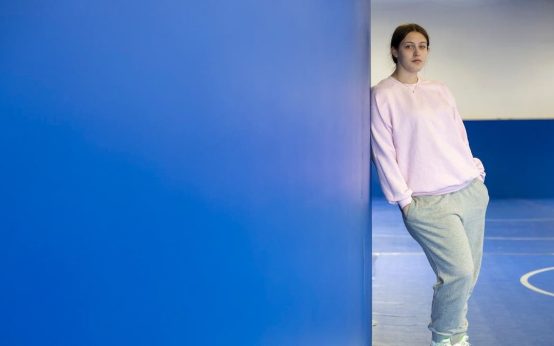 Teen Wrestler Seeks Emergency Supreme Court Relief Amid Controversy
  Oregon High School Football Coach Let Go After Controversial Game
  Philadelphia Phillies Confirm Don Mattingly as Permanent Manager
  Ava Calle Proves Height Doesn’t Measure Skill