Throughout history, prominent business figures have had to publicly defend their products, which though profitable, later showed societal harm. These moments of defense often reveal their surprise as they express regret or extol their work’s benefits.
For instance, Snap’s co-founder Evan Spiegel faced lawsuits over Snapchat’s detrimental content exposure to children. During a Senate Judiciary Committee hearing in January 2024, Spiegel expressed deep sorrow for the misuse of Snapchat and advocated for legislative protection for children online.
Public concern is mounting over artificial intelligence’s (AI) impact. This includes opposition to data centers’ resource consumption, with some political consequences. In Independence, Missouri, a city councilman lost a recall vote mainly due to supporting a data center.
This year, 375 state bills related to data centers aim to curb their expansion, signaling a shift from previous legislative encouragement through incentives.
Meta Platforms, under Mark Zuckerberg, settled for $17 billion over allegations of inadequate protections for young users against online predators. While not admitting fault, Meta must implement policies to address these concerns.
Technology leaders like Sam Altman and Zuckerberg, initially hailed for their innovations, now find themselves scrutinized. Historically, business moguls have transitioned from public acclaim to criticism as their actions conflicted with public interests.
The transcontinental railroad exemplifies this pattern; celebrated initially, it later drew criticism for favoring the wealthy, as Henry George warned in 1868.
Cornelius Vanderbilt’s monopolistic actions further illustrate the shift from benefactor to criticized capitalist. His comment about ignoring shivering passengers to play a game epitomizes this detachment.
Financial scandals also marred the railroad industry, with Crédit Mobilier symbolizing corruption. Subsequent investigations revealed plutocratic abuses, like the 1912 Pujo investigation targeting J. Pierpont Morgan.
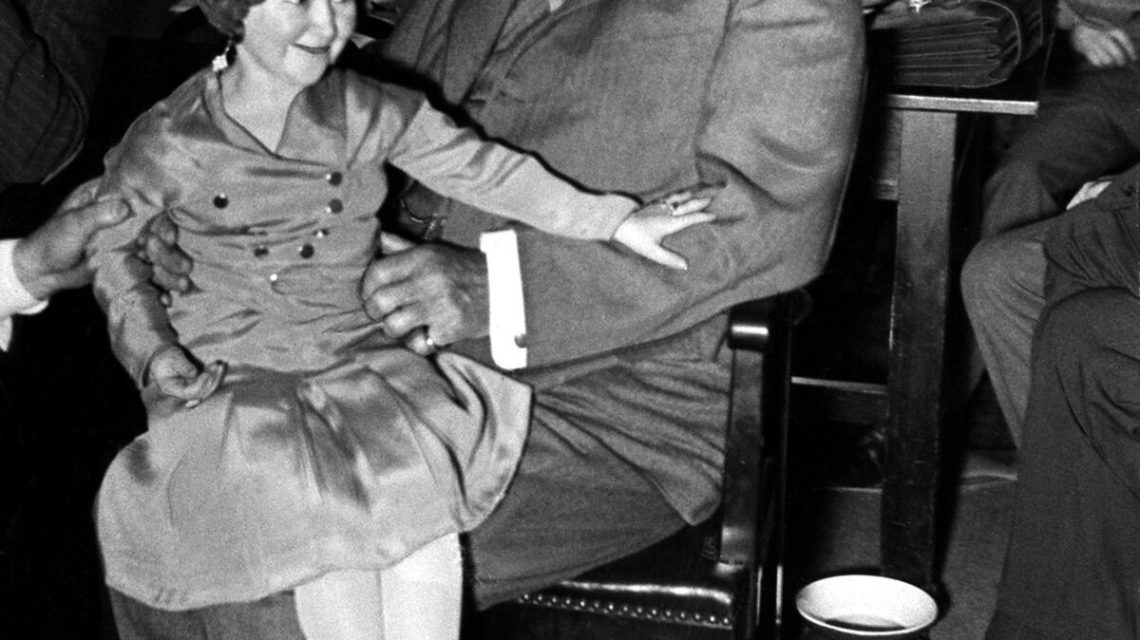
Samuel Untermyer’s questioning of Morgan exposed industrial ties and influenced his subsequent demise amidst fear of further probes. The 1933 investigation by Ferdinand Pecora into the 1929 crash targeted Charles E. Mitchell, exposing banking malpractice.
Pecora unveiled that National City Bank misrepresented risky investments as secure, leading to public rebuke.
While Mitchell avoided criminal conviction, he faced substantial fines. Pecora’s findings, such as the incident involving J. Pierpont Morgan Jr., highlighted public relations missteps that diminished Morgan’s reputation.
Recent financial probes, like the Financial Crisis Inquiry Commission’s examination of the 2007-2008 meltdown, faced public indifference, signaling a decreased accountability impact.
Currently, there is growing public skepticism of tech executives’ self-proclaimed societal contributions. Disparities between promises and outcomes fuel this scrutiny. AI, intended to reduce labor, has complicated life.
Figures like Elon Musk receive criticism for controversial statements and poor agency management, per the Government Accountability Office. The amplified wealth of today’s executives and their political spending raise public unease about their objectives.
President Trump’s and Republicans’ support of cryptocurrency and AI leaders entail household burdens nationwide.
Rising scrutiny may herald a new era of corporate accountability. Although history doesn’t repeat verbatim, its patterns, as echoing through time, suggest potential shifts in public sentiment and oversight.
 American Tariff Rebate Act Introduced by Rep. Valerie Foushee
  Data Centers in Virginia face Growing Opposition
  The War on Poverty: A Lesson on Intentions and Outcomes
  Reporters Blocked from White House by Trump Administration
  Texas Leads Air Taxi Innovation with Project Nexus
  Universities Should Reject Political Influence on Research Funding