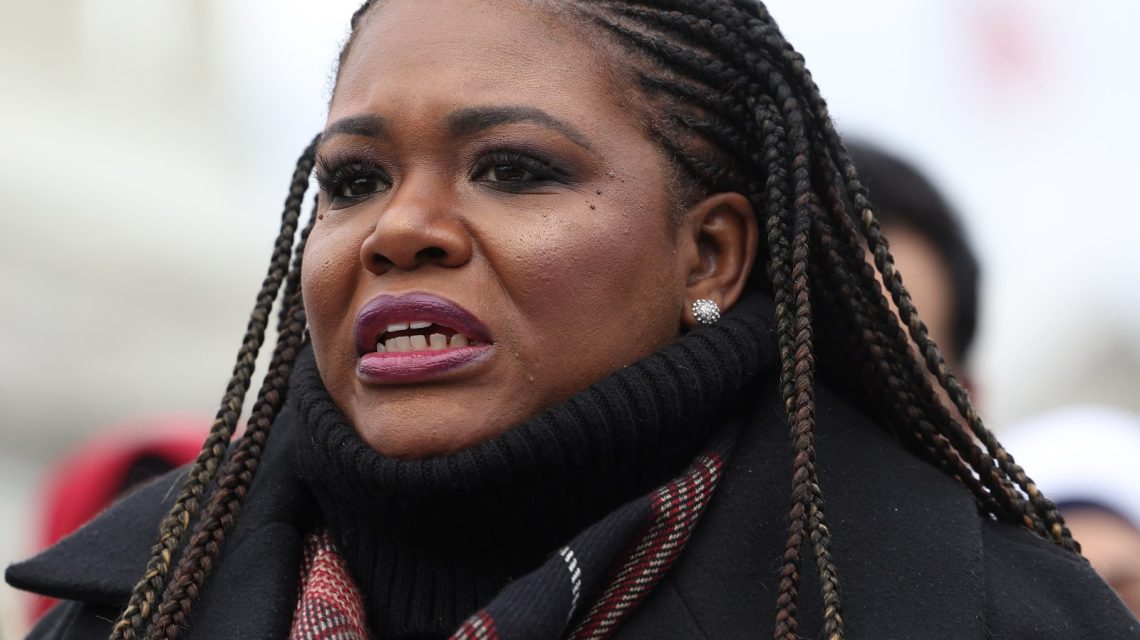
Cori Bush, once allied with the progressive group known as the “Squad” during her congressional tenure, is attempting a political resurgence in Missouri. She faces off against Representative Wesley Bell, who defeated her in a heated primary in 2024. Missouri voters will cast their ballots on August 4 for the statewide primaries before the November midterm elections. This election will test the progressive movement in St. Louis following recent successes in regions like New York City, Philadelphia, and Denver.
In Missouri’s 1st District, a rematch between Bell, a moderate, and Bush, who served from 2021 to 2025, will occur. Bell, a local prosecutor, unseated Bush two years ago, backed by substantial outside spending, notably from the American Israel Public Affairs Committee’s (AIPAC) United Democracy Project. Bell criticized Bush’s opposition to a bipartisan infrastructure bill during that race.
Progressive supporters of Bush hope for a changed political climate since 2024. The Democratic electorate is increasingly disillusioned with the party establishment’s approach to former President Donald Trump, opting more for progressive candidates. This primary will serve as a barometer for Democratic voters’ sentiments preceding the midterms.
Cori Bush vs. Wesley Bell: What Polls and Prediction Markets Indicate
Limited polling on this St. Louis-based district exists. Only one Bush internal survey has been publicized, conducted by HIT Strategies. It suggested Bell having a slight edge, with 44 percent to Bush’s 40 percent, while 17 percent remained undecided. Favorability among voters showed Bush slightly ahead, with a 52 percent positive view compared to Bell’s 45 percent. This poll involved 401 likely Democratic primary voters from February 19-23, featuring a margin of error of plus or minus 5.4 percentage points.
Prediction markets lean towards Bell for the primary win. On Kalshi, Bell held a 59 percent win probability, while Bush’s was at 40 percent. This contrasts a month ago, when Bush led with a 53 percent chance to Bell’s 45.1 percent. Polymarket reflected a 64 percent win probability for Bell.
These markets, involving real-money wagers on political outcomes, reflect trader perceptions but are not always accurate future predictors. In such a strong Democratic district, the primary victor is predominantly expected to triumph come November.
Progressives Rally Behind Cori Bush
Bush garners support from influential progressive figures and groups. Vermont Senator Bernie Sanders and Michigan Representative Rashida Tlaib have endorsed her campaign. Furthermore, the organization Justice Democrats backs her as well.
Bell, conversely, has House leadership support, including Minority Leader Hakeem Jeffries. AIPAC has also renewed its backing of Bell, identifying him as a “Pro-Israel Incumbent.”
Bell’s 2024 Victory Over Bush: A Change in Dynamics?
In 2024, Bell’s victory over Bush marked one of the most expensive House primaries. AIPAC invested over $8 million against Bush, a progressive Squad member opposing U.S. military aid to Israel following the October 7, 2023, Gaza operation by Hamas. She was one of two progressives to lose that year, alongside New York’s Jamaal Bowman.
Bush criticizes Bell’s AIPAC ties as Democratic views on Israel shift. While 58 percent of Democrats viewed Israelis favorably in 2024, current figures from a Pew Research Center survey show only 43 percent. Favorability towards the Israeli government has decreased from 24 percent to 16 percent since then.
In a campaign commercial, Bush asserts achievements in Congress, highlighting record funding, housing stability efforts, and opposition to Gaza’s conflict. Bell counters Bush as “not a serious candidate,” emphasizing a commitment to St. Louis over Bush’s purported self-focus.
Both candidates share involvement with the Black Lives Matter movement; Bush as an activist and Bell as a prosecuting attorney and Ferguson City Council member.
Progressives Gain Ground in Primaries
Progressive candidates have achieved notable wins during midterm primaries. In New York, Claire Valdez secured an open seat formerly held by Nydia Velázquez, who chose not to run again. Incumbents Dan Goldman and Adriano Espaillat both lost to progressive challengers Brad Lander and Darializa Avila Chevalier, respectively.
In Colorado, Democratic socialist Melat Kiros defeated Diana DeGette in a Denver-based district. Progressive Chris Rabb in Pennsylvania, Adam Hamawy in New Jersey, and Frederick Haynes III in Texas also won their primaries, positioning them as favorites for November victories due to their district demographics.
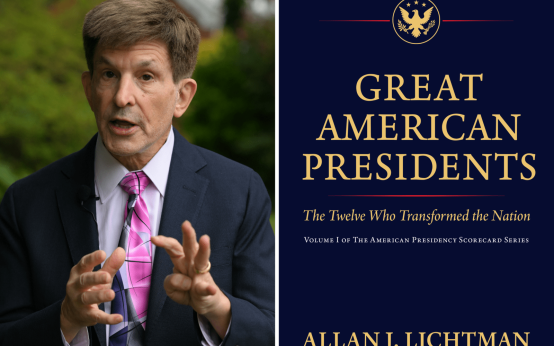 Allan Lichtman’s Framework for Assessing Presidential Greatness
 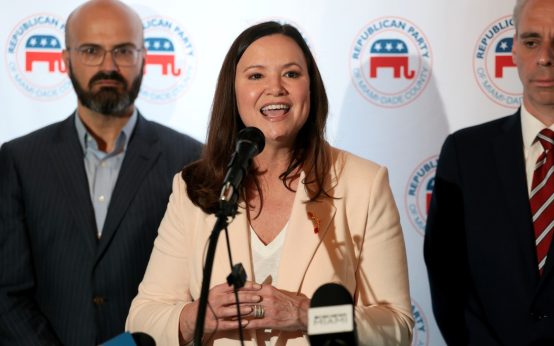 Florida Senate Race Tightens as Recent Polls Show Dead Heat
  Ethics Complaint Targets Colorado Representative Lauren Boebert
 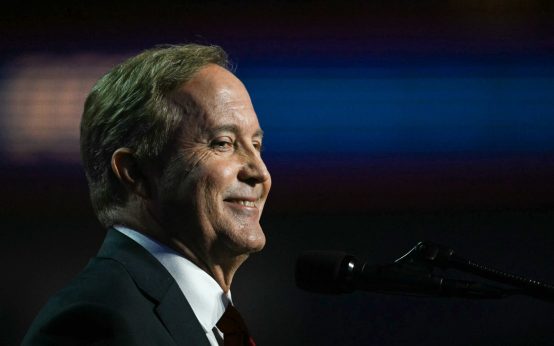 Ken Paxton’s Campaign Funding and Polls
  Inside the Secret Deals Powering the President’s Push to Deport Migrants to Countries Not Their Own
  Independence of Research from Political Agendas