Japan’s Imperial Succession Controversy
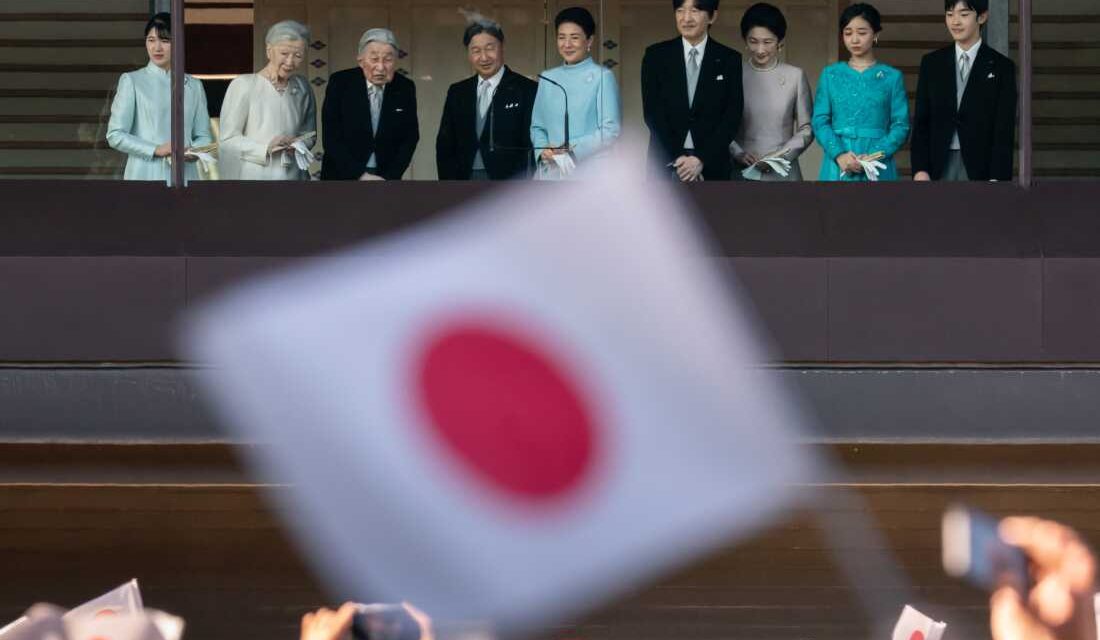
In 2019, Emperor Naruhito of Japan was showcased to the world at the Imperial Palace in Tokyo, marking a significant ceremonial moment. However, a more recent event involving Japan’s hereditary monarchy has stirred debate. The upper house of Japan’s parliament has approved revisions to the succession law aimed at maintaining the monarchy’s public duties amidst dwindling family numbers. Yet, critics, such as Seiichiro Noboru, a former Japanese diplomat, argue these revisions aim to prevent female emperors.
Maintaining political stability and public support for Japan’s constitutional monarchy is crucial as the nation pursues its military agenda and positions itself as a defender of a rules-based international order. The revisions enable princesses to stay in the imperial family even after marrying a commoner and allow the adoption of male-line descendants from former branches of the imperial family.
The Succession Debate
While princesses can remain in the royal family post-marriage, they cannot inherit the throne. Adopted males, originally commoners, are also excluded from throne inheritance, but their male offspring could be eligible. Currently, Prince Hisahito, nephew to Emperor Naruhito, represents the last young heir, contributing to concerns about the imperial family’s future.
“The crucial point is that if a female emperor were recognized, we wouldn’t need to resort to such a complex adoption line,” argues Noboru.
Princess Aiko’s Influence
Princess Aiko, Emperor Naruhito’s 24-year-old daughter, emerges as a popular candidate for reforms. With a literature degree and full-time commitment to the Japanese Red Cross Society, she enjoys public popularity. Polls indicate strong support for female emperors, with 60% to 90% in favor.
Contrarily, Japan’s first female Prime Minister, Sanae Takaichi, asserts that maintaining the male imperial line is critical for the emperor’s legitimacy, despite historical precedents of female emperors.
Historical Context
The exclusion of females from succession commenced in 1889 with the Meiji government’s Imperial Household Law. The law reflected the era’s view of male emperors as military leaders and patriarchs, while women faced legal limitations on property and contracts. Concubines served as a solution to ensure heirs, given issues of infertility and mortality. A 2005 advisory panel described almost half of Japan’s emperors as born illegitimately to concubines.
Constitutional Debate
Noboru argues that the exclusion of women from the throne today breaches constitutional rights against gender discrimination. The constitution specifies that the emperor’s role is symbolic, determined by public will. The government’s actions might contradict prevailing public opinion. Emperor Naruhito acknowledged this issue carefully, expressing hope for public understanding in discussions about maintaining sufficient imperial family numbers.
Chie Kobayashi contributed to this report from Tokyo.
 Concerns Over Russia’s Biological Weapons Programs
  Russian Strikes Result in Casualties Amid Diesel Deal Controversy
  Cartel Dynamics Shift Amid Changing Political Landscape
  Investigating France’s Student Protests: A Web of Far-Left and Socialist Influences
  Recovery of Stolen Renoir Paintings
  Washington’s Strategic Choices Amidst Gulf Tensions