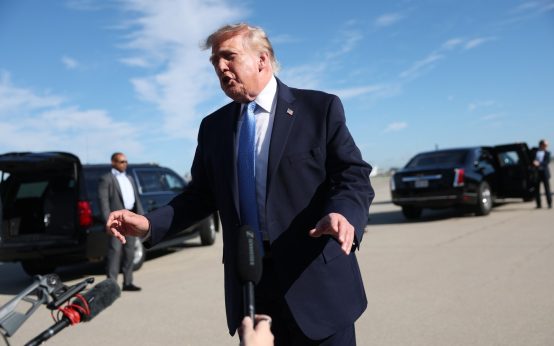
Recent information has surfaced about pro-Trump television advertisements endorsed by the U.S. Government. According to AdImpact, these ads have appeared with the disclaimer “Paid for by the U.S. Government,” sparking debate over the administration’s use of public funds.
The initial ad highlighted Trump’s stance against socialism, communism, and Marxism. Another ad reiterated parts of his July 4 speech at Mount Rushmore. A third ad mirrored a campaign ad from Trump’s 2024 presidential bid, urging the public with strong language about removing “the deep state” and opposing “globalists” and “communists.”
This raises questions, especially given simultaneous military actions, such as the conflict with Iran, which contradicts claims of expelling “warmongers.” Sagar Enjeti, a former host of Rising, commented: “Did I really just watch a US Government paid ad of Trump saying he drove warmongers out of Washington?” These concerns reflect the complex narrative around government spending on these promotions.
Criticism has emerged from within the Republican Party. Senator John Kennedy from Louisiana expressed his disapproval on CBS’s “Face the Nation,” stating public officials, including Trump and others, should refrain from using governmental funds for private ads.
The White House argues these are merely “public service announcements,” designed to inspire patriotism without any direct call to action. However, ethics specialists have voiced legal anxieties. Richard Painter, a former White House ethics lawyer during George W. Bush’s administration, described the expenditure as potentially constituting “abuse of power” and possibly “an impeachable offense.”
Another legal aspect under scrutiny is the Hatch Act of 1939, which restricts governmental employees from engaging in political activities in their official roles. Although the President is not bound by this Act, involvement of government staff in the production or dissemination of these ads could be illegal.
Despite the President’s exemption from some legal limits, ethics experts and critics argue that taxpayers should not finance promotional efforts aimed at influencing votes or advancing the President’s political agenda. The controversy highlights ongoing discussions about the boundaries of political advertising and fiscal responsibility.
 Controversy Surrounds U.S. Government-Funded Advertisements Under Trump Administration
  Navigating Global Challenges: Trump’s Legacy and Crisis Management
  Analyzing Oregon’s Wildfire Crisis and Its Implications
  Kansas Senate Race: Hamilton Criticized for Climate Views
  Trump Administration Targets H-1B Visa Use to Protect American Workers
  Controversy Over Proposed MLB Stadium in Grand Teton National Park