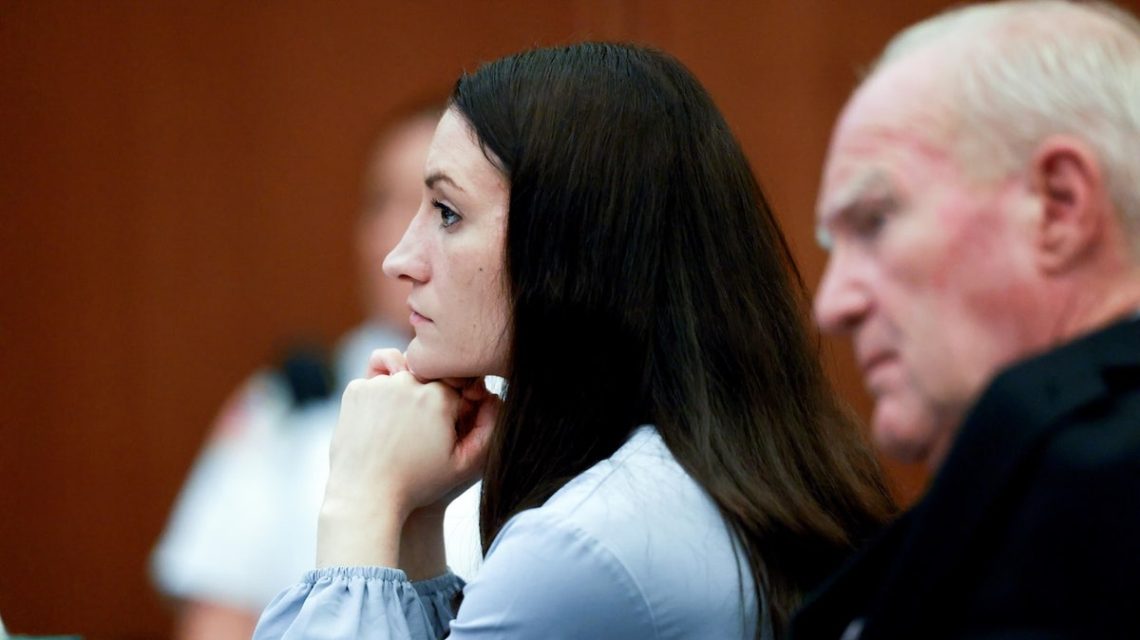
The trial of Lindsay Clancy has garnered significant attention due to the complexities surrounding the case. Clancy, 36, faces charges of first-degree murder for the deaths of her three children, Cora, Dawson, and Callan, who were found strangled at their home in January 2023. Her defense attorney argues that Clancy was suffering from postpartum psychosis at the time.
Jury Dynamics and Sympathy
Testimony in the trial is set to conclude shortly, with closing arguments expected soon. The jury, consisting of 12 women and six men, presents an interesting dynamic. Only 12 jurors will deliberate, with the remainder serving as alternates who will be dismissed before deliberations.
Tommy Pope, a South Carolina lawmaker who prosecuted Susan Smith in a similar case, suggests that women on the jury might be less sympathetic to Clancy than assumed. According to Pope, many women have overcome postpartum challenges and may not find Clancy’s defense compelling.
Physical Condition and Juror Perception
Clancy’s physical condition complicates the prosecution’s task. She is in a wheelchair, which might influence some jurors, leading them to perceive her as already punished. Pope notes this could particularly affect male jurors.
Postpartum Psychosis Argument
Prosecutors are challenging the defense’s psychosis argument. Gregory Saathoff, a forensic psychiatrist, finds Clancy’s self-reported auditory hallucinations unusual, particularly her claim that voices stopped after she strangled her youngest child.
Psychologist Kirk Heilbrun testified that individuals experiencing command hallucinations can sometimes conform their actions to legal standards, further questioning the psychosis defense.
Defense and Public Reaction
The defense has called experts to argue Clancy’s lack of criminal responsibility. Dr. Phillip Resnick described Clancy’s experience as feeling like a puppet under command hallucination.
Outside the courtroom, supporters of Clancy emphasize the trial’s exposure of mental health system gaps. One supporter highlighted the lack of postpartum information provided to new mothers.
This trial raises questions about mental health support, especially regarding postpartum challenges. Observers hope for more awareness and better mental health resources for women.
 Juror’s Stand Leads to Mistrial in Lindsay Clancy Case
  Maryland Parents Arrested After Infant’s Death with Severe Injuries
  Jury Deliberations in Lindsay Clancy’s Murder Trial Stir Controversy
  Surrogate Resists Abortion, Appeals to Supreme Court in Legal Dispute
  Inmates File Lawsuit Over Fires and Smoke in D.C. Jail
  Former CIA Chief Subpoenaed in Justice Department Investigation