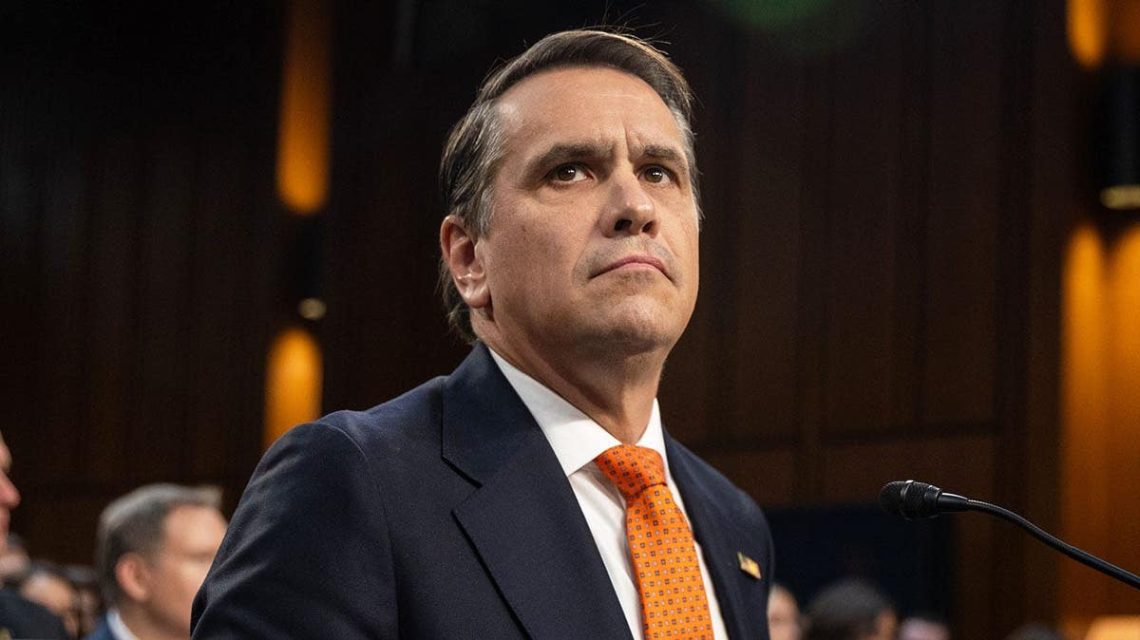
Colorado’s Battle Over In-State Tuition
Governor Jared Polis of Colorado is standing firm in his defense of the state’s policy to offer in-state tuition to over 6,000 illegal immigrants. Despite facing a lawsuit from the Department of Justice (DOJ), Polis explained the state’s rationale on ‘Fox & Friends Weekend.’ He emphasized Colorado’s autonomy in defining residency for tuition purposes and clarified that these students do not benefit from federal financial aid.
The Broader Debate
The discussion also touched upon larger political issues, including the rise of socialism and antisemitism within the Democratic Party. The controversy aligns with broader national efforts to combat illegal immigration. Recently, the Justice Department warned states they might lose substantial welfare funding unless they report known illegal migrants to federal authorities.
The DOJ noted this move is part of enforcing President Donald Trump’s stricter illegal immigration policies.
Previously, the reporting requirement was limited to agencies directly managing welfare programs, but the new opinion from the DOJ’s Office of Legal Counsel requires all state agencies to comply.
Impact on State Agencies
Historically, only agencies administering welfare program funds were obligated to report illegal migrants. Other state bodies, like colleges and motor vehicle departments, were exempt. The recent shift demands broader compliance, threatening potential legal challenges from states. The DOJ cautioned that non-compliance could result in losing substantial welfare funding.
Federal Pressure on States
President Trump’s administration has maintained an aggressive stance on both illegal and legal immigration. Strategies include deploying federal agents for raids and collaborating with local law enforcement. The DOJ’s policy change could intensify pressure on Democrat-led states, which have resisted federal immigration enforcement.
These efforts are part of a broader administration strategy to curb immigration through various means. Legal challenges are inevitable; states have already contested DHS’s efforts to gather personal information from program recipients such as Temporary Assistance for Needy Families.
National Implications
All 50 states and Washington, D.C., participate in the programs affected by the reporting requirements. Federal grants for Temporary Assistance for Needy Families exceed $16.5 billion annually, while Supplemental Security Income tops $60 billion. Illegal immigrants do not qualify for these programs.
The dispute embodies the ongoing tensions surrounding immigration policy and enforcement strategies. Colorado’s position is a significant focal point in this complex debate.
 Public Support for Supreme Court Remains Amidst Declining Trust
  Understanding School Shooting Preparedness Drills
  Celebrating Diversity at Valparaiso’s World Cultural Festival
 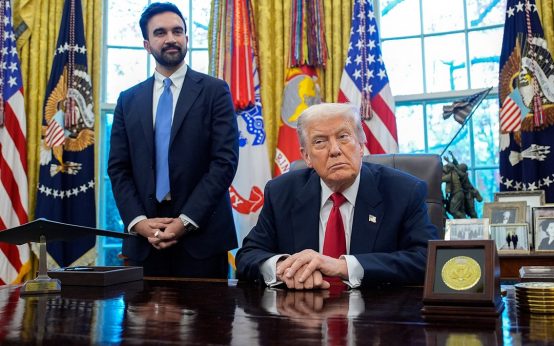 President Trump and Mayor Mamdani: Testing a Complex Relationship
  Democratic Congressman Endorses Republican Colleague for Reelection
  Preparing for Careers in the AI Age and Evaluating Colleges