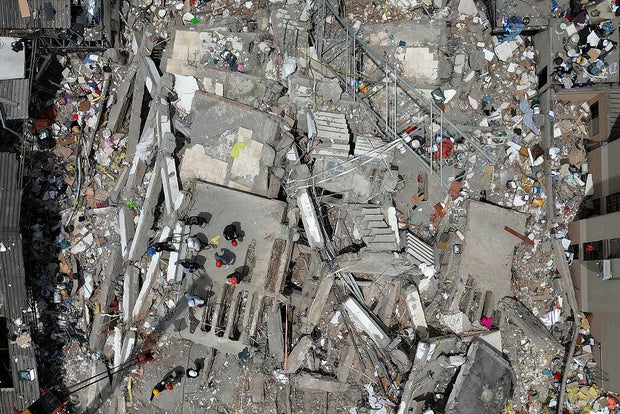
As aid from regional partners began arriving in Colombia on Wednesday, efforts intensified to find survivors of a massive earthquake. The disaster razed buildings, buckled roads, and destroyed vehicles, challenging President Abelardo de la Espriella and his government to respond swiftly.
President de la Espriella reported that as of Wednesday evening, the 7.4 magnitude earthquake, which struck western Colombia on Monday, claimed at least 265 lives. While government reports indicated nearly 500 people were missing, other databases suggested the figure could exceed 4,100. Over 25,800 families were affected.
“Our efforts are focused on the disappeared,” de la Espriella stated in a press briefing. Aerial footage showed rescue teams working in cities like Cali, Pereira, Manizales, and Quibdo. These initial hours are critical for rescuing survivors. Rescue missions remained hopeful, especially in light of reports promising signs of life under the debris.
Cali Mayor Alejandro Eder informed that rescue teams were still discovering survivors, emphasizing the urgency. “The next 20 hours are the most critical to find and rescue people alive,” he remarked. In one instance, a baby was rescued beneath a collapsed building, highlighting the crucial nature of these efforts.
Another dramatic rescue in Pereira saw 32-year-old Daniela Largo extracted alive after a 12-hour operation. Such moments of triumph are juxtaposed with tragedy, as rescue teams also recovered those who perished. Volunteers and rescuers maintained a solemn atmosphere to hear faint signs of life.
In Pereira, volunteers formed human brigades, passing debris hand by hand. During a moment of silence, a Colombian army unit detected signs of life, sparking cheers among hundreds on-site.
Fears of Aftershocks and Displacement
The coffee-growing region, heavily affected by the quake, turned public spaces into shelters for the displaced. Concerns of aftershocks loomed as many families opted to sleep outdoors.
Colombia’s geological service recorded 130 aftershocks. Edith Penagos, staying in a temporary shelter in Pereira, expressed relief over having essentials despite the circumstances.
Rodrigo León Loya, a geosciences professor, cautioned about potential future seismic activities, emphasizing Colombia’s susceptibility due to numerous fault lines.
The quake exacerbated existing challenges in regions like Choco, where poverty and civil unrest persist. Giovanni Rizzo of the Norwegian Refugee Council noted the compounded humanitarian needs.
International Aid Intensifies
Many aid organizations, already active in Choco due to prior agreements and conflicts, swiftly adapted to this new crisis. María José Torres, U.N. resident coordinator in Colombia, highlighted the rapid mobilization of humanitarian workers due to their established presence.
The U.S. pledged over $15 million and deployed disaster response teams. Mexico provided 19.5 tons of food and security personnel, with more resources on standby. Salvadoran President Nayib Bukele committed significant aid, and Pope Leo XIV offered prayers and solidarity.
On August 16, artists including Marc Anthony and Luis Fonsi will perform in a Miami benefit concert, aiding victims of this earthquake and recent Venezuelan disasters.
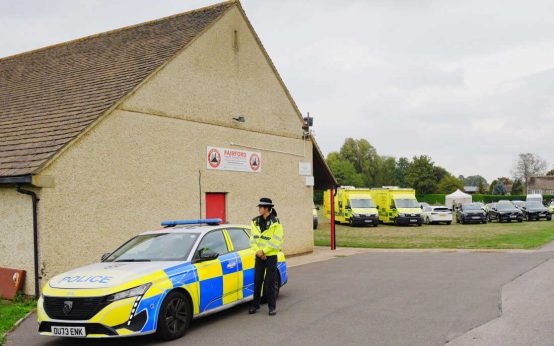 Homes Evacuated Near RAF Fairford in Explosives Investigation
  Hungary’s New Government: Policy Shifts and International Relations
 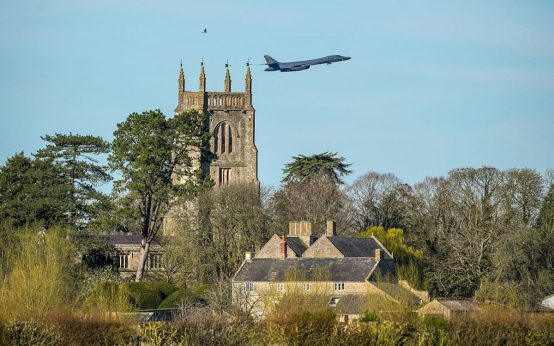 Major Incident Declared Near U.K. Airbase Used for U.S. Military Strikes
  Xi Jinping’s Quest for Global Leadership and Succession Challenges
 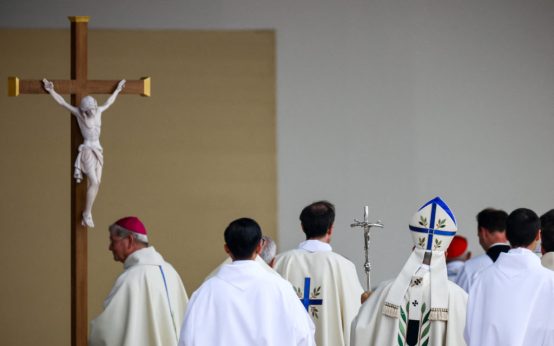 Pope Leo XIV Draws Massive Crowd in Paris, Highlighting Enduring Catholic Influence
  Pacific Hurricanes Pose Flood Risk to Southern California