China conducted a significant military operation recently by test-launching a long-range ballistic missile from a nuclear-powered submarine in the South Pacific. This maneuver has sparked concern among regional countries.
The missile, featuring a dummy warhead, was launched at 12:01 p.m. according to the Xinhua News Agency. The test marks China’s first missile launch in the Pacific since their previous intercontinental ballistic missile test two years ago. Xinhua stated the launch was part of routine training, complied with international law, and was not aimed at any specific nation or target.
This launch is similar to tests conducted by the United States for its ballistic missile fleet. Analysts see it as China asserting its expanding superpower role. Australia, New Zealand, and Japan have expressed disapproval of this action.
New Zealand reported they received advance notice of the launch, which intruded into the South Pacific Nuclear Free Zone established by the Treaty of Rarotonga in 1986. China ratified protocols in 1987 prohibiting nuclear weapon tests and threats in the zone, yet the test proceeded. Foreign Minister Winston Peters voiced concern over China’s actions shortly after being informed.
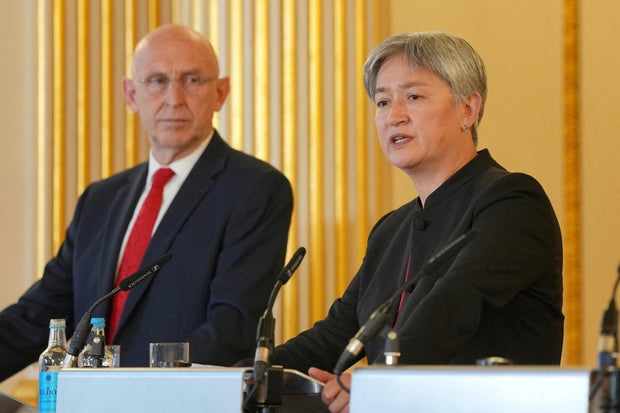
The launch coincided with the signing of a mutual defense treaty between Australia and Fiji. Australia’s Foreign Minister Penny Wong labeled the test destabilizing to the region in comments stated in Fiji.
Japan reacted by urging China to reconsider the test, concerned about potential threats to their security from missile airspace intrusion. Both nations had been in communication prior to the test, as reported by the AFP.
China’s submarine fleet comprises six ballistic-missile submarines and 59 nuclear-powered attack submarines, based on data from the Nuclear Threat Initiative.
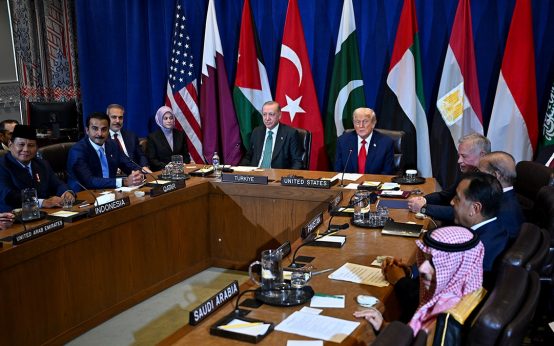 UN General Assembly and Middle East Diplomacy Amid Rising Tensions
  U.S. Secures New Greenland Security Agreement
 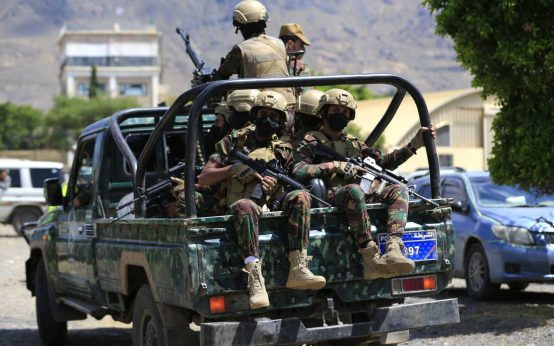 Crisis in Yemen Amid Renewed Conflict
 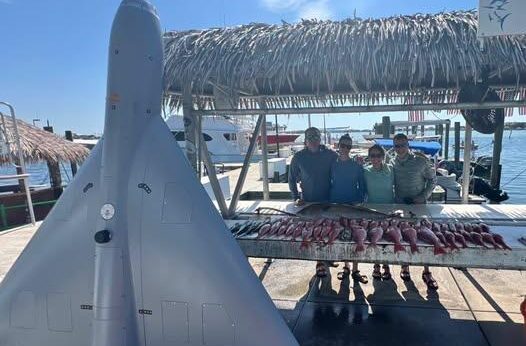 Fishing Expedition Uncovers US Military Drone in Gulf Waters
  Hurricane Polo Threatens Catastrophic Impact on Mexico’s Coast
 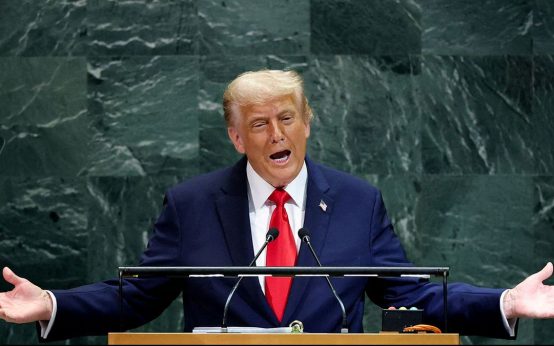 Trump’s Diplomatic Agenda: UN Speech and Global Issues