
China experienced a setback when the Long March 7A rocket carrying the ChinaSat-4B satellite failed due to an anomaly post-launch from the Wenchang launch site in Hainan. The rocket launched at 8:02 p.m. Beijing time (8 a.m. ET), as reported by Xinhua, the state news agency. The mission was deemed unsuccessful, and an investigation is ongoing to determine the cause.
The China National Space Administration has not commented immediately on the incident. Meanwhile, SpaceX CEO Elon Musk noted on X that, “rockets are insanely hard,” and expressed hope for a speedy recovery.
Jonathan McDowell, associated with the Center for Space Environmentalism, observed that launch video showed the rocket was destroyed at low altitude and speed. This means neither the satellite nor debris reached orbit.
This incident marked the Long March 7A’s first failure since its inaugural flight in March 2020, which also failed due to an in-flight issue. The rocket had subsequently completed over a dozen successful launches until this recent event, as per Chinese launch records.
A report from China National Radio, which was later removed from Baidu, named the payload as Zhongxing-4B or ChinaSat-4B, launched on the Long March 7 modified rocket, also known as the Long March 7A. The satellite series includes ChinaSat-4A, launched in 2024, known for voice, data, radio, and TV services. However, specifics regarding ChinaSat-4B’s functions remain unclear.
The Long March 7A serves as a medium-lift rocket for high-orbit missions. The investigation will reveal if the failure involves unique issues with the Long March 7A or requires broader assessments of components, manufacturing, or operations at the launch site.
Blaine Curcio from Orbital Gateway Consulting described the event as unfortunate for the Long March 7A program but noted that the damage appears confined based on current knowledge. The rocket mainly targets high-orbit missions for communications satellites, thus its failure should not disrupt China’s low Earth orbit satellite launch schedule.
Looking ahead, China is preparing for its Chang’e-7 lunar mission from Wenchang. Set for the second half of 2026, observers suggest a potential launch window later this month. Chang’e-7 aims to explore the Moon’s south pole, with a focus on craters possibly containing water ice. The mission will use a Long March 5 rocket, distinct from the Long March 7A, and Curcio believes the recent failure will not significantly impact this mission’s timeline.
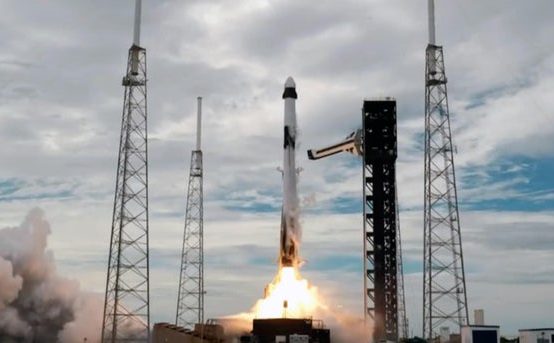 SpaceX Crew 13 Launches to the ISS with International Team
 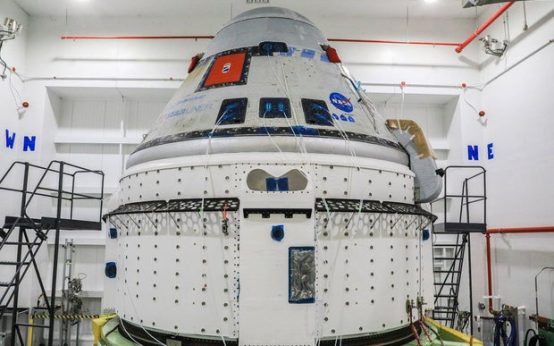 NASA and Boeing Collaborate for Starliner Upgrades
 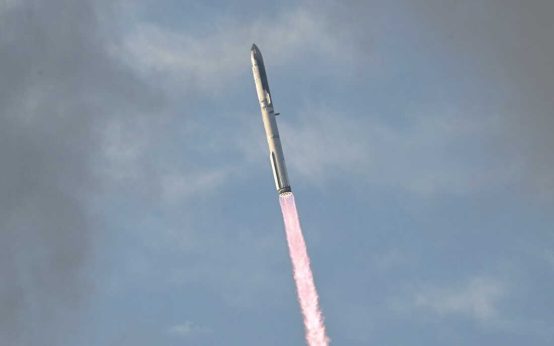 SpaceX Starship Completes Orbital Test Flight and Satellite Deployment
 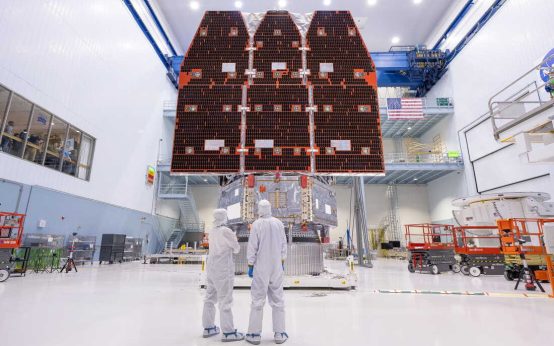 NASA’s Challenges Amid Goddard Space Flight Center Relocations
  Lost City Linked to Jesus Discovered Near the Sea of Galilee
  NASA’s Launch of the Nancy Grace Roman Space Telescope