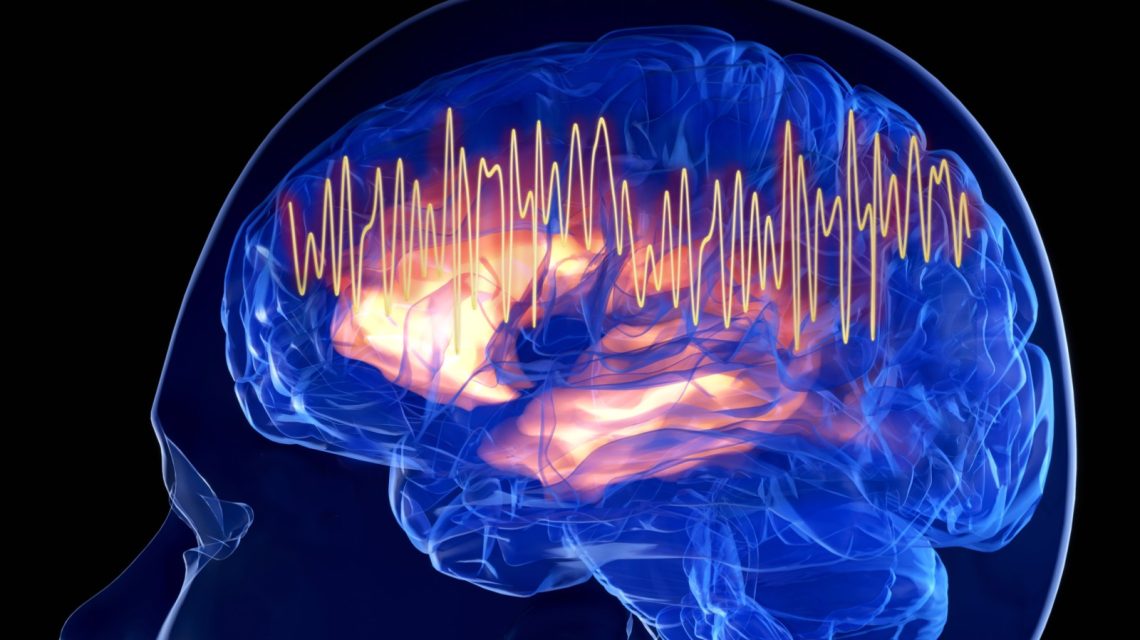
Adults who experienced trauma in childhood may be more likely to feel apathetic later in life, according to new research linking this condition to brain changes affecting memory. Matthew Leahy, a licensed clinical psychologist, noted, “I have been seeing this in my practice for years and the new research supports it.” The findings help reframe apathy in those who have experienced trauma at a young age, highlighting that behaviors seen as laziness or disengagement might involve changes in reward anticipation and response.
‘Inability to Experience Joy or Pleasure’
The study, conducted by Temple University and the University of Oregon, associates childhood trauma with apathy and reduced ability to feel pleasure, known as anhedonia. The Cleveland Clinic describes this condition as “inability to experience joy or pleasure,” leading to numbness and disinterest in hobbies. It is commonly a symptom of mental health issues like depression. The most significant impact was observed in individuals with disrupted hippocampal activity, a brain region linked more to memory than motivation.
How the Study Worked
Researchers surveyed 92 participants—37 men and 55 women—about childhood experiences and their enjoyment of positive events in adulthood. The sample included a higher-than-average number of those prone to anhedonia, though the size is small compared to other reviews.
Participants underwent functional MRI scans that tracked brain activity through blood flow changes. The researchers concentrated on the hippocampus and its connections to areas involved in reward and motivation, such as the ventral tegmental area and nucleus accumbens. They examined resting connections and hippocampal responses during new experiences.
What the Researchers Found
Individuals reporting childhood trauma showed higher apathy, with notable effects in those with weaker connections between the hippocampus and reward-related brain areas. Decreased hippocampal activity and reduced signaling led to greater anticipatory anhedonia, where trauma survivors struggle to anticipate enjoyable experiences. Study co-author Vishnu Murty stated this work is “among the first” to link hippocampal function to apathetic behavior rather than merely memory storage.
The team aims to determine specific hippocampal targets to restore pleasure ability after childhood trauma.
Broadening the Conversation Around Trauma
Leahy explained the findings expand trauma discussions, traditionally focused on fear and anxiety. “We’ve considered trauma in terms of the brain’s threat systems,” he said, “This research shows trauma might also impact motivation and expectations of positive rewards.” Unresolved trauma, according to Leahy, persists subconsciously, influencing world interactions and views.
However, Leahy advised caution when interpreting results, noting fewer than 100 participants and findings reflect associations, not proof of permanent brain alterations.
“Having childhood trauma does not mean someone is destined to develop apathy or anhedonia,” Leahy stated. “It provides a potential pathway for understanding varied responses to early adversity and possibly another treatment target.”
Reference: Murty, V. P., O’Brien, K. J., et al. (2026). Functional integrity of mesolimbic-hippocampal circuits is associated with anhedonia in individuals with early life stress. Journal of Neuroscience. https://doi.org/10.1523/JNEUROSCI.0274-26.2026.
 Predicting Dementia Risk with Advanced AI Techniques
  Nationwide Growth in COVID-19 Infections
  Navigating Leadership in the Value-Based Care Economy
  Challenges and Opportunities for U.S. Biotechnology Leadership
  Choosing the Best Detox Tea for Optimal Health
  New York City’s First Human Case of West Nile Virus in 2026