Before the 2024 election, I met with veteran journalist Jim Rainey to discuss the close race between Kamala Harris and Donald Trump. Polls showed they were neck-and-neck, a worrying sign for Harris. In 2016, polls had shown Hillary Clinton leading, and we know how that ended.
As we talked at Mt. Baldy Lodge, Jim shared that pollsters claimed new methods accounted for underrepresented conservative voters who distrusted legacy media surveys. Yet, despite these assurances, Harris lost by millions in the popular vote and in key battleground states.
Betting Markets Gain Traction
Given this context, it’s no surprise that many are ignoring traditional polls as we approach midterms. Instead, they are turning to betting markets.
Online platforms like Kalshi and Polymarket have changed how people engage with elections. Not only can they bet on sports and entertainment, but also on political outcomes. CNN reported that $1.4 billion was wagered on midterms through these prediction markets. Bettors speculate on outcomes, turnout, and candidate speeches.
Current Betting Trends
Checking Kalshi, $65 million was staked on Congress’s power balance, with Democrats given a 66% chance of full control. The Los Angeles mayoral race attracted $107 million, with Karen Bass holding a 57% edge over Nithya Raman.
Looking beyond the immediate elections, nearly $250 million had been bet on the 2028 Democratic presidential nominee. Gavin Newsom was slightly favored over Jon Ossoff and Alexandria Ocasio-Cortez.
Prediction Markets vs. Polls
Studies have yet to conclusively show if prediction markets outperform polls. However, markets have clear advantages. They adapt quickly to new data and trends and involve financial stakes, motivating bettors to choose realistically over wishfully.
Concerns over Prediction Markets
Despite their benefits, prediction markets have drawbacks. They tend to be dominated by young, tech-savvy men, skewing results. Additionally, integrity issues arise, as large bets in smaller races can significantly alter odds. Kalshi had to suspend candidates for betting on their races earlier this year.
Questions remain about the prudence of gambling on political outcomes. Are these markets a reliable tool for forecasting, or do they pose ethical concerns?
The conversation continues and raises broader questions about the future of political analysis and public engagement.
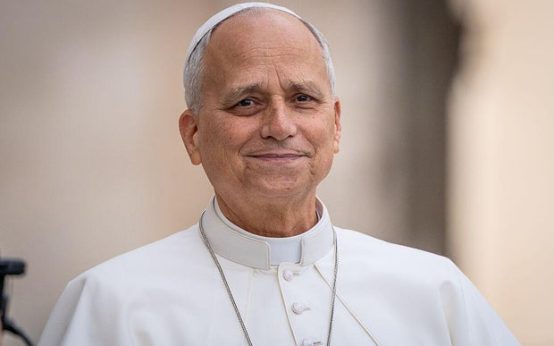 Pope Leo XIV Makes History by Voting in U.S. Election
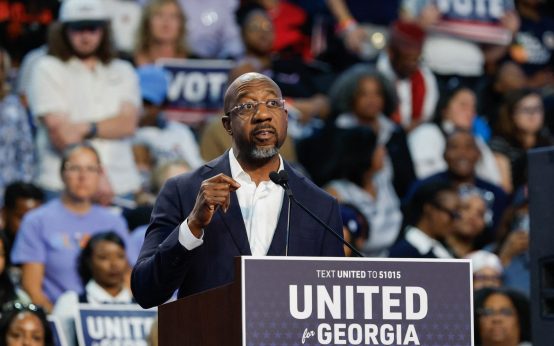 Political Dynamics in Georgia: Ossoff and Warnock’s Future
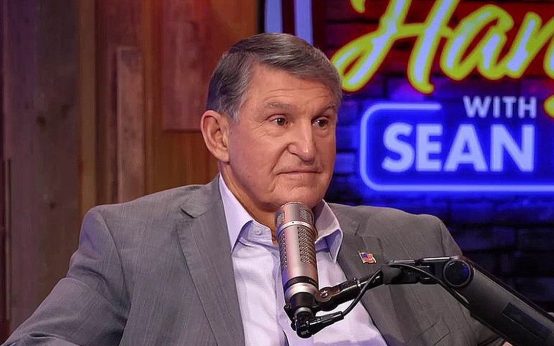 Joe Manchin Criticizes Political Extremes in Interview with Sean Hannity
 Alaska Senate Race Accusations: Peltola’s Alleged Scheme
 Missouri Redistricting Debacle: Consequences of Electoral Manipulation
 Judge Orders Trump Administration to Disclose States Targeted for Election Compliance