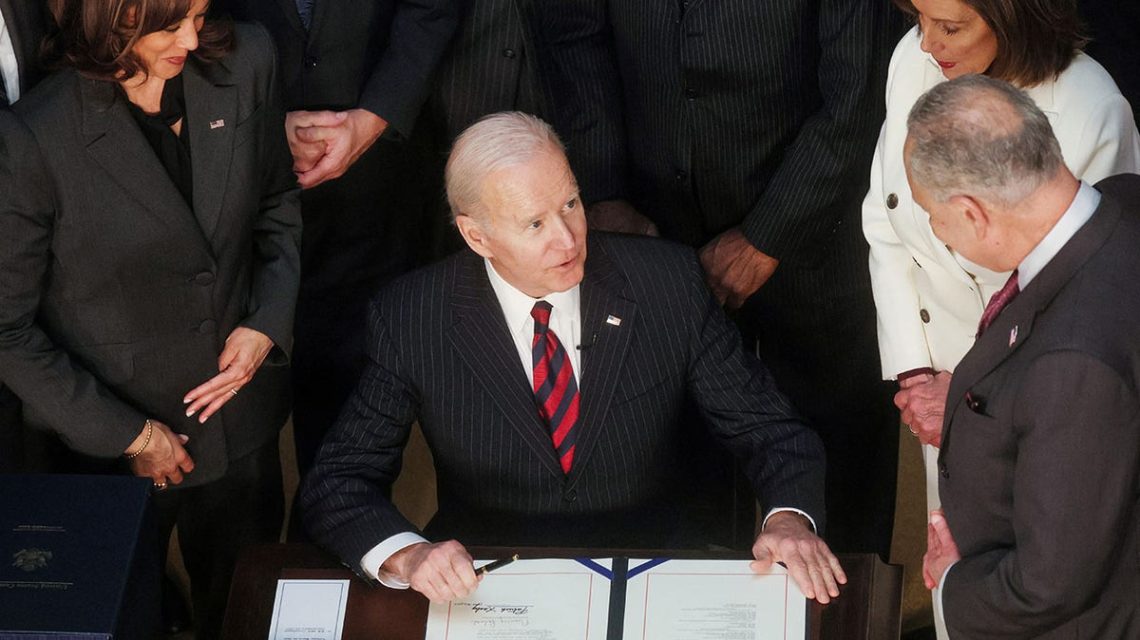
Justice Department (DOJ) officials faced confusion and errors when handling former President Joe Biden’s clemency grants. Issues arose as they tried to comprehend what certain decisions involved and corrected mistakes. Internal communications, obtained by Protect the Public’s Trust (PPT) through the Freedom of Information Act, showed discontent among former U.S. pardon attorneys, a federal judge, and other officials.
Uncertainty and Error in Clemency Decisions
In one notable instance, prosecutors were uncertain if Biden had commuted a separate 235-month sentence for a career offender involved in crack-cocaine trafficking. A deputy pardon attorney suggested the “most sensible reading” of the commutation. The commutations issued on January 17 had bypassed the usual DOJ pardon-office vetting process, lacking thorough review.
Another significant oversight involved Hunter Biden’s pardon. The Justice Department’s Office of the Pardon Attorney (OPA) was unprepared for the pardon and had to amend a notice that inaccurately stated Hunter Biden received a pardon “after completion of sentence.” Officials took several days to authenticate and communicate the pardon to the court.
Criticism from a Federal Judge
U.S. District Judge Daniel Hovland expressed concern after reviewing over a dozen North Dakota commutations. He noted that sentencing judges, prosecutors, and even victims were not consulted. He questioned the reasoning behind some pardons, indicating they did not align with his understanding of clemency as a tool for second chances.
“The process didn’t match the public sales pitch,” said former Virginia Attorney General Jason Miyares.
Lack of Proper Vetting
DOJ admitted that clemency officials did not conduct individual reviews for around 1,500 people whose sentences were commuted on December 12. Instead, clemency was granted as a group based on identification by the Bureau of Prisons (BOP) and DOJ of those serving sentences on home confinement under the CARES Act. While BOP assessed them, clemency officials did not review individual cases.
Furthermore, concerns within the DOJ emerged soon after the January 17 commutations. The Wall Street Journal reported that then-U.S. Pardon Attorney Liz Oyer noted that Biden’s actions were not done in consultation with the Office of the Pardon Attorney and coordination with the Department was minimal.
Confusion Over Hunter Biden’s Pardon
The emails also revealed confusion surrounding Hunter Biden’s pardon. OPA formally informed prosecutors that the pardon wasn’t processed through their office, and acknowledged being caught by surprise.
In December, a Senior Deputy Pardon Attorney admitted that an earlier communication incorrectly stated Hunter Biden’s pardon was “after completion of sentence,” apologizing for the error. When court concerns arose about the lack of authentication for Hunter Biden’s pardon, OPA took steps to resolve it.
By December 6, the issue was considered resolved, as noted by OPA officials.
Internal Feedback and Concerns
A DOJ official attributed errors in notifications and records to incomplete information provided by the White House. The situation forced department personnel to identify affected individuals under tight deadlines.
The DOJ pointed out that presidents, regardless of political affiliation, are not required to follow the traditional pardon office process when exercising constitutional clemency powers.
Former Pardon Attorney Margaret Love commented on the shift from the established process, stating that clemency recipients’ names did not follow the regular DOJ vetting procedure.
Public Objections and Internal Reactions
Judge Hovland publicly aired his objections to the commutations on December 12. Through internal emails, he questioned the lack of communication with prosecutors, victims, or sentencing judges.
After receiving complaints by email, DOJ did not respond to his request for an explanation. Despite public assurances from the Biden administration, the internal DOJ records suggest a notable gap between the public portrayal and the reality of the clemency process.
 Kushner’s Diplomatic Role and Travels Under Scrutiny
  Data Centers at Center Stage in Texas Senate Race
  Scrutiny on Senator Susan Collins Amid Husband’s Lobbying Ties
 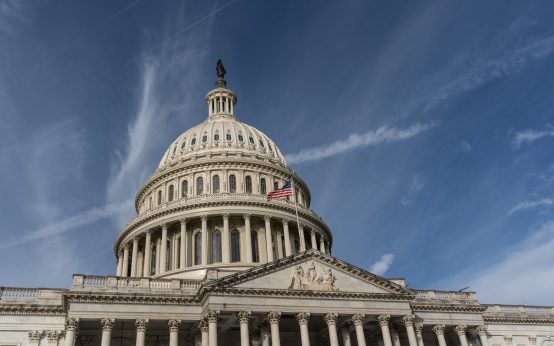 Democrats Gain Momentum in Key Senate Races Ahead of Midterms
 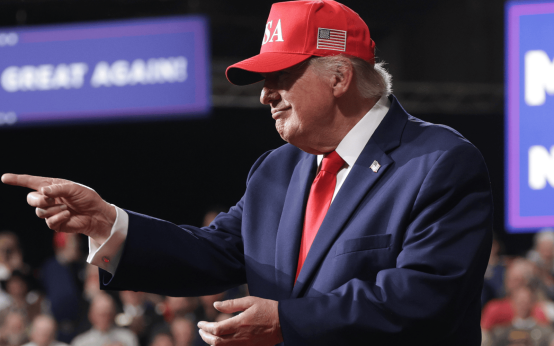 Republican Support for Trump Shows Decline Ahead of Midterms
  Republican Candidates Challenge Incumbents in Cook County’s MWRD Election