Reporting from Iran has always been challenging. The country often restricts international journalism, leaving much of the work to be completed remotely. This often involves conversations with contacts within the country, analysis of verified visual materials, and monitoring of social media posts.
This month marked a significant event as Abdi Latif Dahir, a Middle East correspondent, and photographer Emile Ducke, became the first journalists from The New York Times to visit Iran since the attack by the United States and Israel in late February. Accompanied by video department colleagues, they traveled from different continents to cover the funeral ceremonies of Ayatollah Ali Khamenei, Iran’s slain supreme leader.
To gain insight into how Dahir handled this assignment, conversations provided valuable details about his preparation and the challenges faced. Below are excerpts from the discussion.
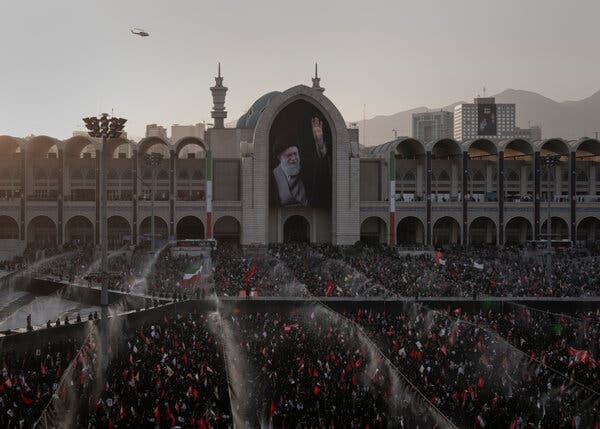
The images of mourners at the ceremonies were broadcast globally, showing immense crowds that impeded the funeral procession vehicles.
Abdi Latif Dahir: The funeral took place over several days in various cities. I attended four ceremonies, each progressively more crowded, emotional, and overwhelming. The most memorable was the procession concluding at Tehran’s Azadi Square. The intense heat and endless crowds made the scene remarkable.
The extraordinary turnout underscored the historical significance of the event. The chaotic yet deeply moving atmosphere was a testament to Ayatollah Ali Khamenei’s influence. He left a complex legacy, revered by millions but also remembered for repression, imprisonment, torture, executions, and exile. His passing evoked both deep admiration and profound pain among the populace.
 The Cost of Challenging Beijing
 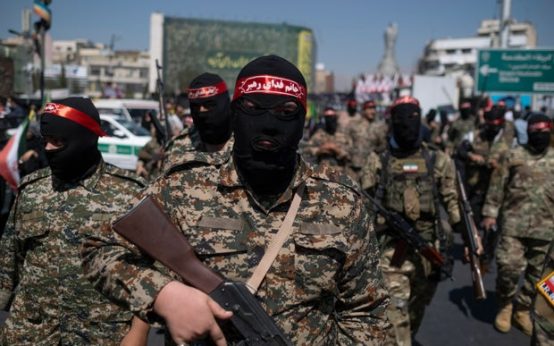 Tensions Escalate in Iran Conflict as Global Leaders Weigh Options
 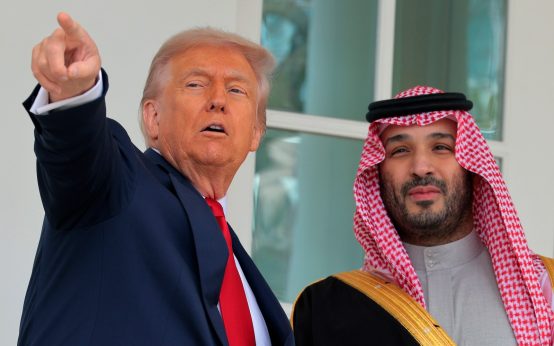 White House Approves F-35 Sales to Saudi Arabia Amidst Regional Tensions
  Inside the Secret Deals Powering the President’s Push to Deport Migrants to Countries Not Their Own
  Navigating the Challenges of Third-Country Deportations
 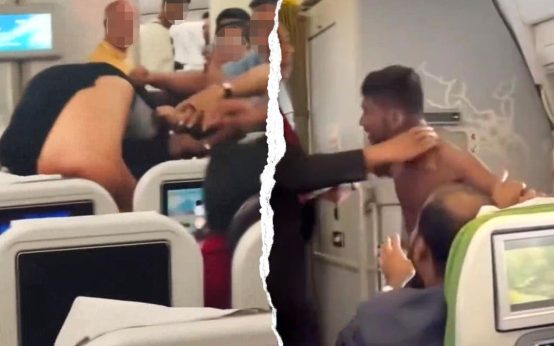 Midair Altercation on Bangladesh to London Flight