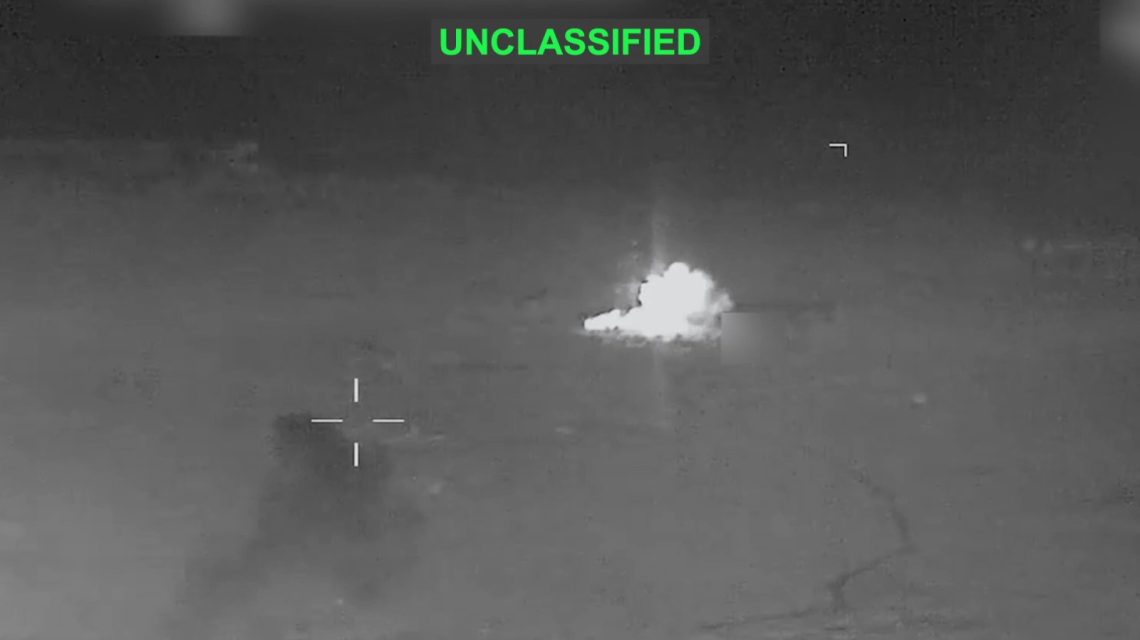
The recent surge of tensions in the conflict between the U.S. and Israel against Iran has prompted President Donald Trump to reconsider a memorandum of understanding (MoU) initially formed to promote peace with Iran.
The MoU showed initial promise by easing some immediate U.S.-Iran tensions. It lifted blockades of the crucial Strait of Hormuz, a key energy trade route, and extended a ceasefire announced on April 7, six weeks into the conflict. However, core issues remain unresolved, as trust deteriorates and both sides dispute the agreement’s terms.
Naysan Rafati, Iran senior analyst at the International Crisis Group, said, “The MoU deferred some of the most contentious issues between the U.S. and Iran—including the nuclear file—while prioritizing an easing of economic disruption.”
The memorandum’s partial resolution approach risks conflicting interpretations and potential failures at various points, Rafati notes.
Historical Context of the JCPOA
The U.S. administration’s attempt at securing a deal with Iran has drawn parallels to the Joint Comprehensive Plan of Action (JCPOA), a nuclear agreement negotiated by former President Barack Obama in July 2015. The JCPOA lifted sanctions on Tehran in return for limits on its nuclear program, but Trump ended the agreement in May 2018 during his first term.
As the JCPOA’s 11th anniversary approaches, the MoU’s future appears uncertain. Unlike the MoU, the JCPOA was a complex, focused agreement with backing from major powers like China, France, Germany, Russia, and the United Kingdom. It aimed to address nuclear proliferation by trading sanctions relief for restrictions.
Rafati stated, “It took years of intense negotiations to complete, underscoring the challenge in striking a broader understanding that not only addresses proliferation concerns but also covers regional issues.”
The JCPOA faced opposition from Israel, while Persian Gulf states, initially skeptical of the agreement, now support a new accord due to direct Iranian attacks.
The Struggle for Resolution
Iranian analysts have often questioned U.S. commitments, yet some saw the MoU as a sign of Iran’s negotiation strength amid existential threats. However, the MoU’s lack of clarity proved problematic, with disputes over crucial matters such as releasing frozen Iranian assets, ceasefires with Iran-aligned Hezbollah, control over the Strait of Hormuz, and U.S. military withdrawal.
This resulted in continued clashes, including a recent incident involving three tanker attacks in the Strait of Hormuz, attributed to unauthorized routes. After U.S. strikes reportedly targeted over 80 military sites, Iran retaliated by aiming at 85 U.S. facilities.
Amid these developments, Trump threatened further actions, signaling more military aggression.
Future Prospects and Challenges
The path to a decisive U.S. victory remains unclear. Trump acknowledged he did not foresee a prolonged conflict, considering its potential impact on Republicans in the midterm elections. Initial victories, like the killing of Supreme Leader Ayatollah Ali Khamenei, were offset by the enduring challenge posed by Iran’s entrenched power.
These challenges highlighted the need for the MoU to secure strategic goals, given that military success alone proved insufficient. The U.S. aimed to reopen maritime traffic through the Strait of Hormuz, understanding the strategic mistake in initiating war with Iran.
In the weeks since the MoU’s signing, little progress has been made, and hopes for a lasting peace are diminishing.
Alan Eyre, a former U.S. State Department official, stated, “The U.S. goals are to cut its losses and restore maritime traffic near pre-war levels, while Iran seeks to re-establish deterrence by controlling the Strait of Hormuz.”
A nuclear agreement between Iran and the U.S. remains highly improbable.
 ICE Agent Shoots Civilian in Austin: Investigation Underway
  Sunday Sports Recap and Weekend Adventures
  Fatal Car Crash in Irvine Claims Two Lives, Including Car Show Co-Founder
 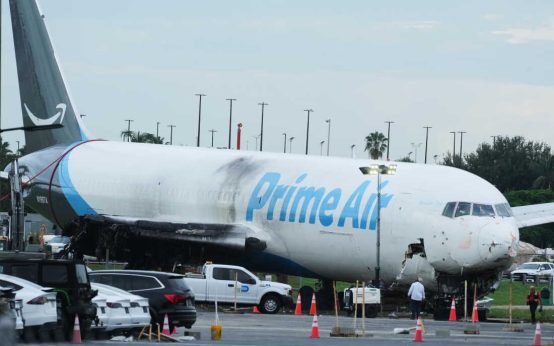 Amazon Suspends Partnership with 21 Air Following Miami Cargo Plane Accident
 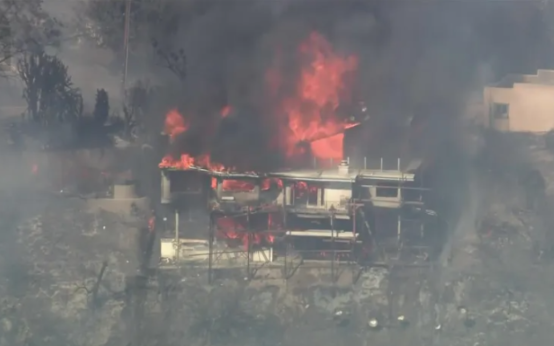 Brush Fire Prompts Evacuations in La Habra Heights
  Lawmakers Challenge NFL Streaming Costs and Scheduling