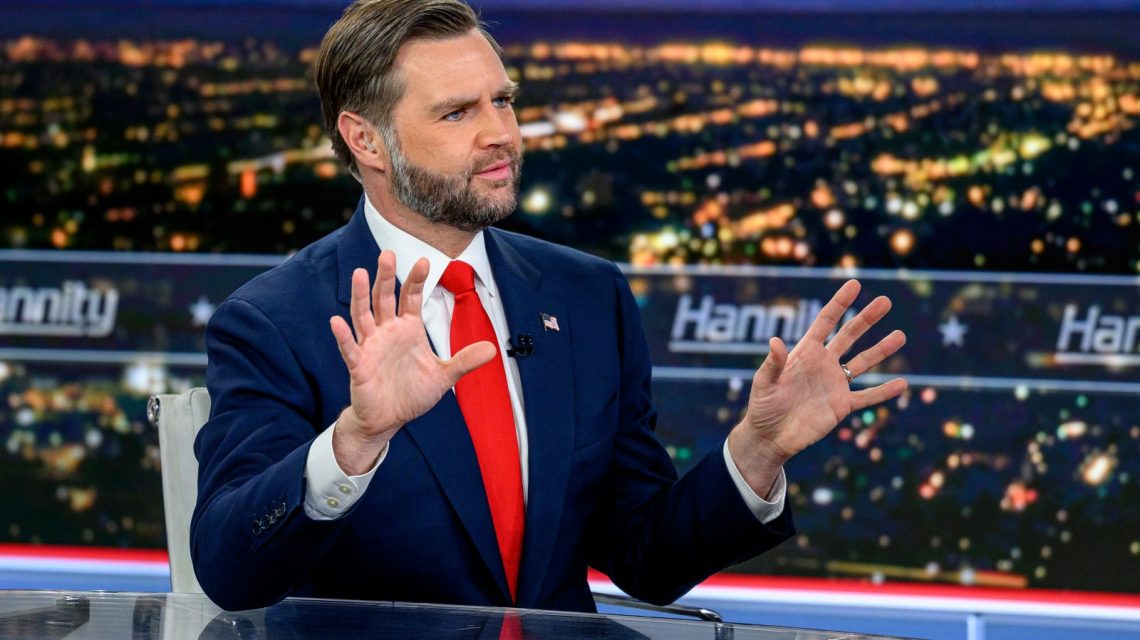
Vice President JD Vance recently stated that Tehran has agreed to eliminate its highly enriched uranium as part of efforts to end the Iran War. However, challenges remain in verifiably neutralizing the proliferation risk posed by the material that can lead to nuclear weapons. President Donald Trump highlighted a memorandum of understanding (MOU) potentially reopening the Strait of Hormuz, which Iran currently blocks. This MOU outlines a 60-day negotiation period, including discussions on Iran’s nuclear program.
Differing interpretations of the agreement have emerged between U.S. and Iranian sources. The full text is expected this week. The conflict began on February 28 with U.S. and Israeli strikes on Iran. On Monday, Vance told Fox News that Iran has agreed to eliminate its enriched uranium stockpile, aligning with Trump’s and Israel’s goal to prevent an Iranian nuclear weapon. He emphasized that Iran must comply with the stockpile elimination to receive any deal benefits.
The Arms Control Association (ACA), a nongovernmental organization, stressed the importance of not missing this diplomatic opportunity. However, several Israeli politicians and media outlets reacted negatively, citing concerns about insufficient deal details and concessions to Tehran. Brig. Gen. Yossi Kuperwasser, from the Jerusalem Institute for Strategy and Security (JISS), expressed disappointment with the lack of Israeli involvement in the deal. He noted that Israel had set red lines, including halting Iran’s uranium enrichment.
Neutralizing Iran’s Highly Enriched Uranium
Iran holds a 970-pound stockpile of highly enriched uranium (HEU) enriched to 60 percent. This stockpile, largely intact but in underground storage, remains following Israeli and U.S. strikes. The International Atomic Energy Agency (IAEA) reported that Iran has not disclosed details about its nuclear sites or related material, including HEU.
Experts, including the ACA, suggest that excavating and diluting the HEU under IAEA supervision could effectively neutralize it. While U.S. and Israeli strikes impacted Iran’s nuclear program, they did not eliminate its capability to build a nuclear bomb. Reducing the HEU to below 5 percent under IAEA oversight would mitigate immediate proliferation risks. Options include shipping the material to an international fuel bank in Kazakhstan, selling, or storing it under IAEA supervision.
A U.S. official suggested that a final deal might involve a long-term suspension of Iran’s uranium enrichment, indicating a shift from Trump’s previous stance of permanent cessation. A verifiable suspension on enrichment backed by HEU dilution could prevent Tehran from developing a nuclear weapon swiftly.
‘Prospect of a Nuclear Iran Off the Table for a Generation’
The ACA recommends further measures like halting centrifuge research and production and capping uranium mining. Iran might need to justify any future enrichment efforts and face stricter IAEA monitoring. Resetting diplomatic ties could encourage Iran to explore less risky nuclear options.
The ACA stressed Iran’s irreversible knowledge about the uranium fuel cycle since the U.S. exited the 2015 nuclear deal (JCPOA). A new agreement must link nuclear program curbs with sanctions relief and have UN Security Council backing to be effective.
Kupperwasser expressed concern over perceived neglect by U.S. allies. Justin Logan of the Cato Institute argued that an agreement could have been reached without war, indicating the conflict’s potential avoidability.
What Has the IAEA Said?
In its report on Iran’s nuclear program amidst the conflict, the IAEA informed U.N. member states that there were no major changes in its assessment. The IAEA urged Iran to clarify the status of enriched uranium stockpiles. It emphasized the critical nature of implementing the Non-Proliferation Treaty Safeguards Agreement without suspension. IAEA chief Rafael Grossi stressed the importance of re-engaging with Iran to advance these discussions.
 Google Fined for Breaching EU Privacy Rules
  South China Sea Tensions Rise after Collision between Chinese and Philippine Ships
 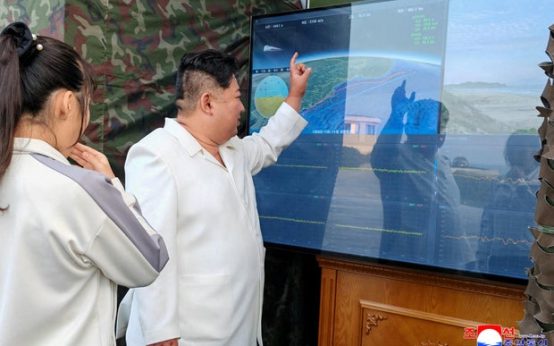 North Korea’s Hypersonic Weapon Test Amid Global Tensions
  Austin Tice: A Search for Answers
 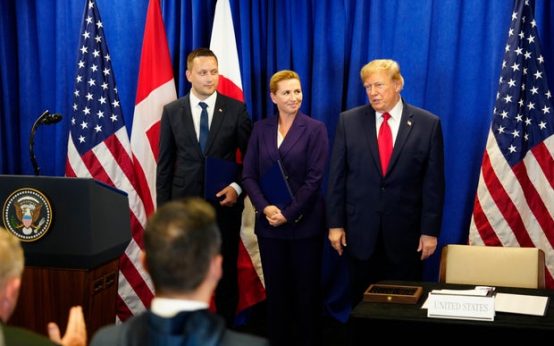 U.S., Denmark, and Greenland Forge New Security Agreement
 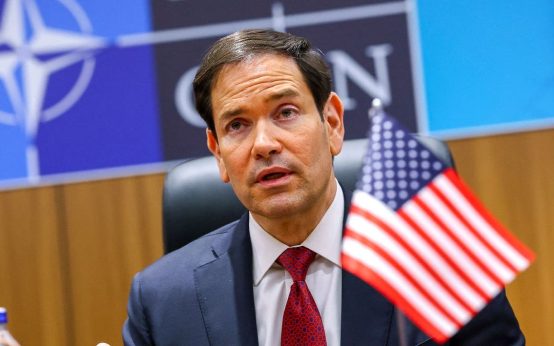 Secretary Rubio Discusses Middle East Conflict and NATO Relations