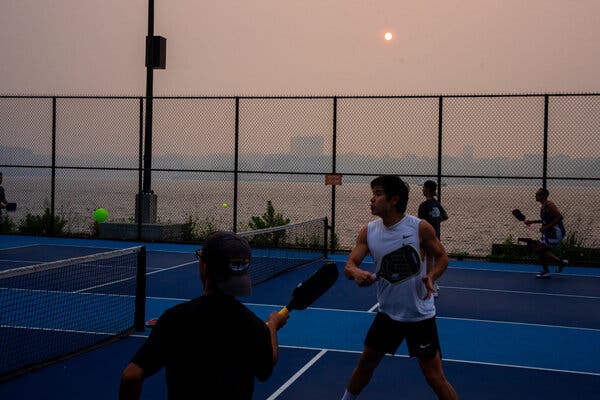
Wildfire smoke over Manhattan earlier this week prompted concerns about its impact on local activities. While the haze seemed to dissipate by Friday morning, it remains possible for smoke conditions to deteriorate due to changing weather patterns.
Forecasting the behavior of wildfire smoke is notoriously complex. Even with advanced computer models, rapidly shifting conditions pose difficulties in making accurate predictions. Meteorologists must consider several factors including smoke characteristics, active fires, atmospheric winds, and thunderstorms. Each of these elements can affect forecasts unpredictably.
Some days offer predictable conditions where each factor can be anticipated. However, there are times when all elements exhibit chaotic behavior, complicating efforts to forecast their interactions. This weekend presents such a challenge.
The persistent weather pattern that has transported smoke across Canada and the United States appears to be changing. This shift, beginning on Friday, introduces additional uncertainty in smoke predictions for the next few days.
Predicting Wildfire Intensity
Determining the amount of smoke produced by wildfires is a major challenge. Smoke concentrations were significantly thicker this past Tuesday. The preceding weather conditions favored intense wildfires capable of generating their own localized climate effects, resulting in dense smoke clouds.
Meteorologists continue to work on improving forecasts to better capture these dynamic conditions and inform communities about potential smoke impacts.
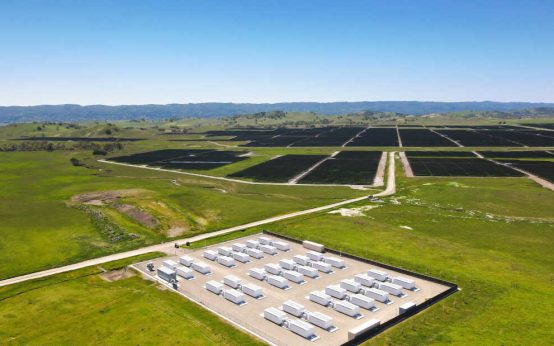 How Battery Innovations Transform Renewable Energy
  Data Centers Stir Controversy in Texas Amid Growth Boom
 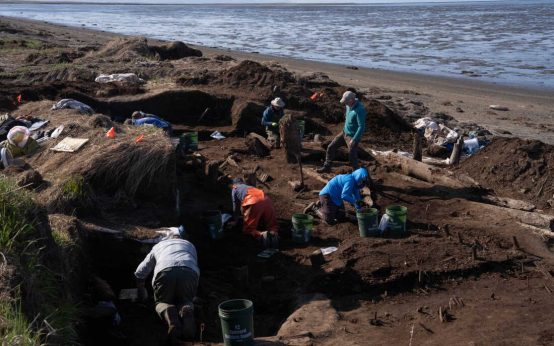 Urgent Archaeological Efforts in Quinhagak Stay Ahead of Erosion
 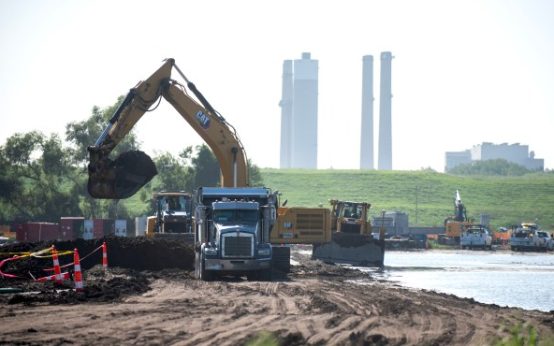 Concerns Rise Over NIPSCO Permit In Jasper County
  Reader Reactions on Grizzlies and Data Centers
  Managing the Crisis of Drying Rivers