
During a week in Brussels and Strasbourg, discussions with European officials and leaders highlighted key challenges in energy and climate policy. The meetings revealed concerns about the current state of U.S.-Europe relations and how they have been affected by recent U.S. policies.
Impact of Recent U.S. Policies
U.S. standing with Europe has faced challenges due to the Trump administration. The trust between the U.S. and European allies has eroded significantly. Areas of common interest remain, including strong rule of law and post-World War II institutions. However, shared issues such as labor disruptions from AI, China’s rise, climate refugees, and political instability are pressing.
Comparisons and Consequences
U.S. decisions, including actions in Iran and tariff policies, affect European perceptions. Discussions noted the acceleration of electric vehicle deployment in Europe as a reaction to U.S. policies. NATO’s single-fuel policy faces strain from diverging national energy strategies. There is a common call for unity against Russian influence, highlighting concerns about U.S. reliability as an ally.
European Response and Future Directions
Europe’s pivot towards China is evident. Favorable relations with China may increase their electric vehicle exports to Europe. While a stronger Europe aligns with U.S. interests, the continuation of alliance is uncertain. A world where allies act in isolation could threaten global peace, a lesson from World War I.
Efforts to Rebuild Trust
U.S. political changes could influence European perceptions. Democratic victories could reassure European allies, yet they are aware of Republican opposition to supporting Ukraine. Future U.S. support shouldn’t hinge on party leadership. Robust multilateral institutions need strengthening to ensure global accountability.
Reforms must enhance independence of international bodies. For example, holding the U.S. accountable in spaces like the WTO is crucial. Overhauling multilateral institutions is necessary to prevent future authoritarian influence and protect global stability.
Conclusion
Achieving this goal is challenging. American historical instances show a resistance to accountability. However, the importance of U.S. leadership in international cooperation remains key. Attempts to strengthen institutional frameworks must continue to secure global peace and progress.
Sean Casten represents the 6th Congressional District of Illinois in the U.S. House of Representatives.
 The Cost of Challenging Beijing
  Analyzing Midterm Elections and Party Dynamics
 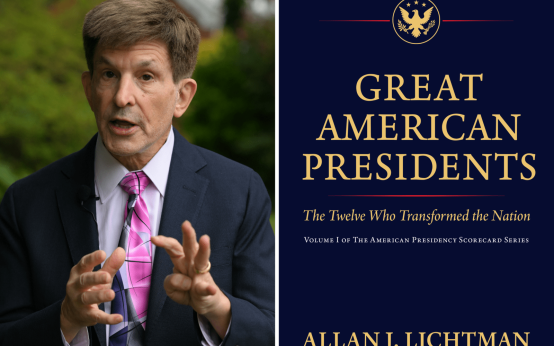 Allan Lichtman’s Framework for Assessing Presidential Greatness
  Tensions Escalate in Iran Conflict as Global Leaders Weigh Options
  Florida Senate Race Tightens as Recent Polls Show Dead Heat
  Ethics Complaint Targets Colorado Representative Lauren Boebert