
Back in January 2025, the Arizona State Sun Devils achieved an unexpected success in the College Football Playoff. This was a remarkable turnaround merely two years after the problematic Herm Edwards era. Head Coach Kenny Dillingham played a pivotal role in guiding the team through challenging NCAA sanctions. Under his leadership, the team moved from a three-win season to clinching the Big 12 championship. Notable players like Cam Skattebo and Jordyn Tyson contributed significantly, helping the team edge toward a historic playoff win against Texas.
Fast forward two years, and Arizona State has a 2-2 record, struggling with an ineffective offense after a tough loss to Baylor. This setback illustrates the volatility often seen in college football. Less than a year after Arizona State’s playoff appearance, other coaches were also rising to prominence across the country.
Jedd Fisch took over at Washington in 2024, inheriting a program that had recently vied for a national championship. Despite nearly complete roster turnover, he led the team to a 6-7 record, followed by a nine-win season and a bowl victory over Boise State. Quarterback Demond Williams emerged as a standout player during this period.
Meanwhile, in Georgia, Brent Key was revitalizing Georgia Tech with an innovative offense and quarterback Haynes King, a potential Heisman contender. The team achieved a top-seven ranking in the AP Poll, the highest in nearly two decades, and concluded the season ranked for the first time since 2014.
Three programs that once shone now mirror their past, unable to sustain success season after season. Such fluctuation is common in teams without substantial resources for consistent performance.
Programs with strong infrastructure and talent resources, like Ohio State and Texas, maintain consistent excellence. Teams like Washington, Georgia Tech, and Arizona State must seize narrow opportunities to excel. Their coaches also face similar time constraints for advancing to larger programs.
During the peak of their achievements, Dillingham, Fisch, and Key were linked to major job prospects in college football. Dillingham was considered for both Florida State and Michigan, while Fisch was a candidate for his alma mater, Florida. Despite their potential mobility, they chose to remain with their current teams, perhaps due to personal ties or differing career priorities.
Yet, questions linger on whether these coaches missed their chance to advance. If their teams conclude with losing records, calls from higher-tier programs may dwindle. Dillingham has previously expressed concerns about Arizona State’s funding, while Fisch seems open to the Florida opportunity under favorable conditions.
The future for coaches at mid-tier Power 4 programs remains uncertain. Success stories exist, like Matt Campbell, who initially stayed with Iowa State before joining Penn State. Timing and decisions can greatly influence career trajectories, as reflected by the impatience of hiring athletic directors in the college football landscape.
The potential paths for Kenny Dillingham, Brent Key, and Jedd Fisch during the following year remain intriguing. They may secure premier positions in Tallahassee, Los Angeles, or Norman, or face challenges typical of the fast-paced environment of college football.
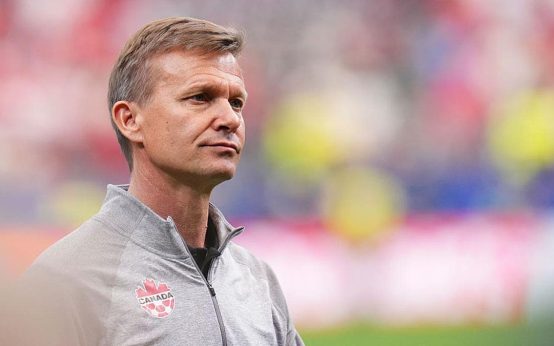 Jesse Marsch: From U.S. Soccer to Canadian National Team
 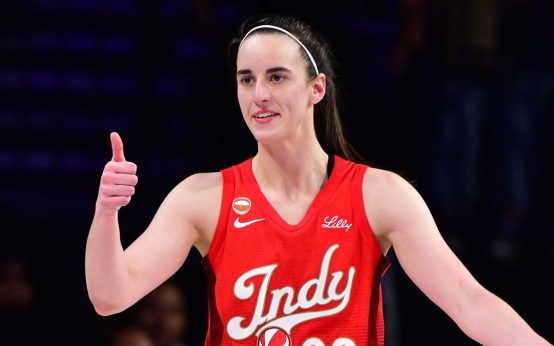 Indiana Fever’s Playoff Run Highlights Caitlin Clark’s Impact on WNBA Ratings
  Dodgers vs. Braves NLDS Game 3 Updates and Insights
  Tatjana Genrich Embarks on Professional Boxing Career
 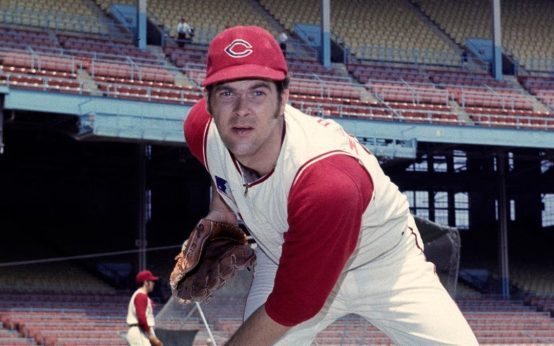 Sam McDowell: A Baseball Legend’s Triumph Over Adversity
 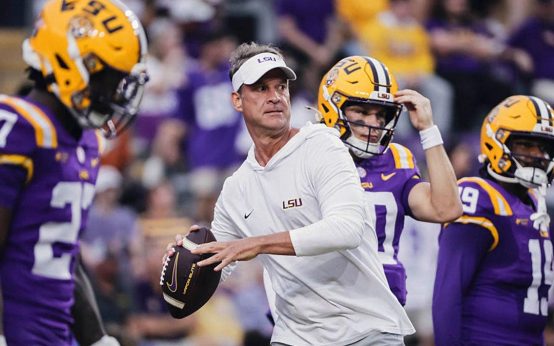 Is Lane Kiffin Overhyped?