
The Colorado River’s diversion has significant environmental consequences, particularly for the southwestern United States. This action is linked to rising greenhouse gas emissions and increased arid conditions in the region. As a result, decision-makers are pushing to expedite the diversion process.
The U.S. Bureau of Reclamation should reconsider its strategies, focusing instead on scientific evidence,
suggests Colorado Newsline. This organization provides independent online news and was established in 2020. As debates and potential legal battles over the Colorado River grow, informed decision-making becomes vital.
A recent photograph of the Glen Canyon Dam, taken on March 27, 2026, starkly illustrates the situation. Originally full around the year 2000, the reservoir now holds only a quarter of its total capacity.
Addressing this issue requires innovative and science-based solutions to manage water resources effectively and mitigate environmental impacts. Stakeholders need to reconsider plans and approaches in light of evolving climate science.
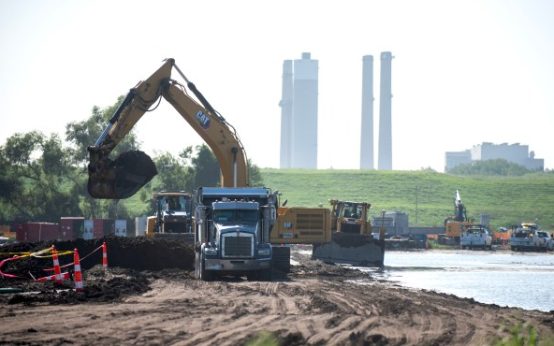 EPA Dismantles Greenhouse Gas Rules, Causing Concern
 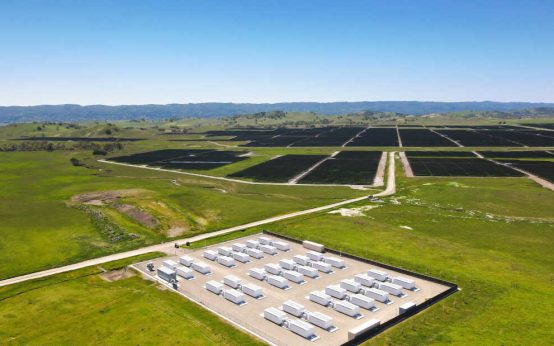 How Battery Innovations Transform Renewable Energy
  Data Centers Stir Controversy in Texas Amid Growth Boom
 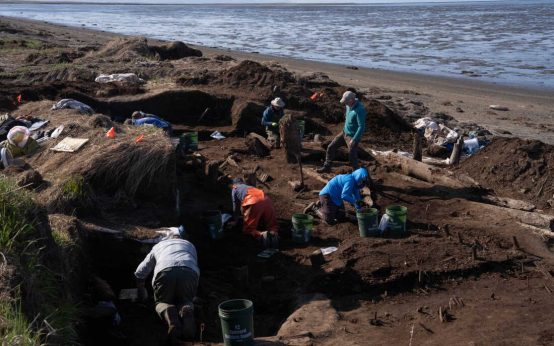 Urgent Archaeological Efforts in Quinhagak Stay Ahead of Erosion
 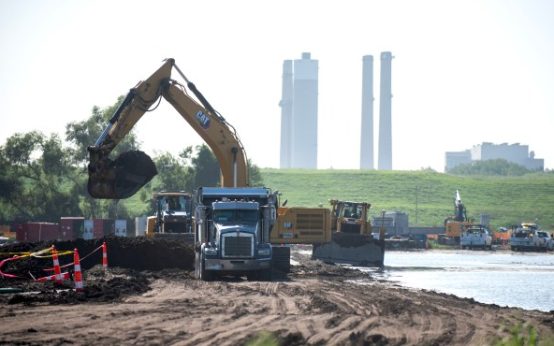 Concerns Rise Over NIPSCO Permit In Jasper County
  Reader Reactions on Grizzlies and Data Centers