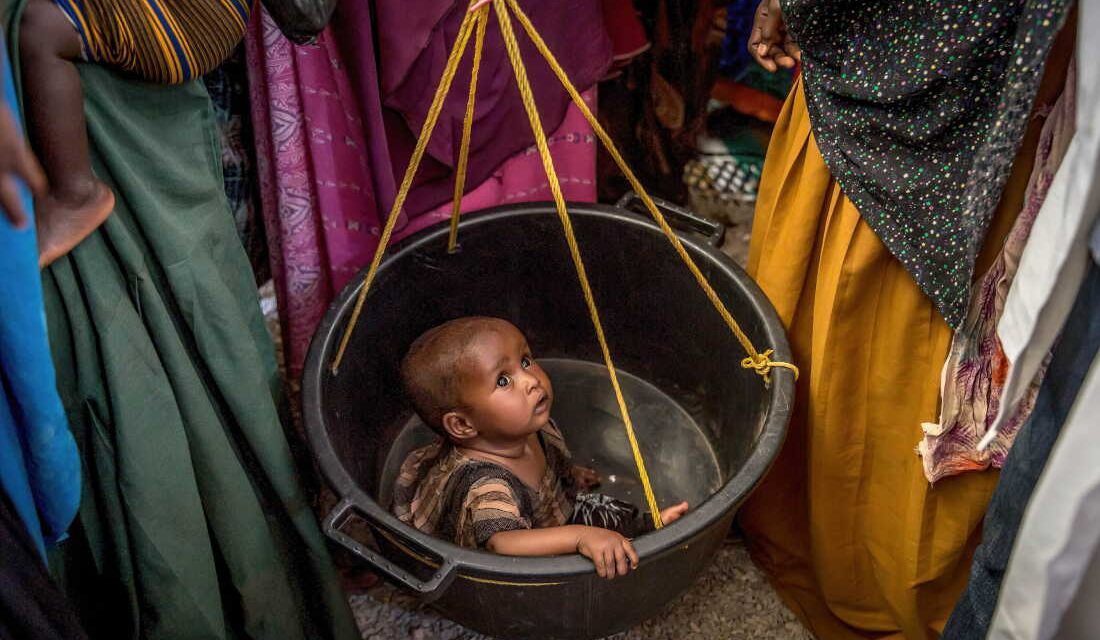
In Baidoa, Somalia, a child undergoes screening for malnutrition at a local health clinic. The region grapples with drought and concerns about looming famine. Recently, the famine warning system known as FEWS NET faced interruptions, attracting significant attention.
The Role of FEWS NET
FEWS NET is a well-regarded U.S. system that helps identify areas at risk of famine. Humanitarian organizations rely on it to prepare and allocate resources effectively. However, its online platform, which provided detailed hunger maps, recently displayed a notice stating the data was “currently unavailable.”
This system, designed over 40 years ago, integrates crop reports, market data, and satellite images to forecast crises. These predictions allow governments and aid groups to mobilize resources and avert famines. As of late, the system has been struggling with updates in areas like Somalia, Afghanistan, and Yemen.
Recent Challenges
In August, Jeremy Konyndyk, former USAID official, discovered missing data for Somalia while traveling. Despite severe food insecurity affecting 6.5 million people, updates were lacking after July. The absence of information extended to regular publications like “Peak Food Assistance Needs Outlook Brief.” These issues arose amid a U.S. aid reduction under the Trump administration, affecting Somalia, Afghanistan, and Yemen.
“Somalia is likely the most frequently reported-on country by FEWS NET,” Konyndyk remarked, emphasizing the critical need for reliable data.
Organizations such as the Rockefeller Foundation, and former USAID officials, criticized the disruption in reporting. The State Department’s statement implied that FEWS NET’s focus fluctuates based on varying needs and priorities.
Steps Toward Resolution
The State Department later announced that FEWS NET would resume reporting on the affected countries by September. The agency affirmed evaluating programs to align with foreign policy priorities effectively.
This isn’t the first instance of FEWS NET facing operational challenges. Funded by USAID and managed by private contractors, the service faced suspensions previously during Trump’s tenure. Specific regional reports have also experienced disruptions, like the absence of FEWS NET updates on Gaza since last fall.
Wider Implications
The importance of FEWS NET became even more apparent with Somalia’s current food crisis. Around one-third of Somalis endure acute food insecurity. A survey noted that half of the young children in Baidoa camps show signs of malnutrition. Aid organizations, such as Doctors Without Borders, have intervened, treating thousands for malnutrition during a short span.
Persistent drought and missed rain seasons led to an increase in refugees, intensifying food scarcity. Aid efforts, previously strengthened by substantial U.S. funding, face hurdles after recent freezes in aid. Funding cuts have forced vital feeding clinics for malnourished children to shut down.
Importance of Accurate Data
FEWS NET’s analyses are considered crucial. Aid specialists rely on them for targeting and timely intervention. Colin Thomas-Jensen from the Aurora Humanitarian Initiative highlighted the public good the data represents, noting its rigorous nature and crucial role in logistical planning.
Other data sources like the Integrated Food Security Phase Classification and HungerMap exist, yet FEWS NET’s credibility remains highly valued due to its precise indicators.
 Experts Warn Against Alarmism in AI Governance
  Ice Age Mastodon Tooth Unearthed in California Creek
  AI and the Changing Nature of Google Searches
  The Unique Challenges of the Pumpkin Toadlet
  Data Centers Stir Controversy in Texas Amid Growth Boom
  The Technology Rivalry: Trump’s Meeting with Xi and the AI Ecosystem Clash