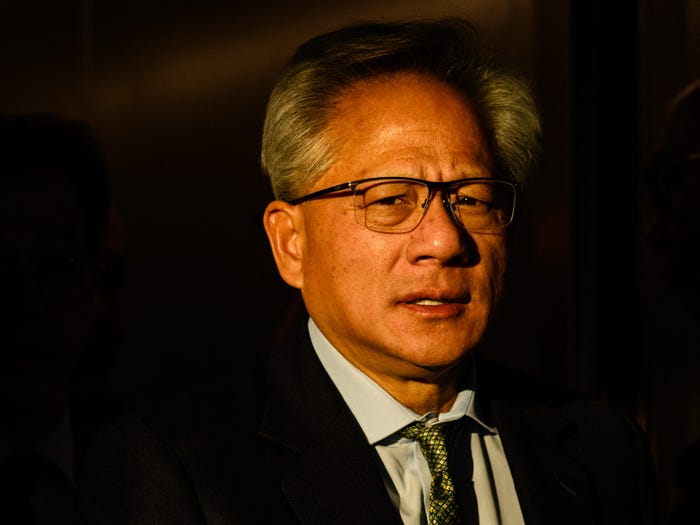
Nvidia’s leadership future is uncertain as CEO Jensen Huang faces personal and professional challenges. Although Huang aims to stay in his role, recent events have sparked discussions about possible successors.
Huang, who owns 3.6% of Nvidia, may influence the decision unless serious issues arise from the ongoing investigation. He is known for his technical prowess and strategic insights, which are hard to duplicate.
Who Could Succeed Jensen Huang?
Experts and former employees consider several candidates:
- Ian Buck: Known for his engineering background, Buck helped develop CUDA, a key component of Nvidia’s AI success. He currently leads Nvidia’s data center segment.
- Colette Kress: Currently CFO, Kress has been with Nvidia for 13 years. Her experience in finance at Cisco and Microsoft adds to her credentials. However, her non-engineering background could be a limitation.
- Madison Huang: Jensen Huang’s daughter and senior director of product marketing for physical AI, she has been taking on more responsibilities within the company.
Analyst Gil Luria notes Kress as a potential interim CEO if needed. Yet, an internal candidate familiar with Nvidia’s unique culture might be preferable.
Considering External Candidates
Some suggest looking outside Nvidia. Leaders like Thomas Kurian from Google Cloud and Matt Garman from Amazon Web Services are possibilities. They manage large AI-focused cloud businesses and have strong industry ties.
“I think losing Huang now could be disastrous for Nvidia,” said Brad Gastwirth, head of research at Circular Technology.
Nvidia would continue, but maintaining innovation and execution without Huang would be challenging, according to industry analysts.
 Nvidia’s CEO and Alleged Spy Involvement
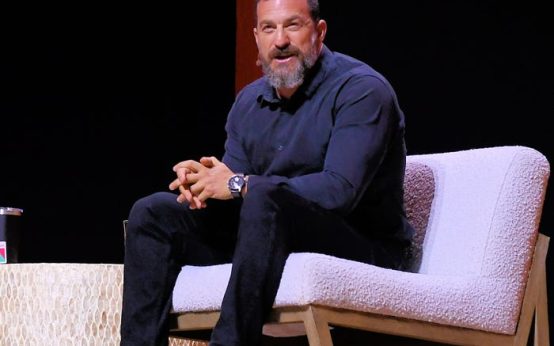 Andrew Huberman Joins Hims & Hers Board to Guide Consumer-Health Strategy
 Gwyneth Paltrow Launches ‘The goop Guide’ Podcast on Spotify and Netflix
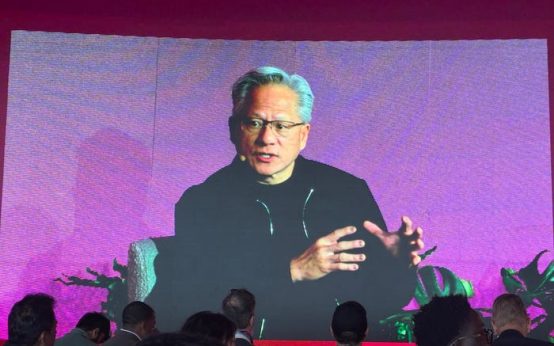 Jensen Huang’s Affair, AI Market Impact, and Future Considerations
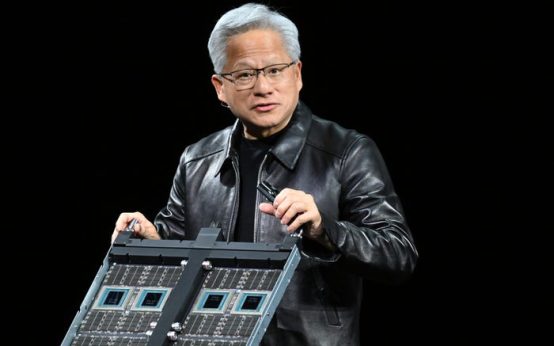 Nvidia CEO Jensen Huang’s Scandal and Investigation: A Detailed Timeline
 Nvidia CEO’s Controversial Ties and the Role of Culper Research